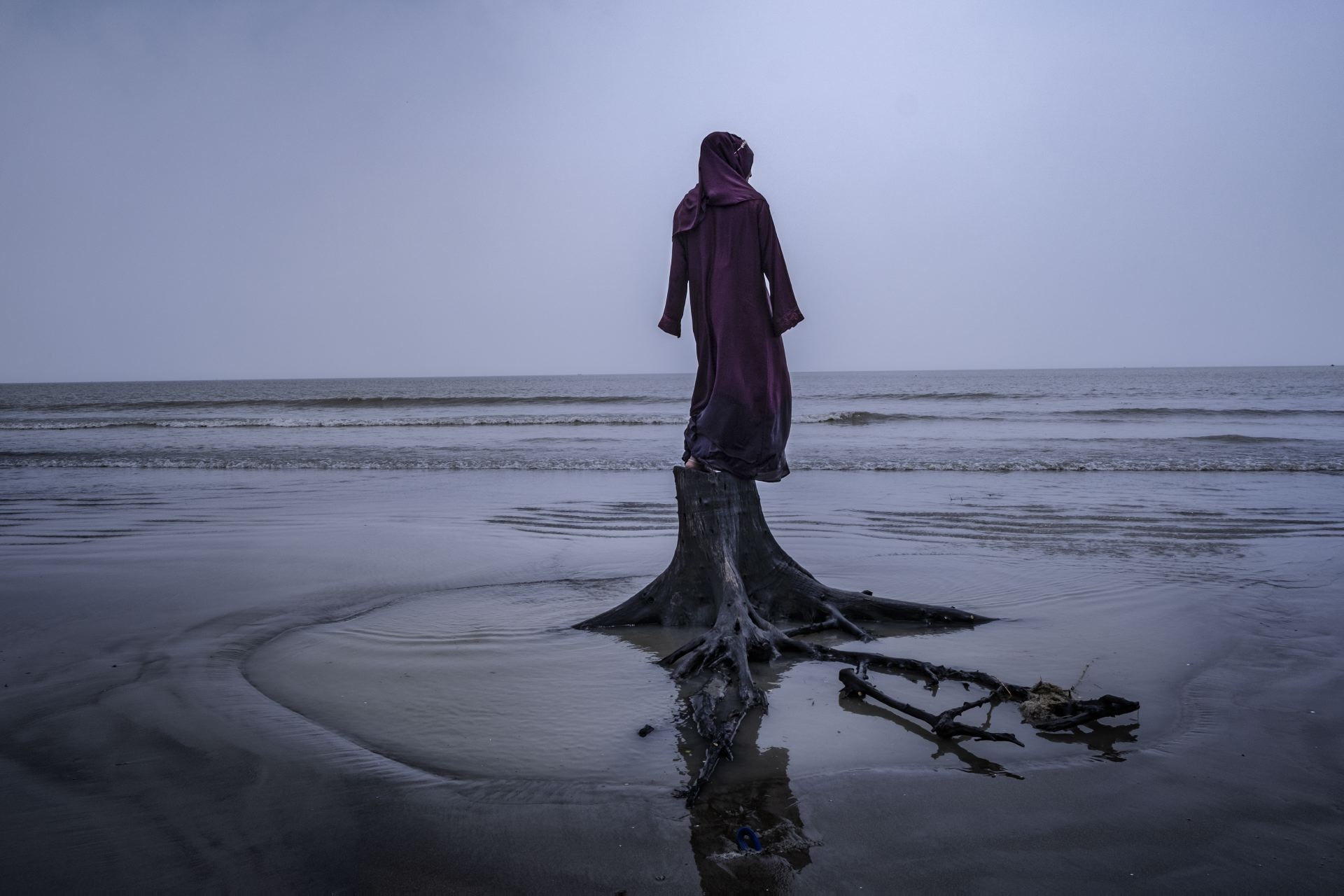
Climate Injustice
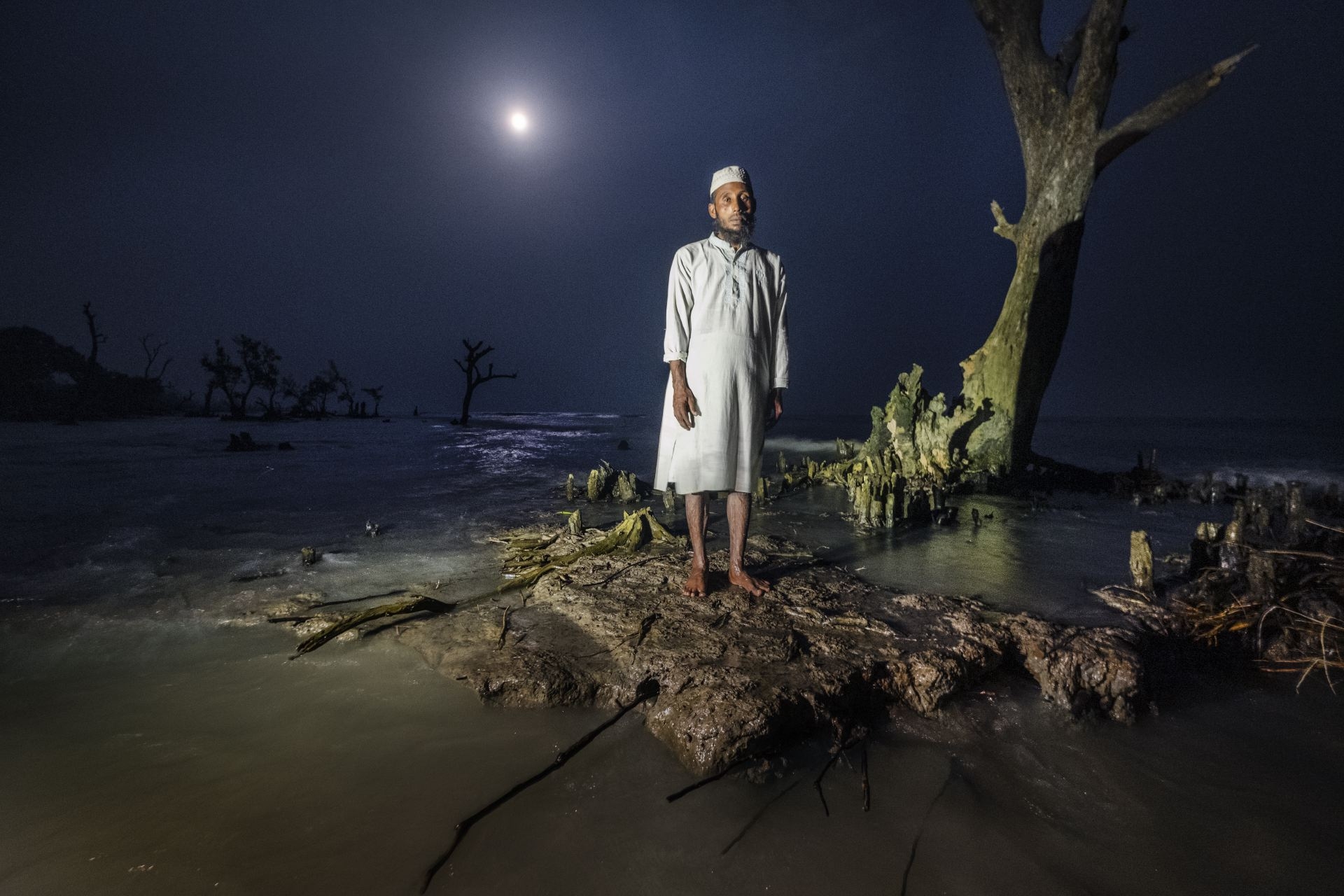
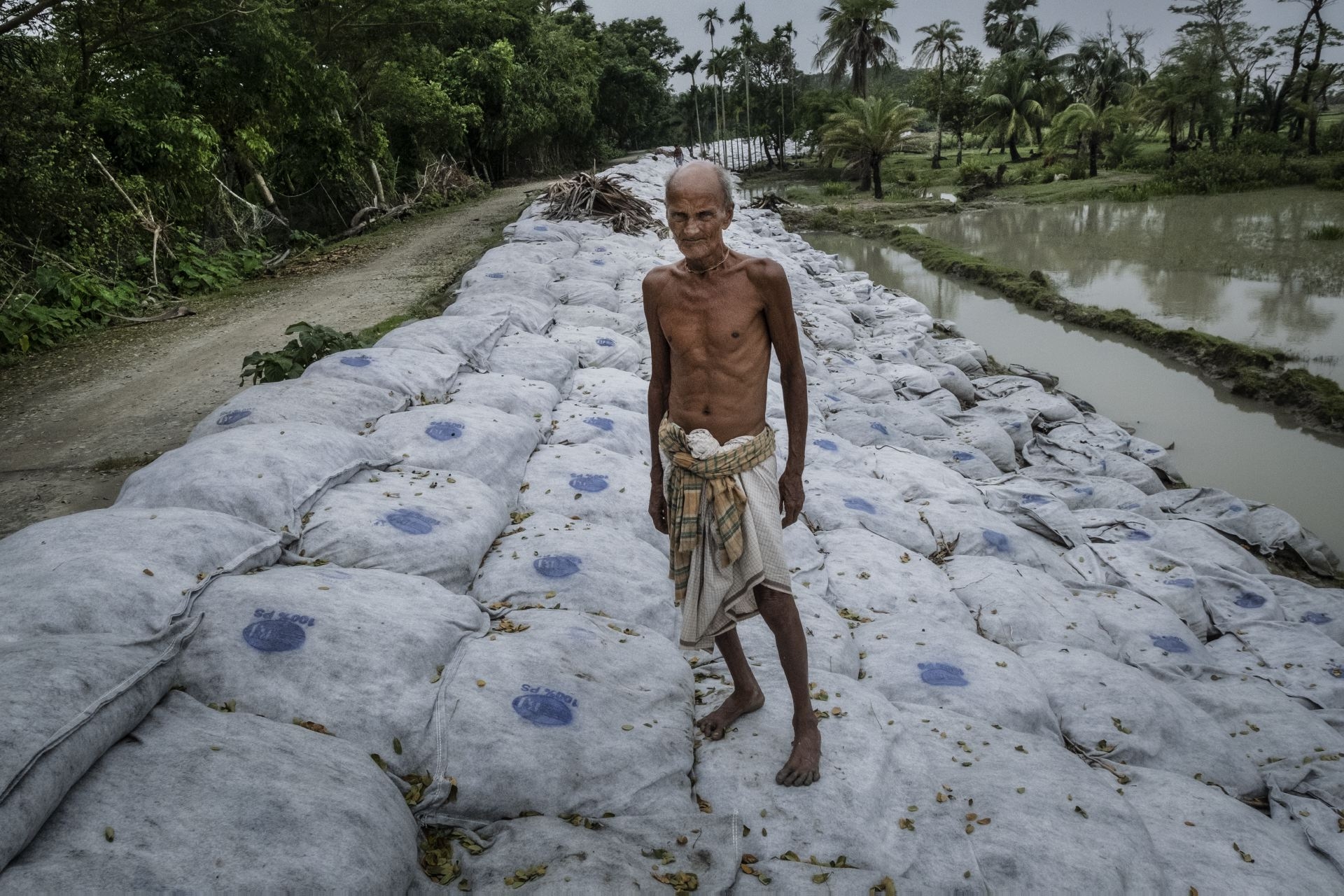
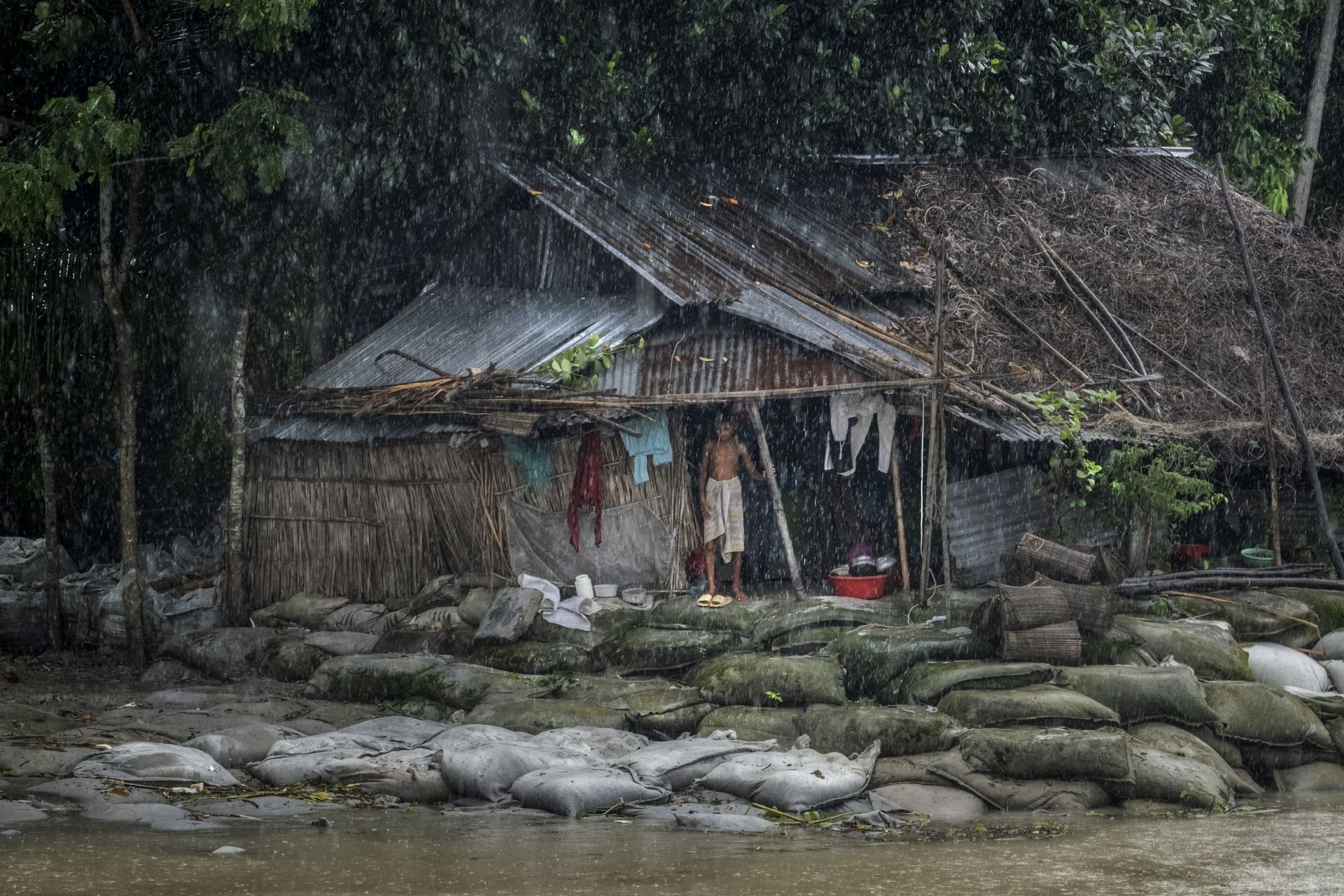
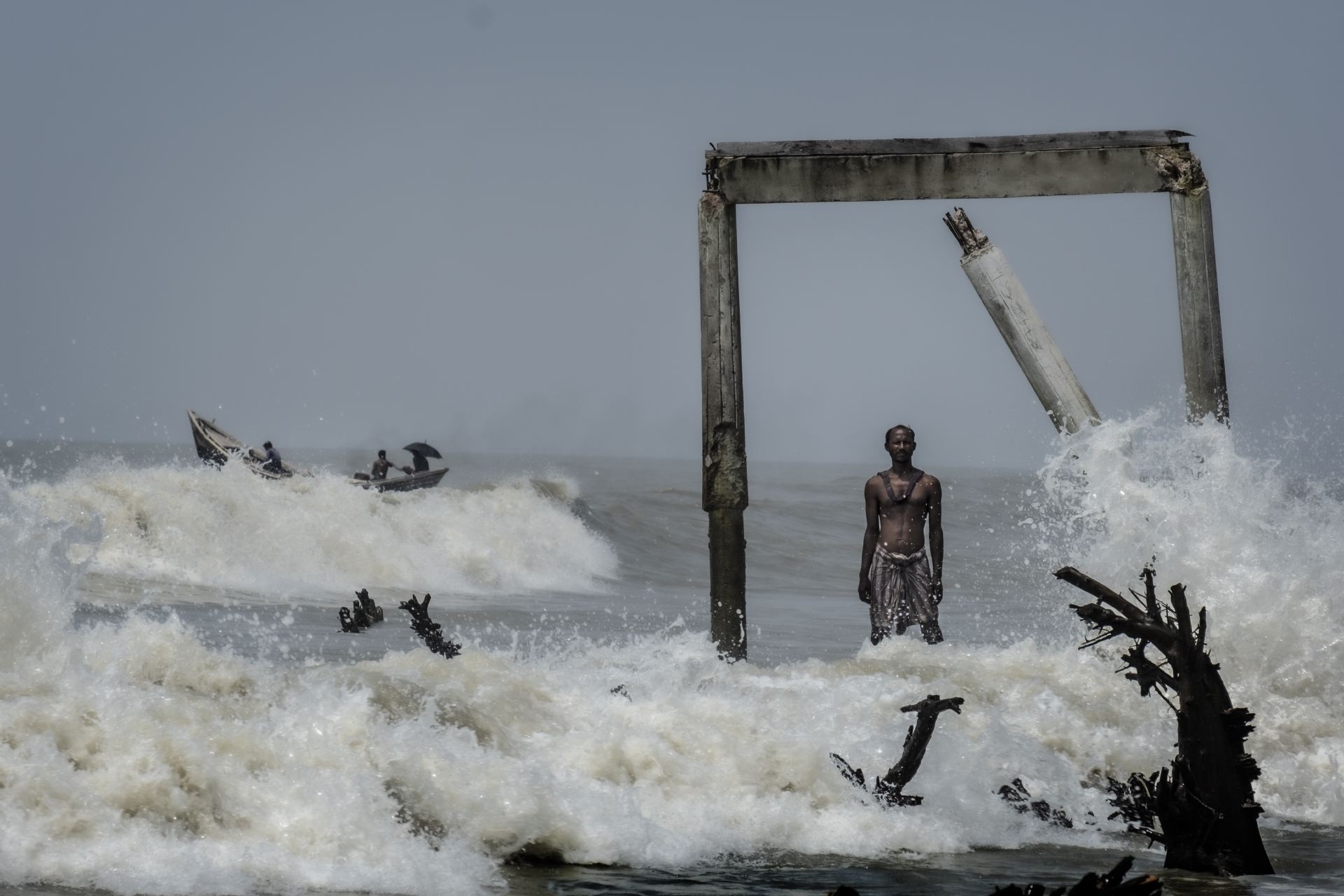
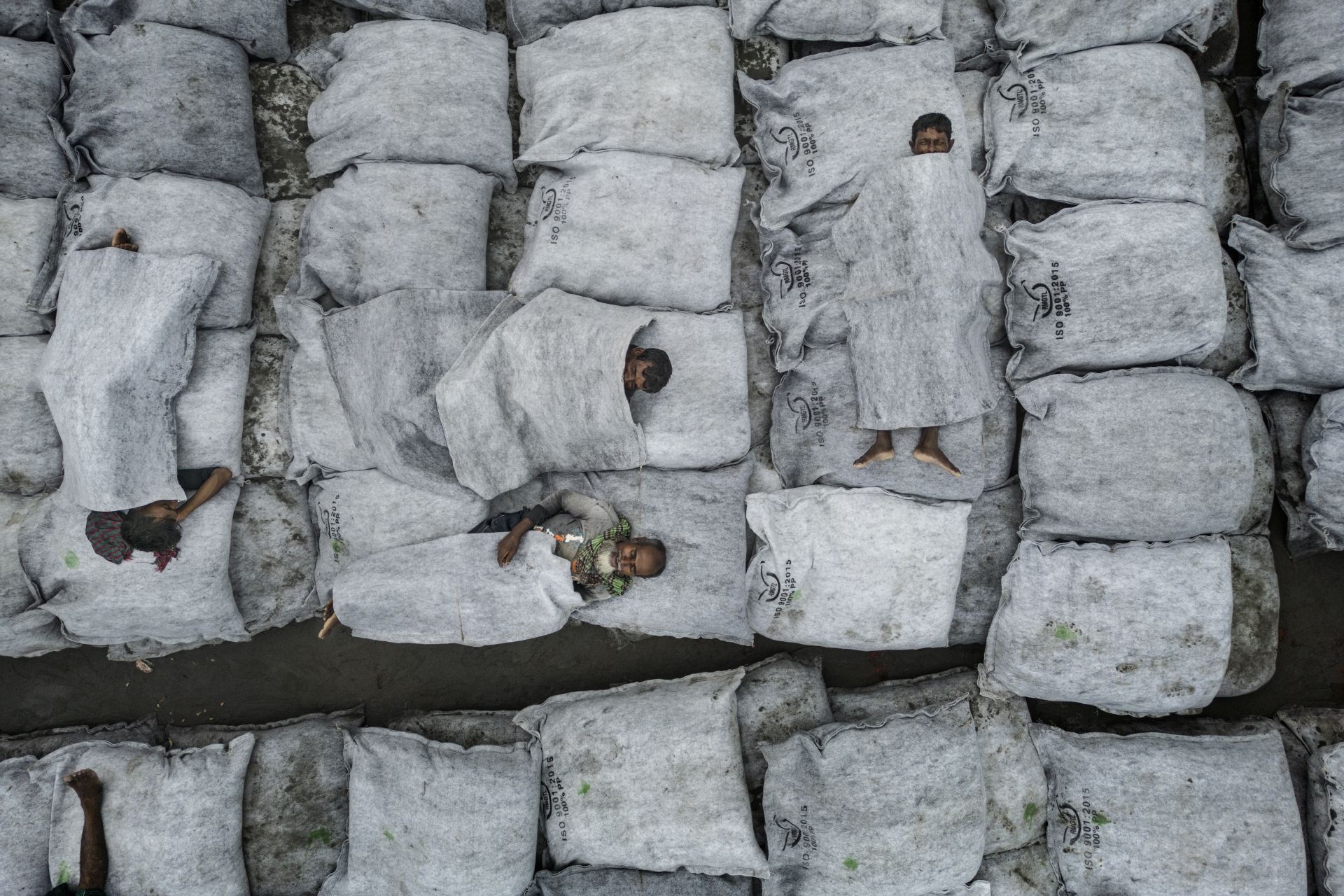
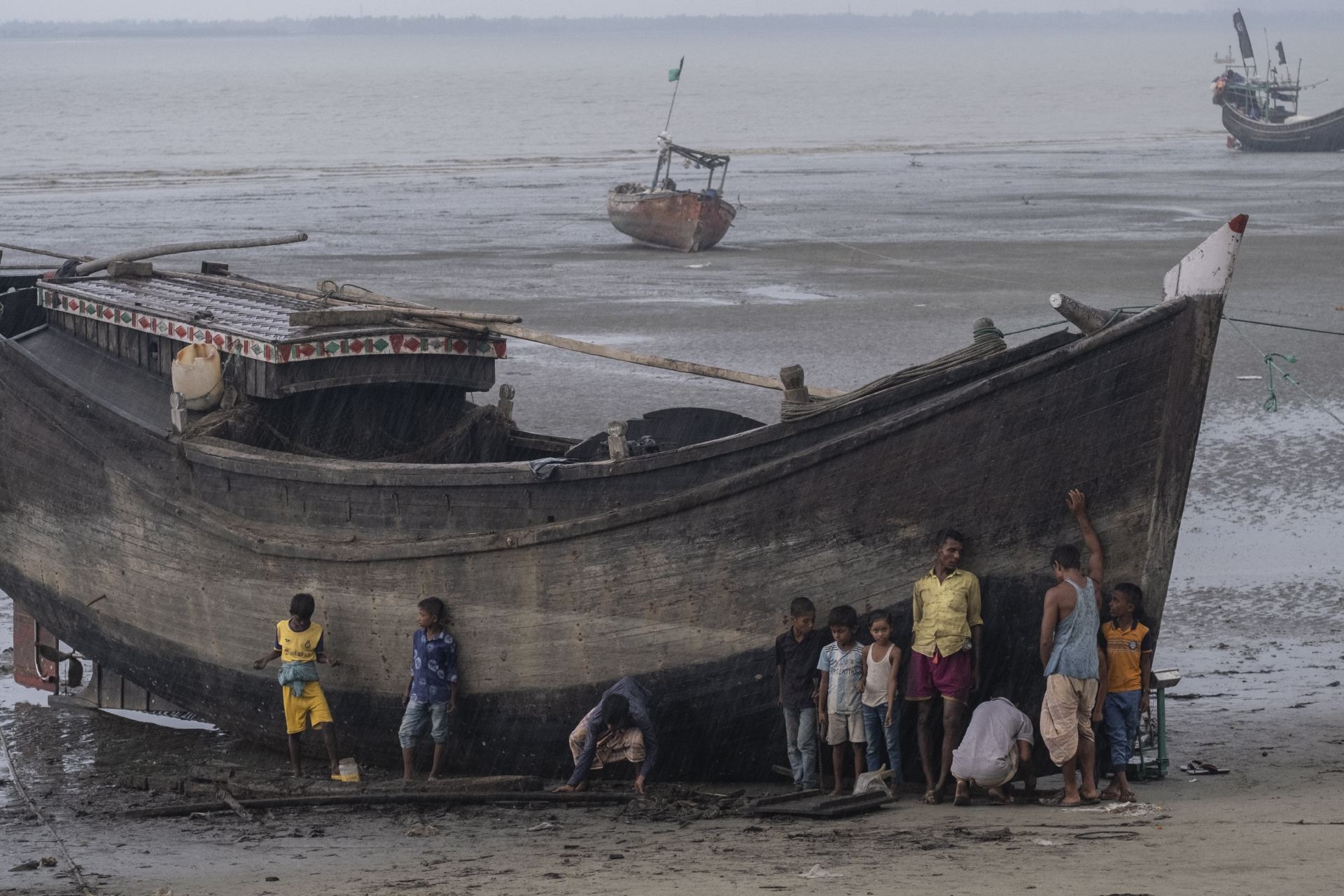
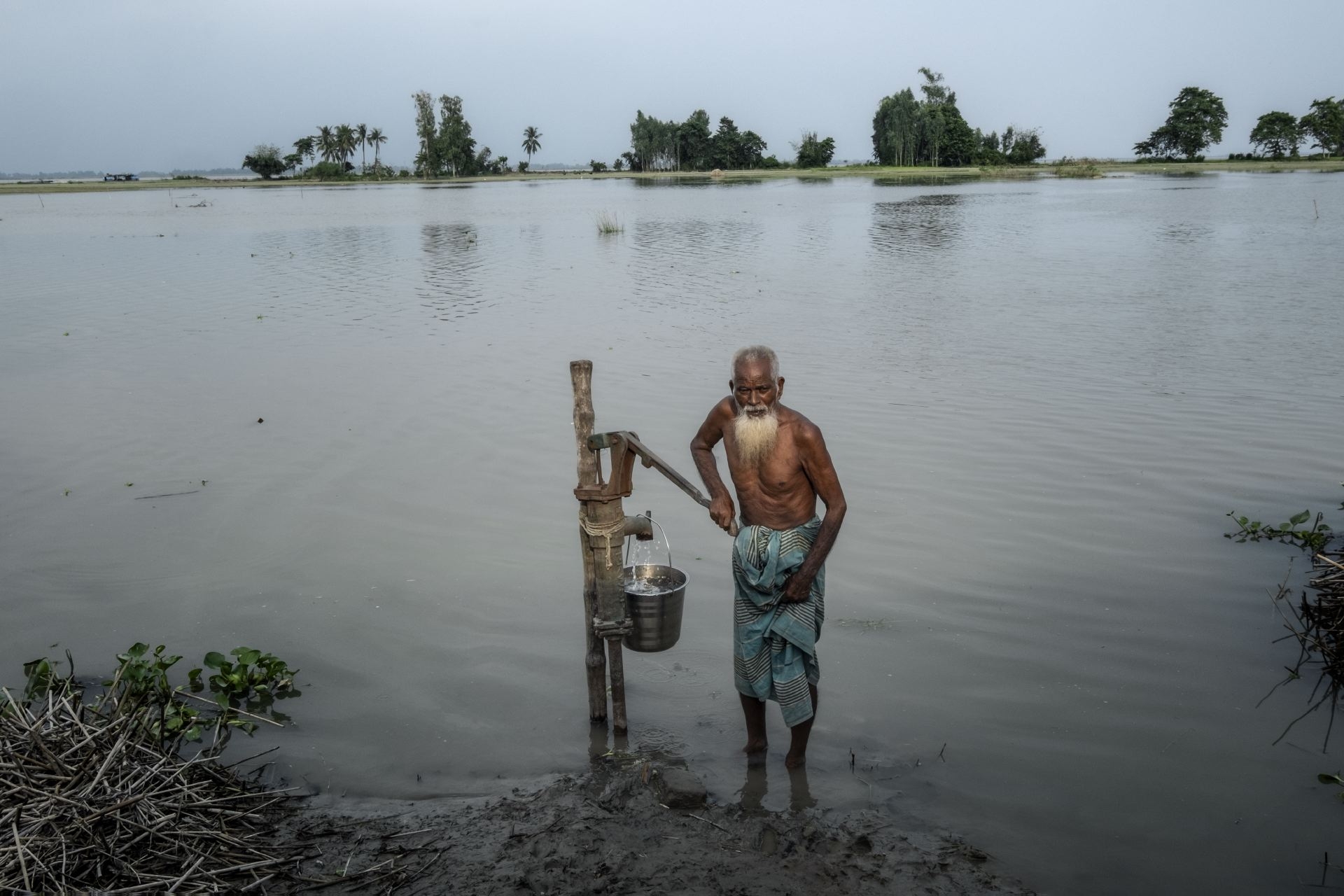
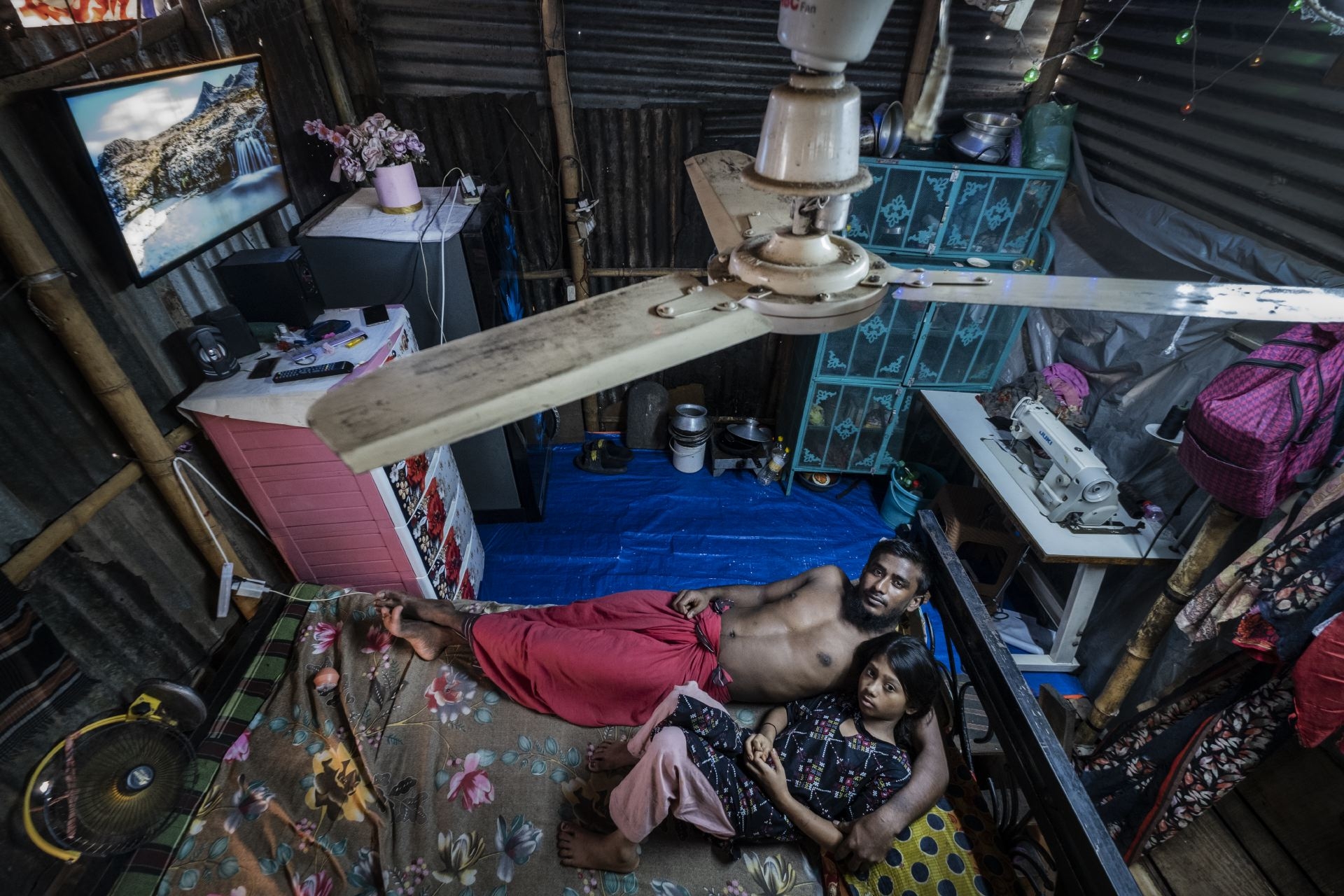
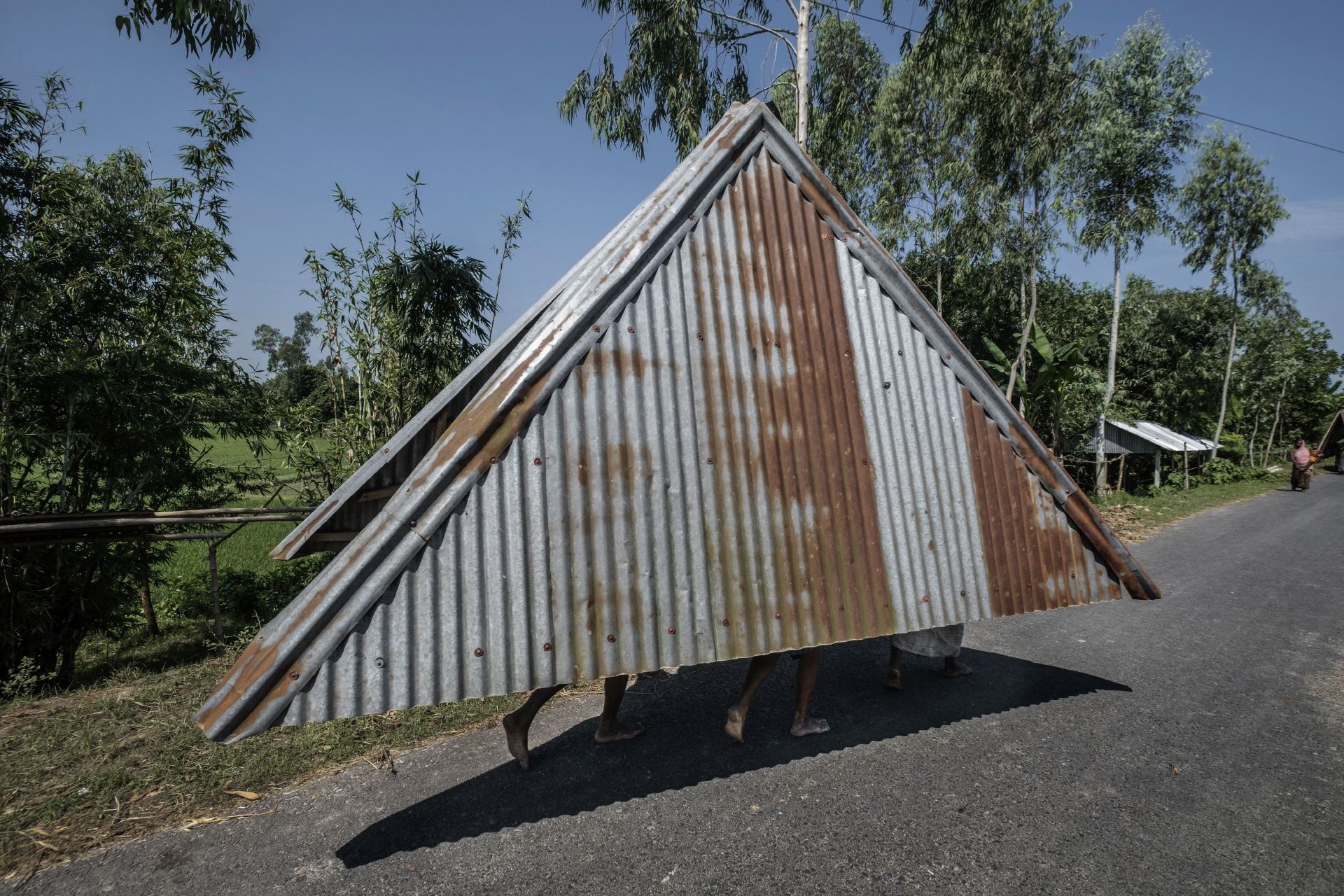
Bangladesh faces devastating consequences of climate change including, frequent droughts, floods, cyclones, and rising sea levels, resulting in property damage, and human casualties. Unemployment, poverty, and internal migration to crowded urban areas, particularly Dhaka, is rising. Situated just above sea level, the country could lose 15-20% of its land mass by 2050, displacing 25-30 million people and sparking regional conflicts. Western nations, leading greenhouse gas emitters, should adopt a global approach to climate justice and provide financial and technological aid to Bangladesh.
Bio
Belgian photojournalist Alain Schroeder has been working in the industry for over four decades. First as a sports photographer in the 80s, then shooting books and editorial pieces in art and human stories.
In 2013, he uprooted his life, trading-in his shares in Reporters (a Belgian photo agency), to pursue life on the road with a camera. He now travels the world shooting stories focusing on social issues and people.
Awards
He has won many international awards including PX3, IPA, MIFA, BIFA, PDN, Nikon Japan, Nikon Belgium, Headon Australia, Days Japan, and specifically; 9 TPOTY, 5 Trieste Photo Awards, 2 The Fence, 2 LensCulture, 2 Felix Schoeller, 4 Istanbul Photo Awards, 10 Siena, 8 POYI, and 3 World Press Photo,…