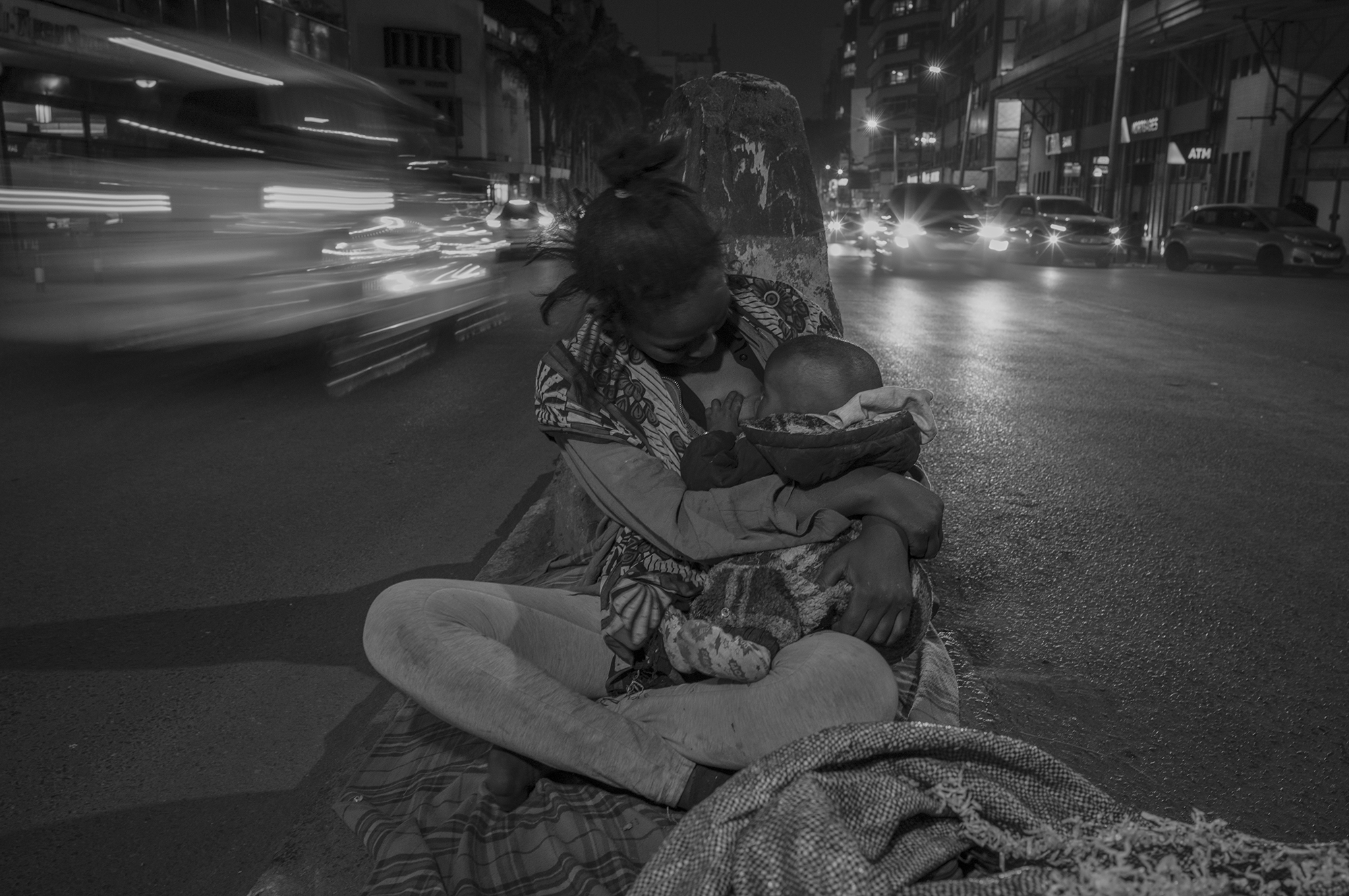
Nowhere But Here
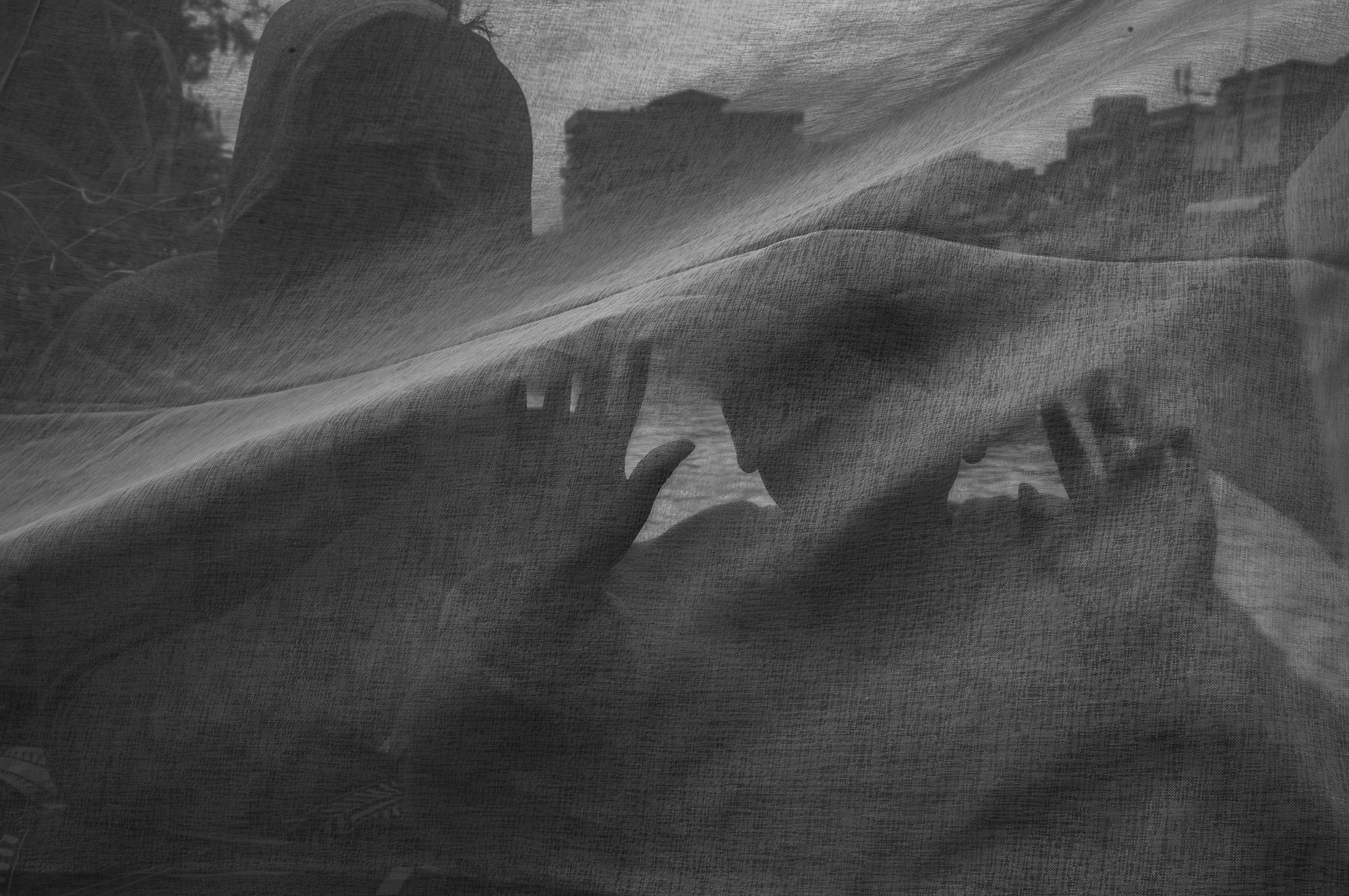
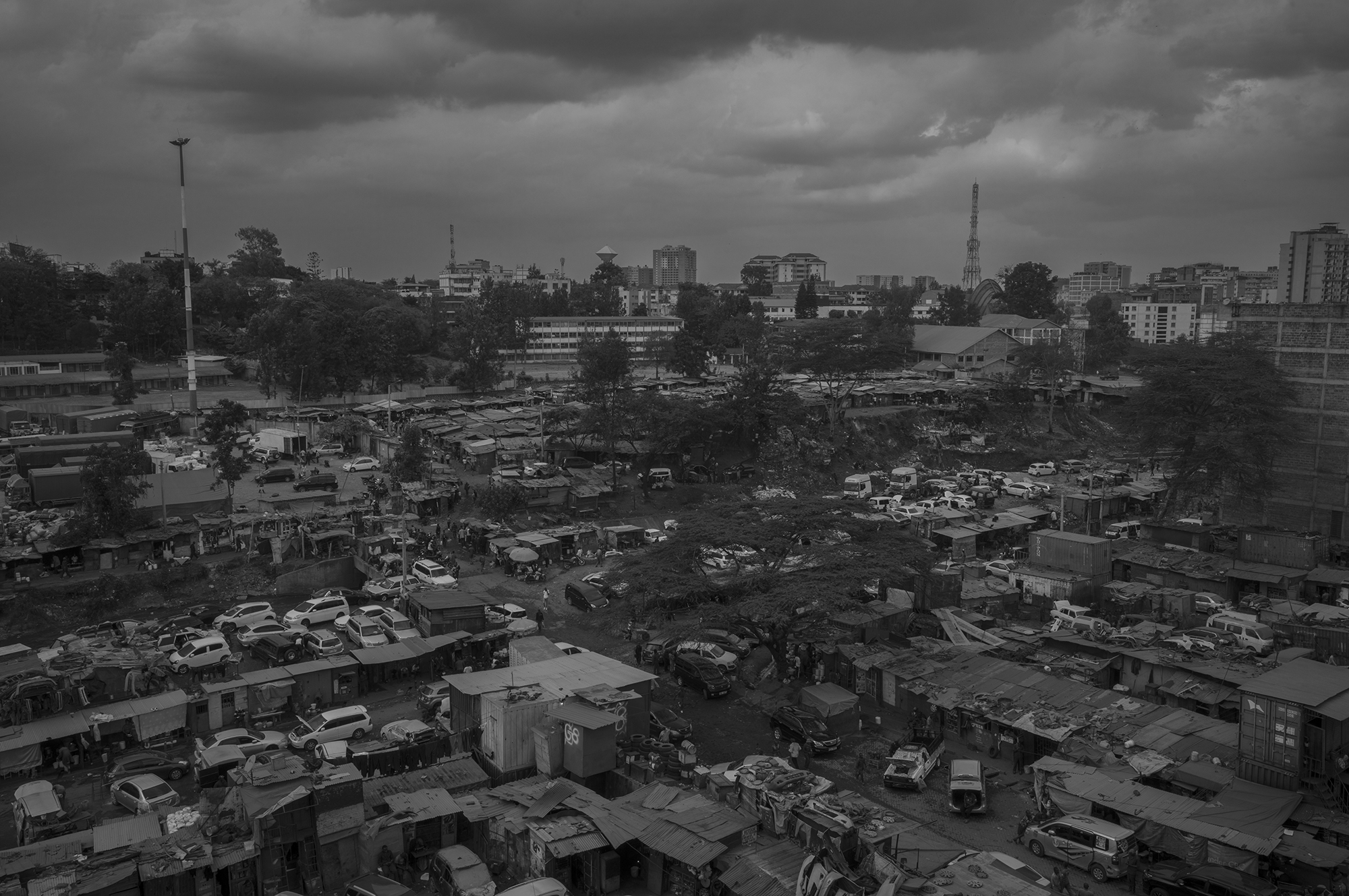
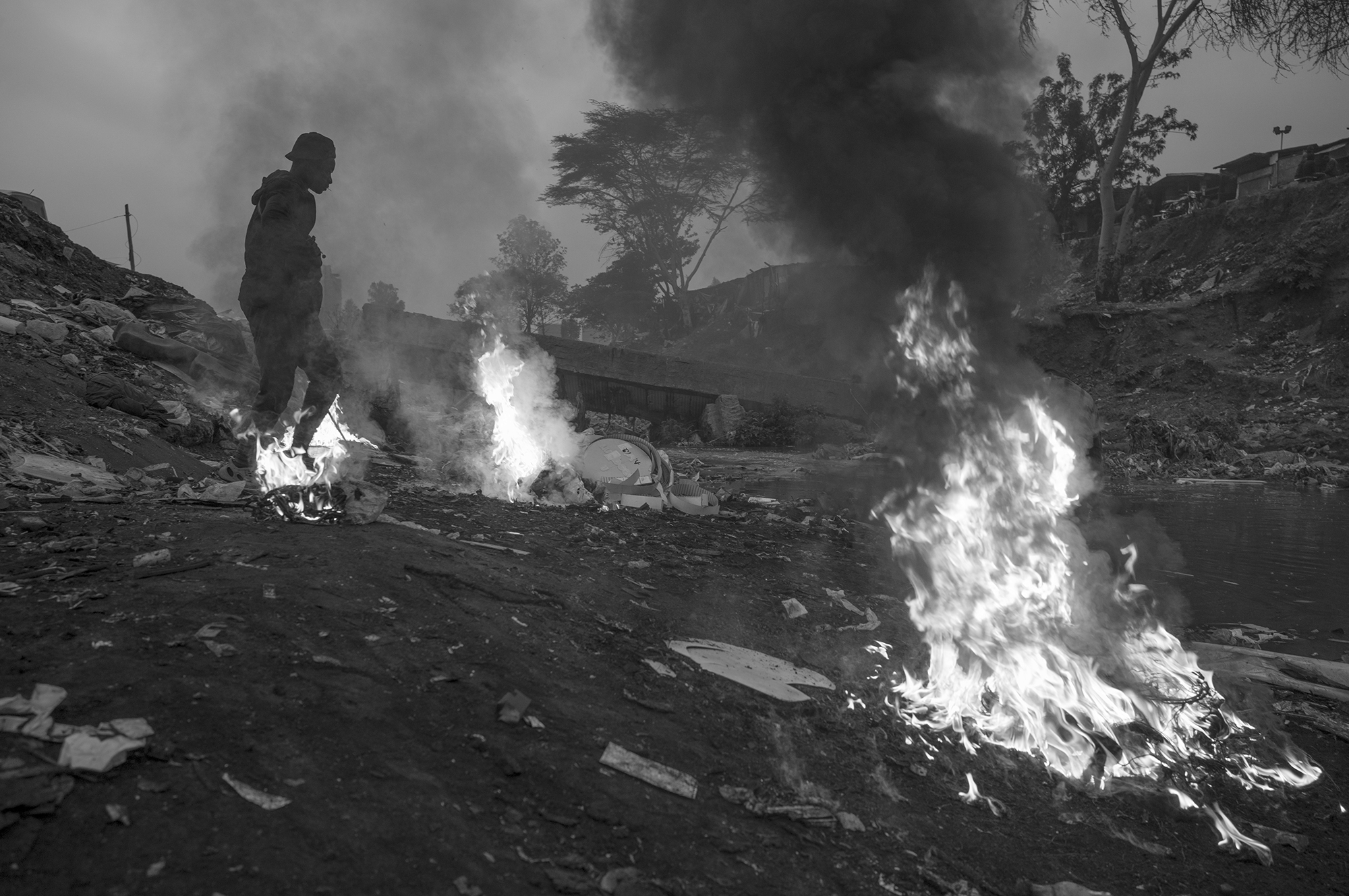
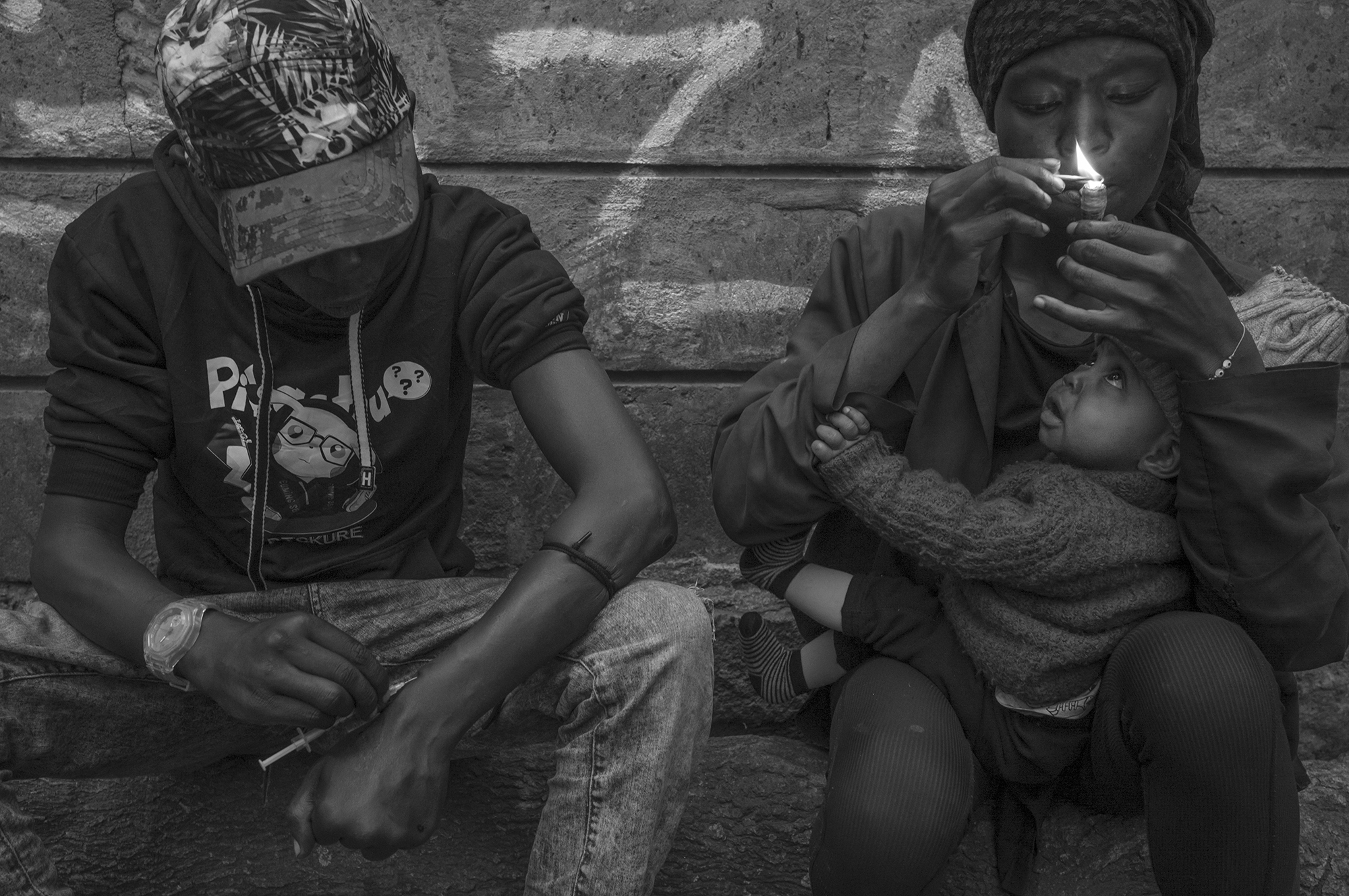
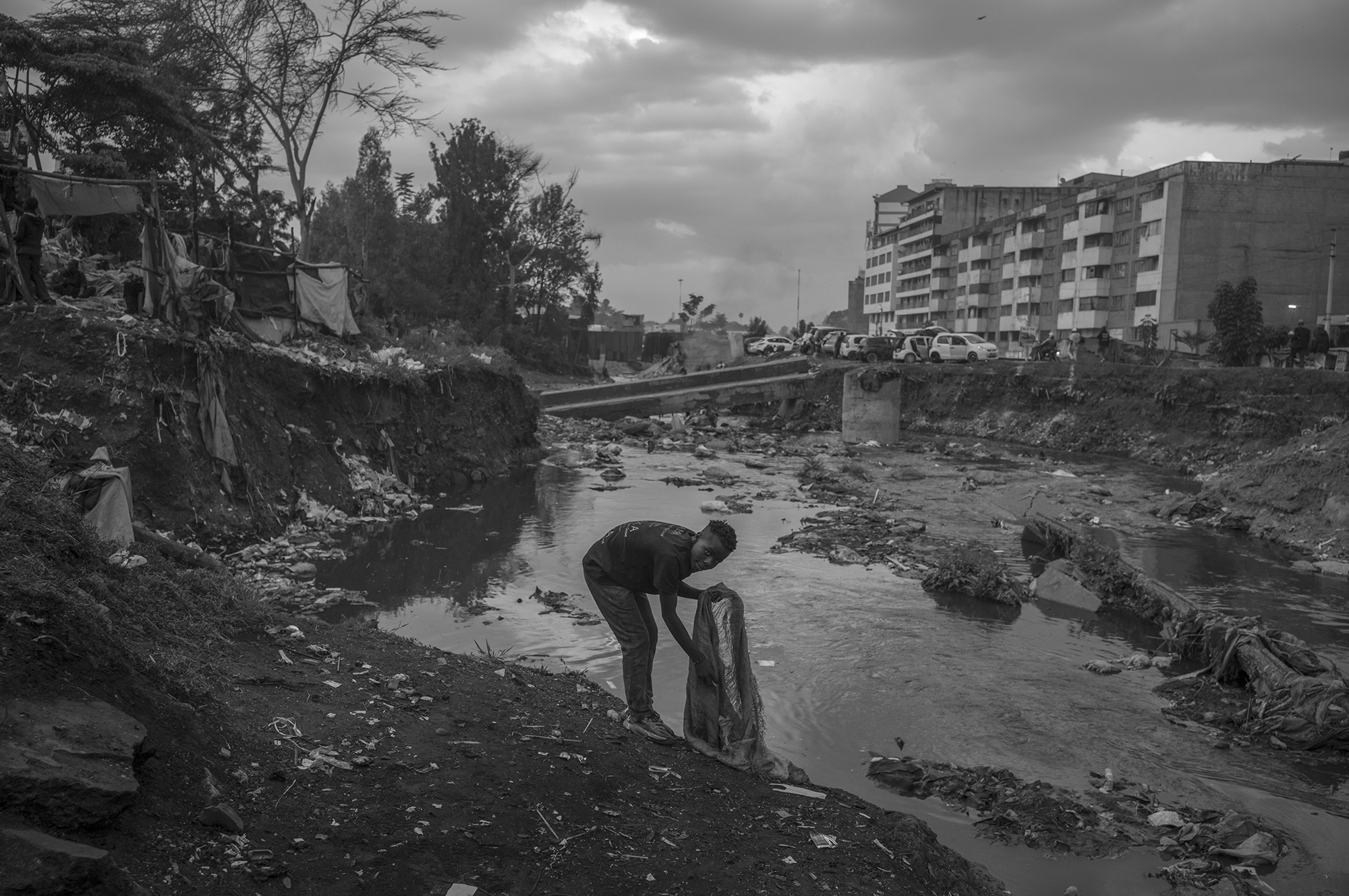
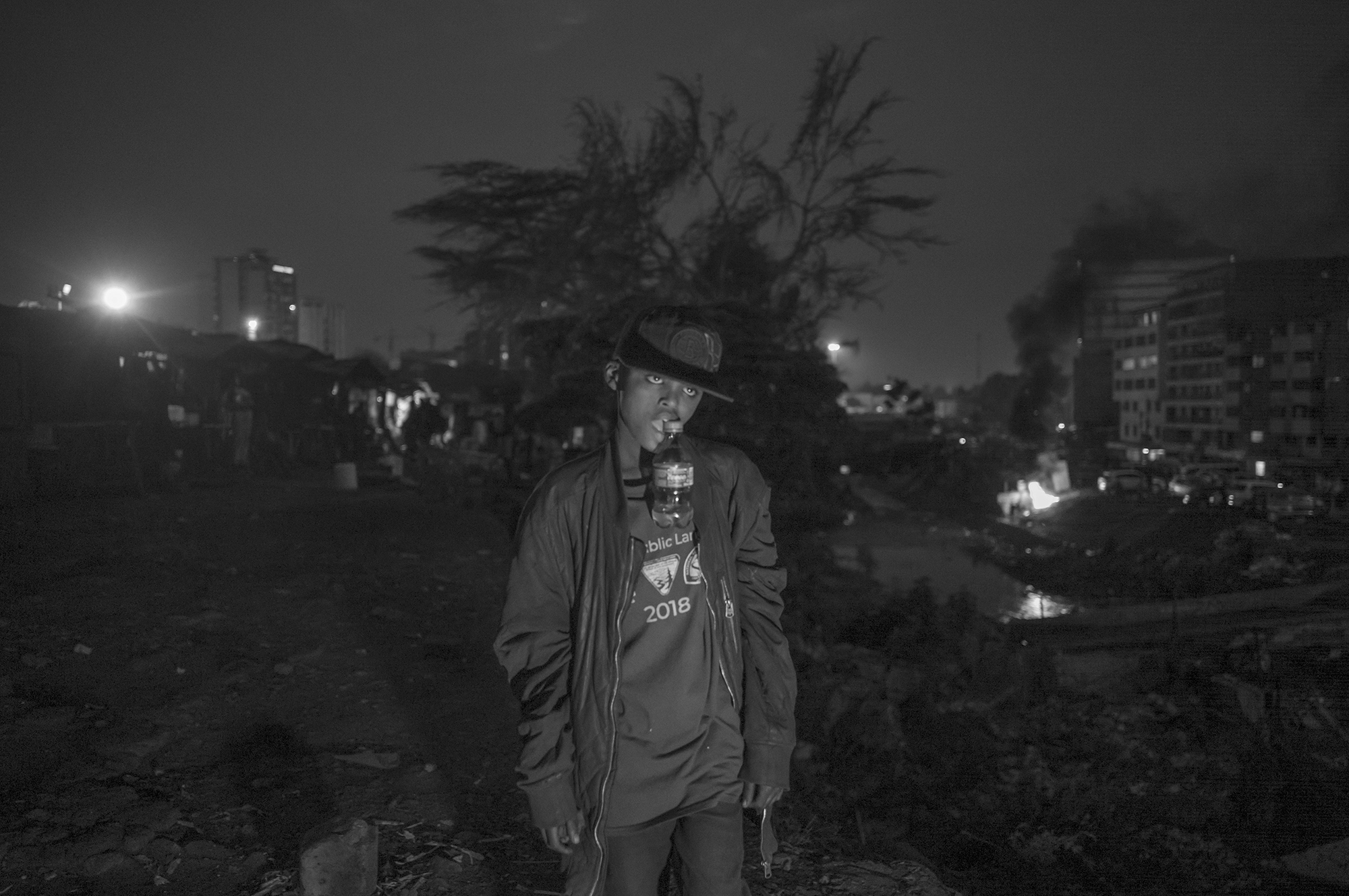
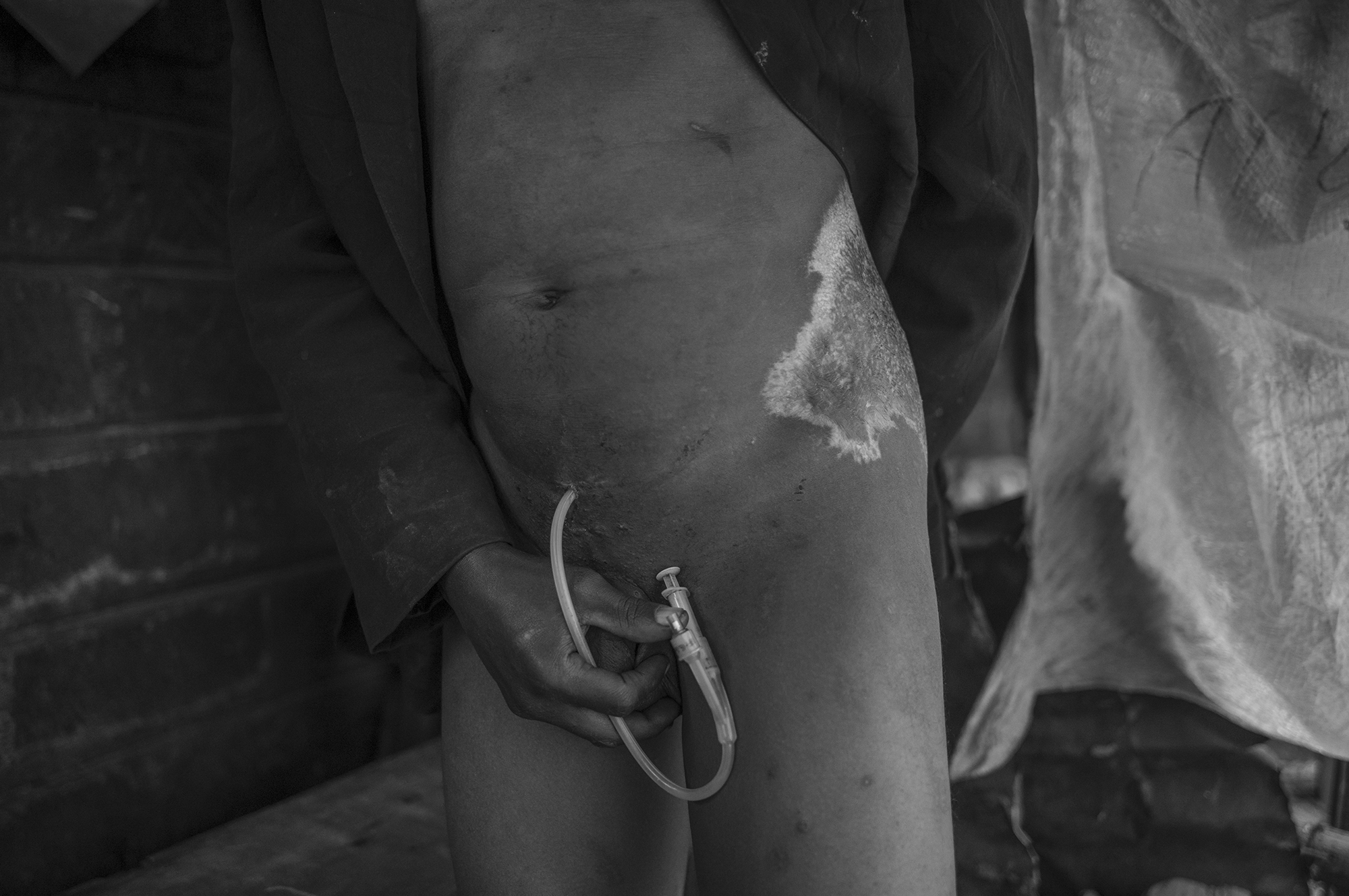
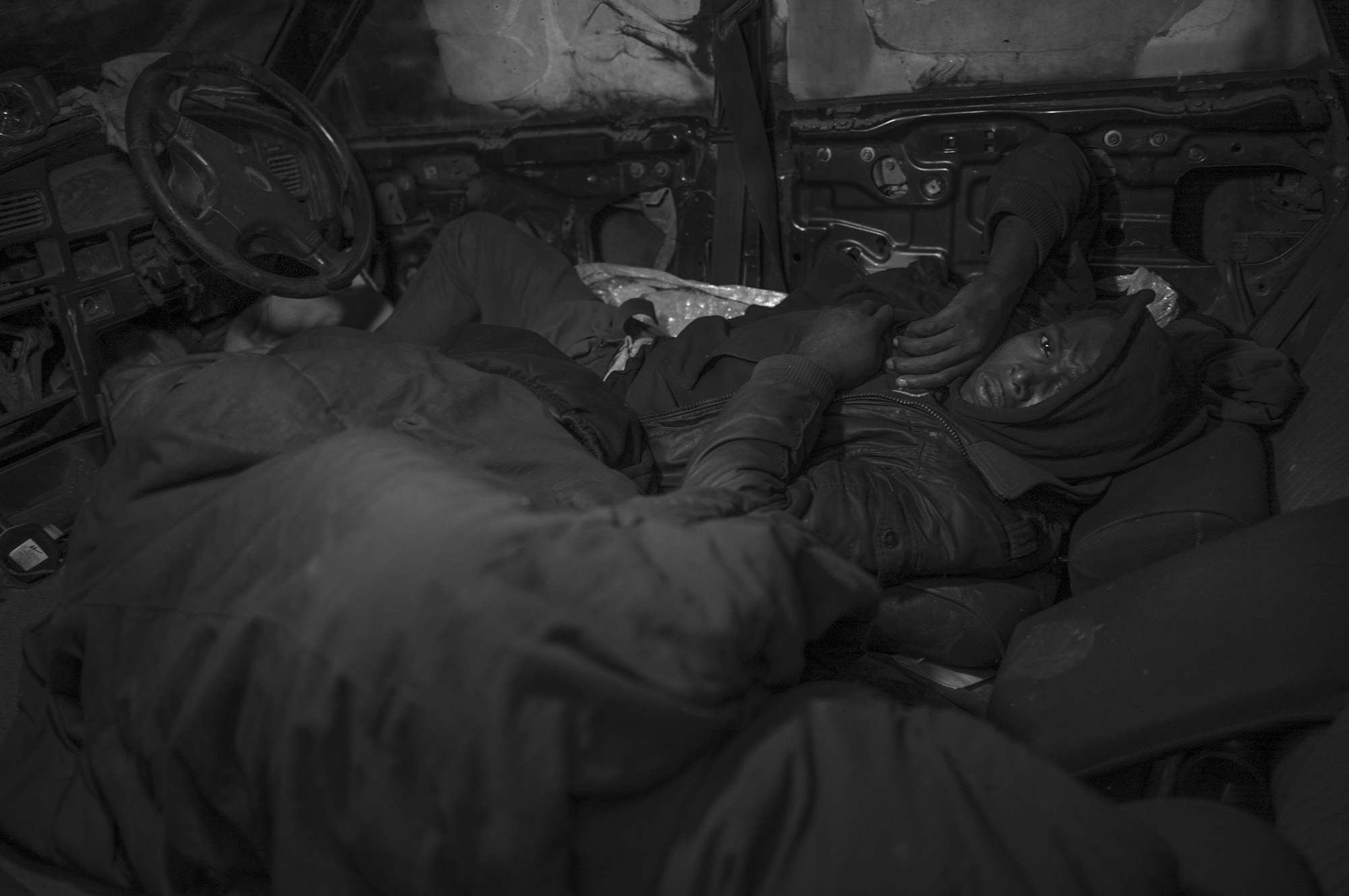
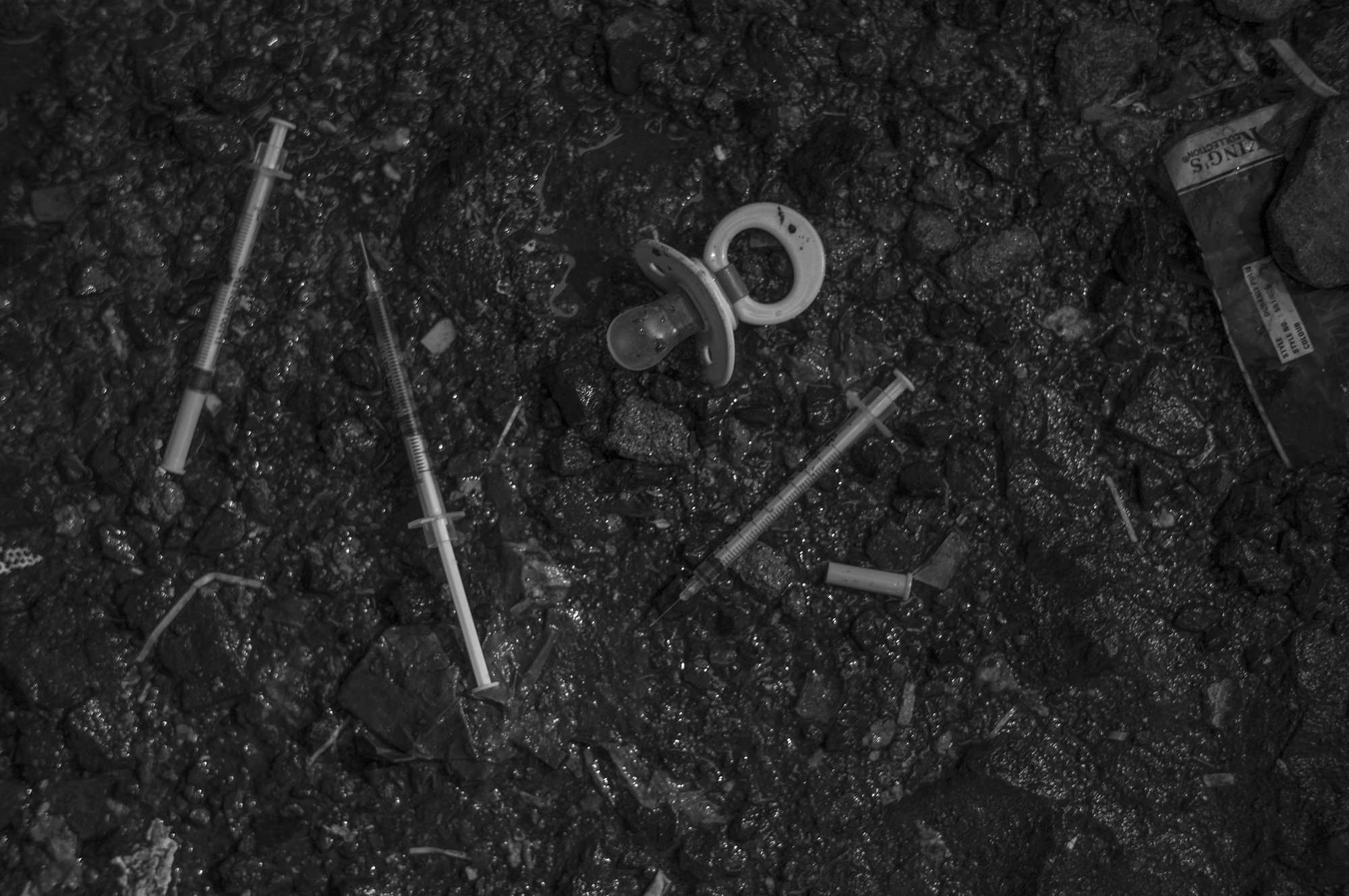
Thousands of children in Nairobi live without shelter, food, or family, chasing dreams of school or work that rarely come true. Afraid to return home as failures, they remain on the streets, where survival is the only law. They sleep in alleys or under bridges, facing violence, gangs, police brutality, and constant hunger. Many turn to drugs like heroin or industrial thinner to numb pain and hunger. With little support and growing criminalization, they remain invisible, caught between abandonment and a system that offers neither protection nor hope.
Bio
Mauro De Bettio is an internationally recognized photographer and storyteller whose work captures the heart and soul of some of the most remote and complex corners of the world.
Driven by passion and guided by an unwavering commitment to telling the stories of those who often go unheard, Mauro’s journey has taken him to places of breathtaking beauty, raw reality, and intense emotion.
His work is a dedication to giving voice to the voiceless and an unwavering commitment to showcasing the beauty and suffering of our shared existence.
Awards
2025 - Overall Winner Our Nature Photo Awards
2025 - Photographer Of The Year 1839 Awards - Storytelling category
2025 - 1st Prize Winner Istanbul Photo Awards - Single Portrait
2025 - Winner Travel Photographer of the Year: The People’s Choice Award
2024 - Winner Prix de la Photographie Paris
2024 - Winner World Water Day Photo Contest
2023 - Winner Prix de la Photographie Paris
2022 - Overall Winner American Photography Open
2022 - Overall Winner FIIPA
2021 - ND Photographer of the Year
2021 - Winner URBAN Photo Award
2020 - Winner Portrait of Humanity
2020 - Overall Winner AAP
2018 - Winner Malta International Photo Award
2018 - Winner National Geographic Italy
2018 - Winner American Photography Open
2018 - Winner LENSCULTURE Portrait Awards