January Syndrome
Photographer
Carlo Gianferro, Italy
Company
Carlo Gianferro
Socials
Website
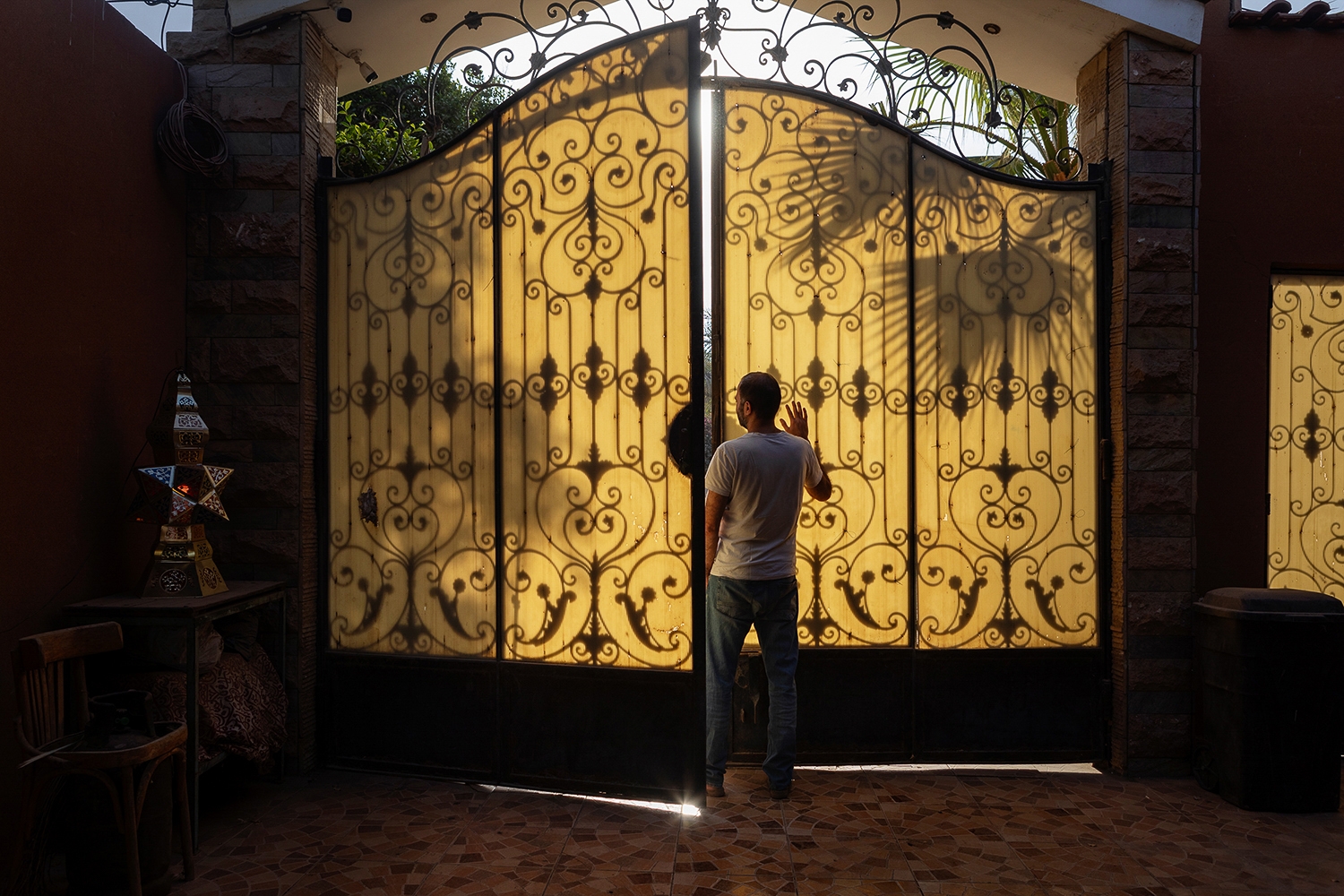
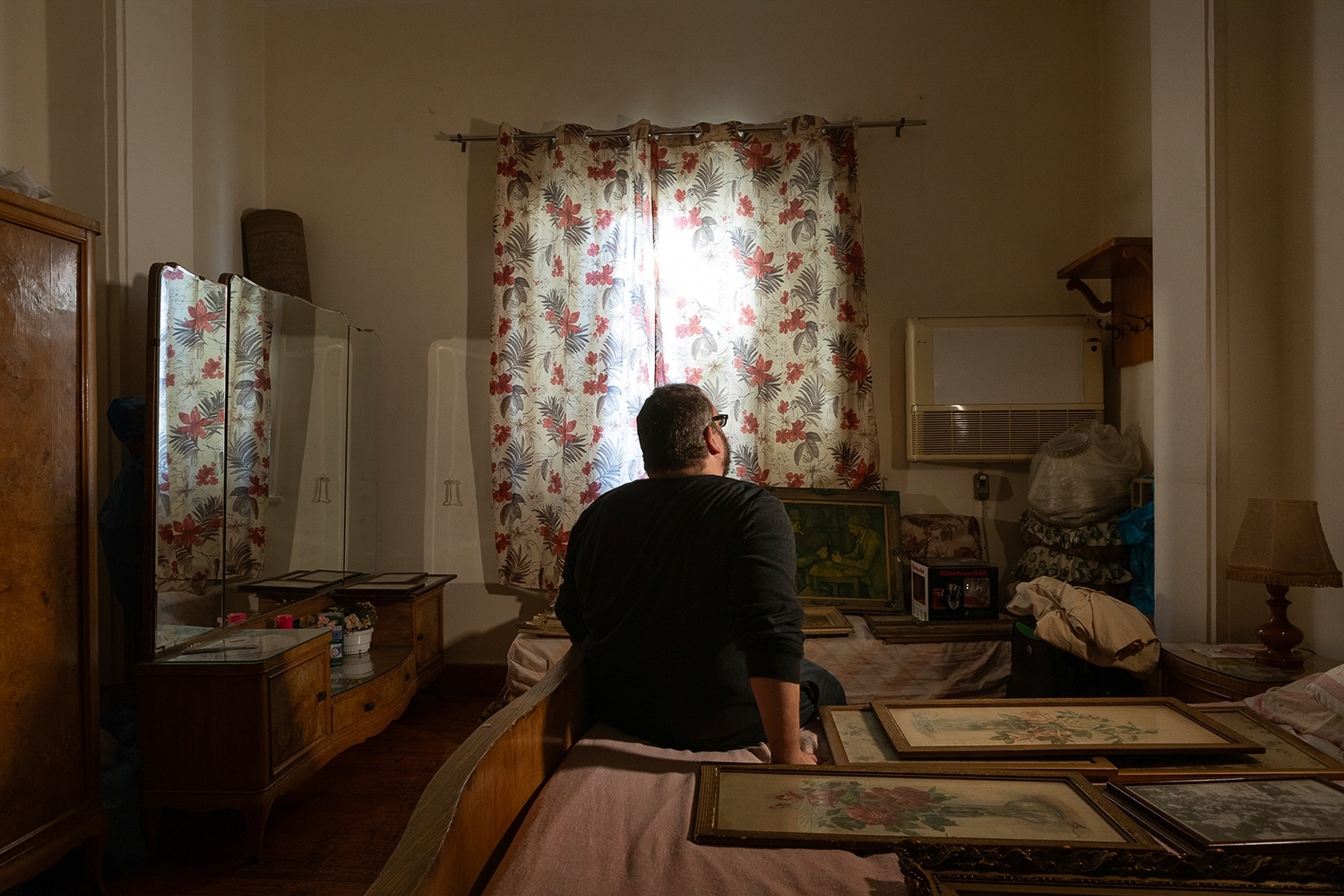
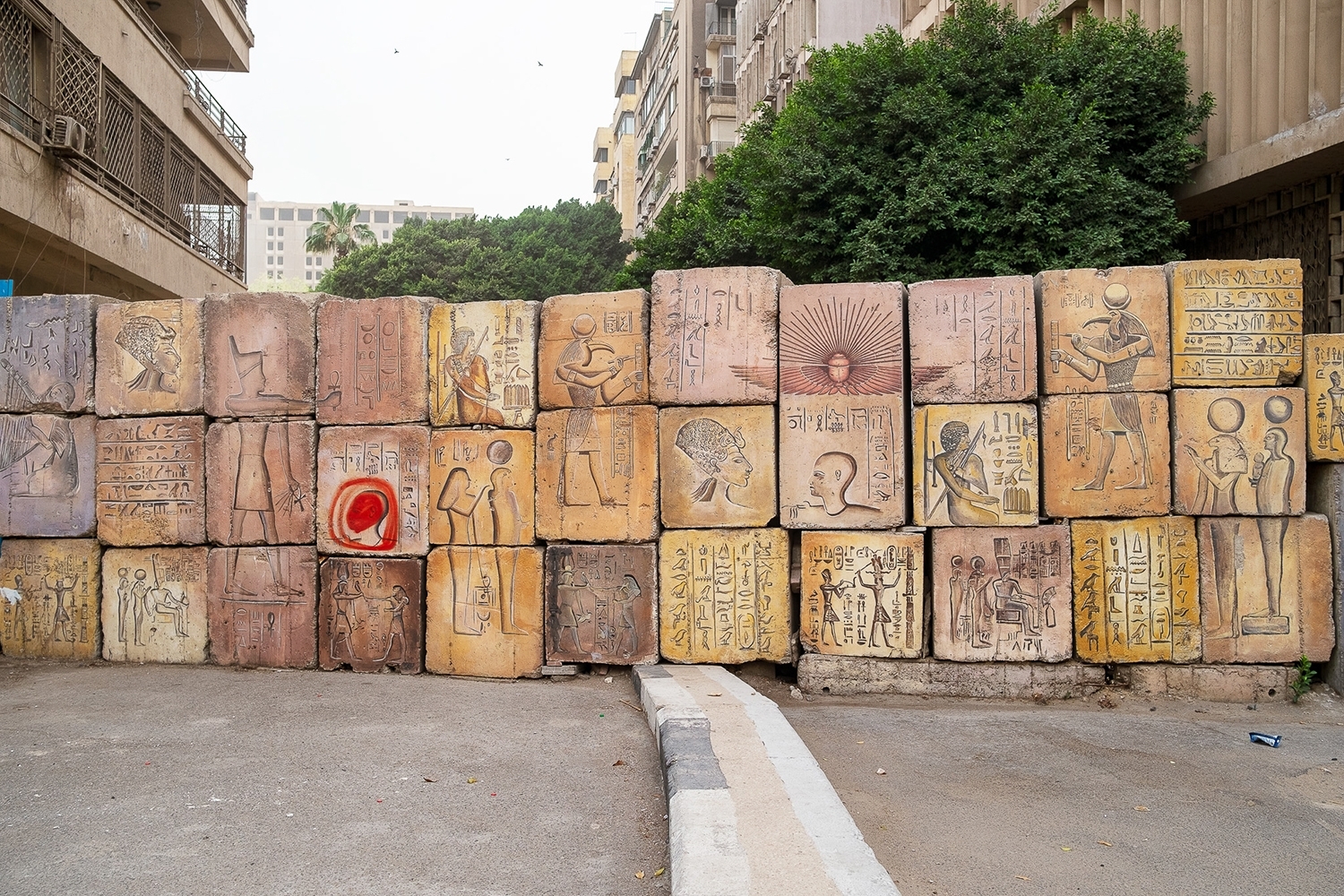
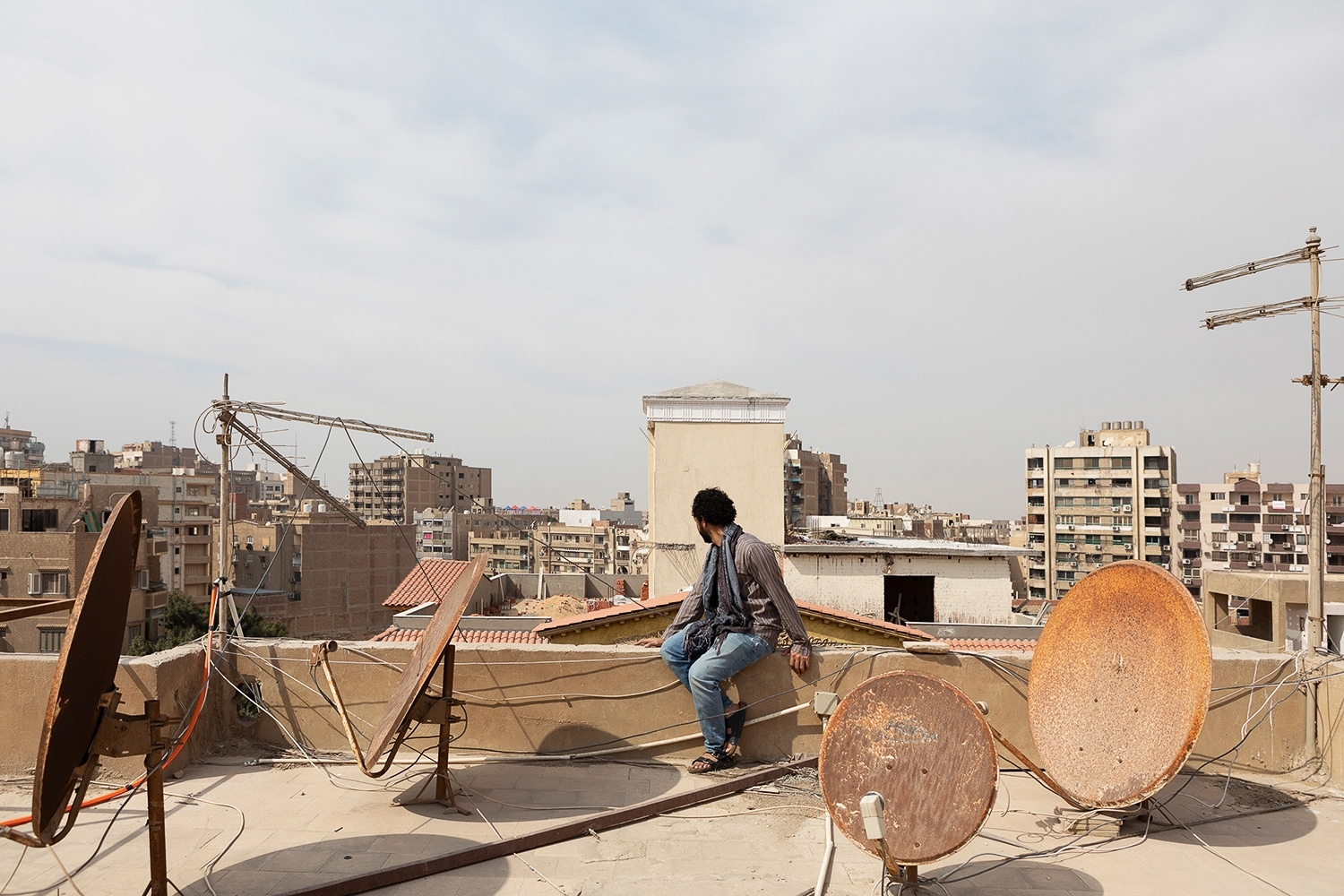
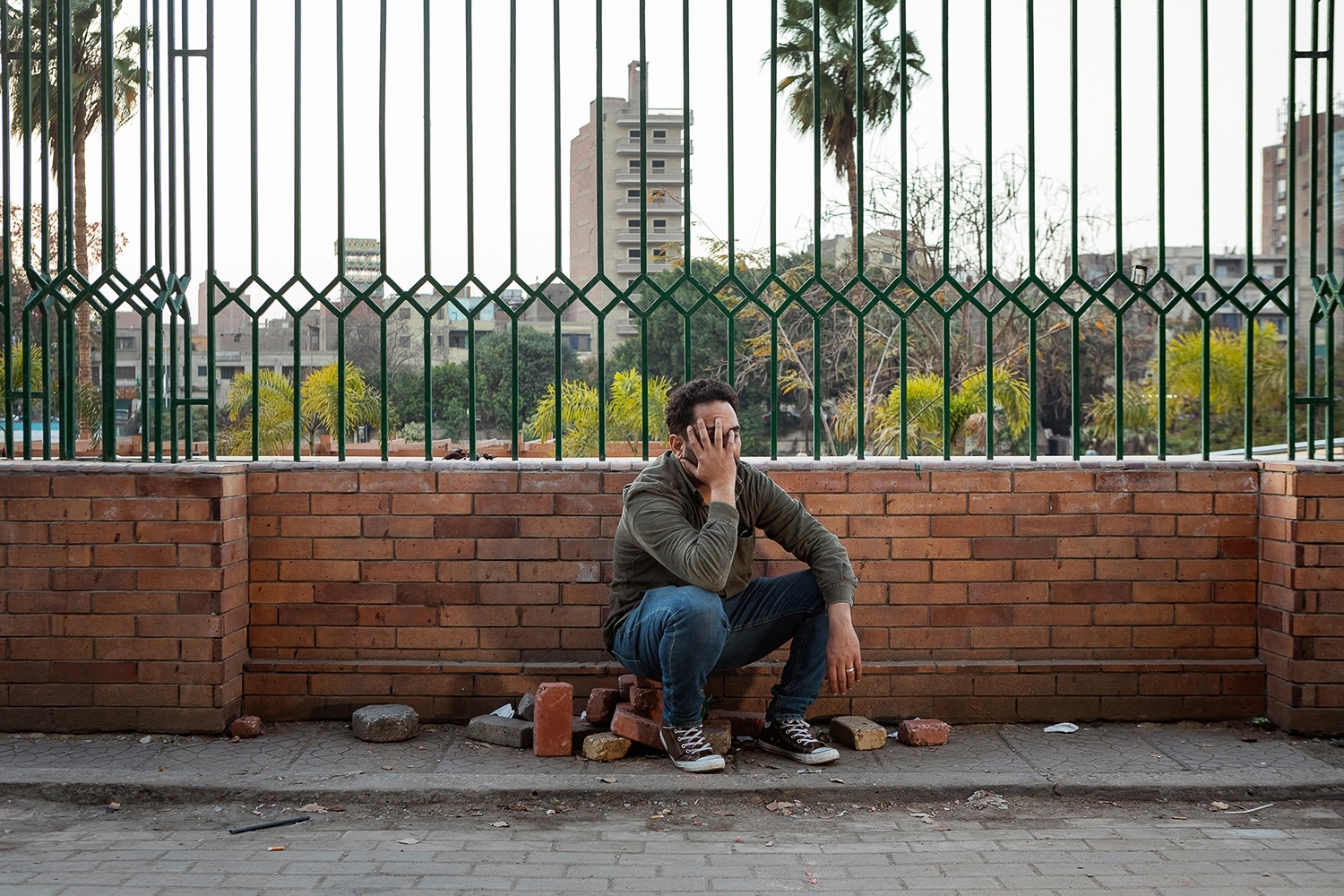
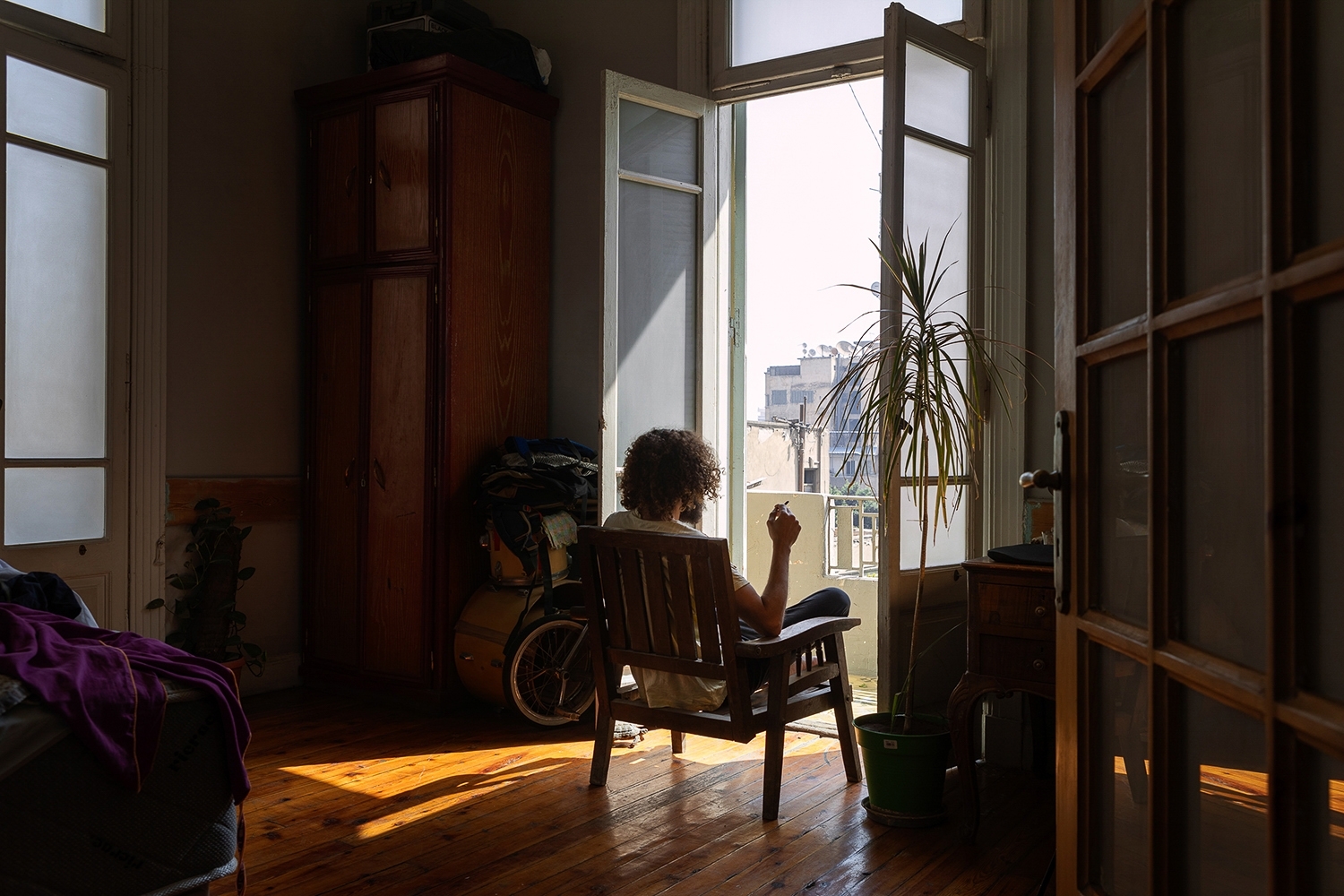
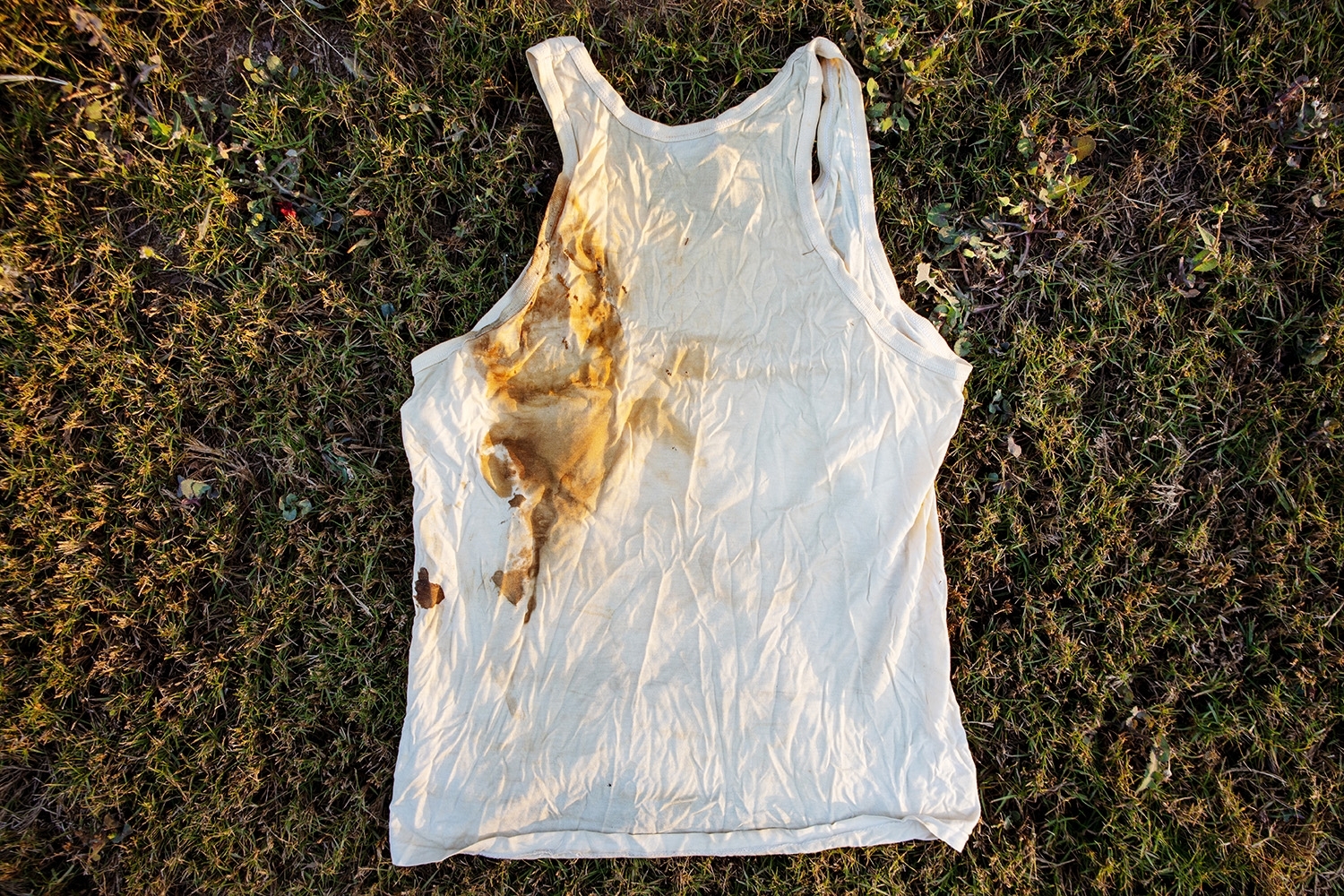
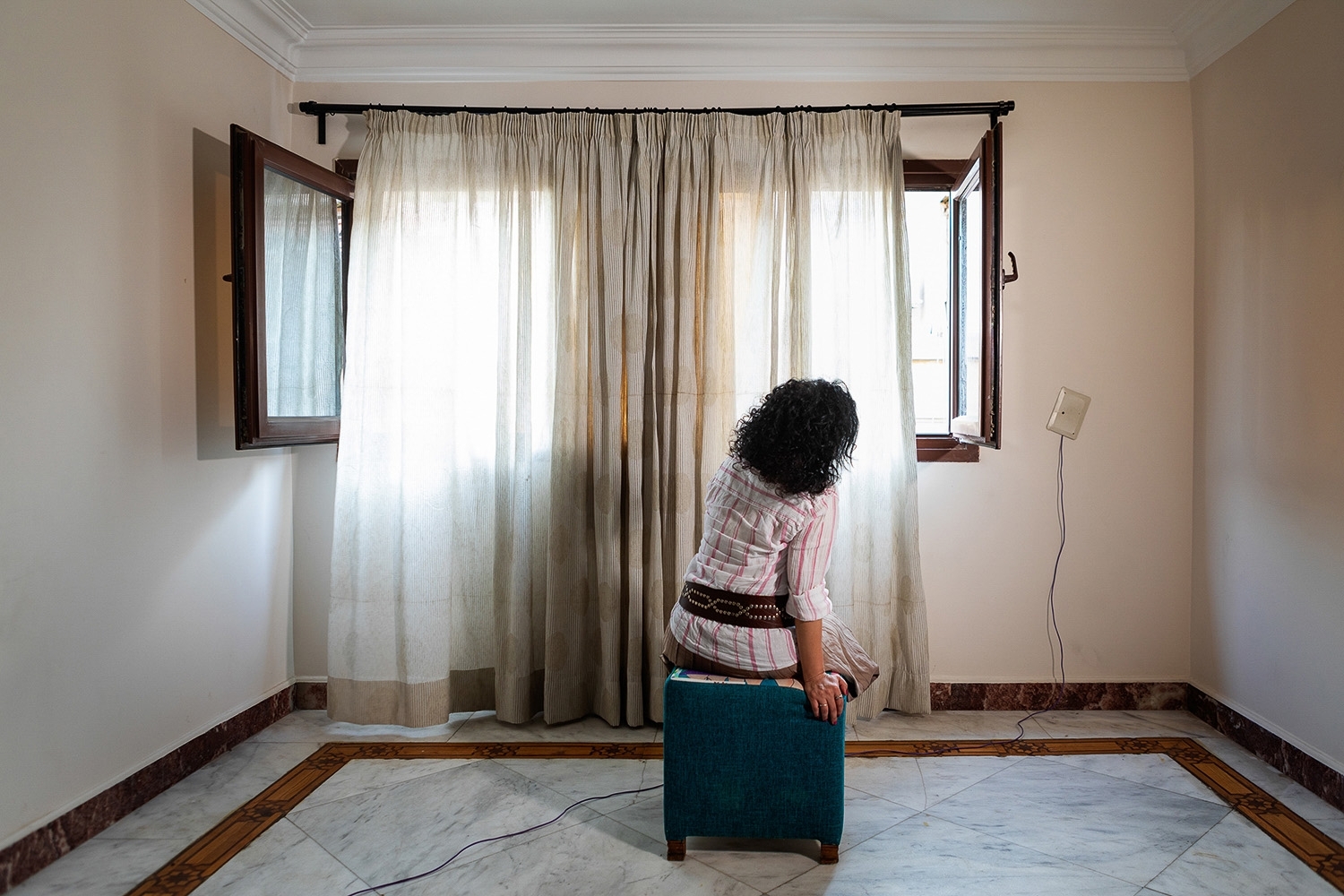
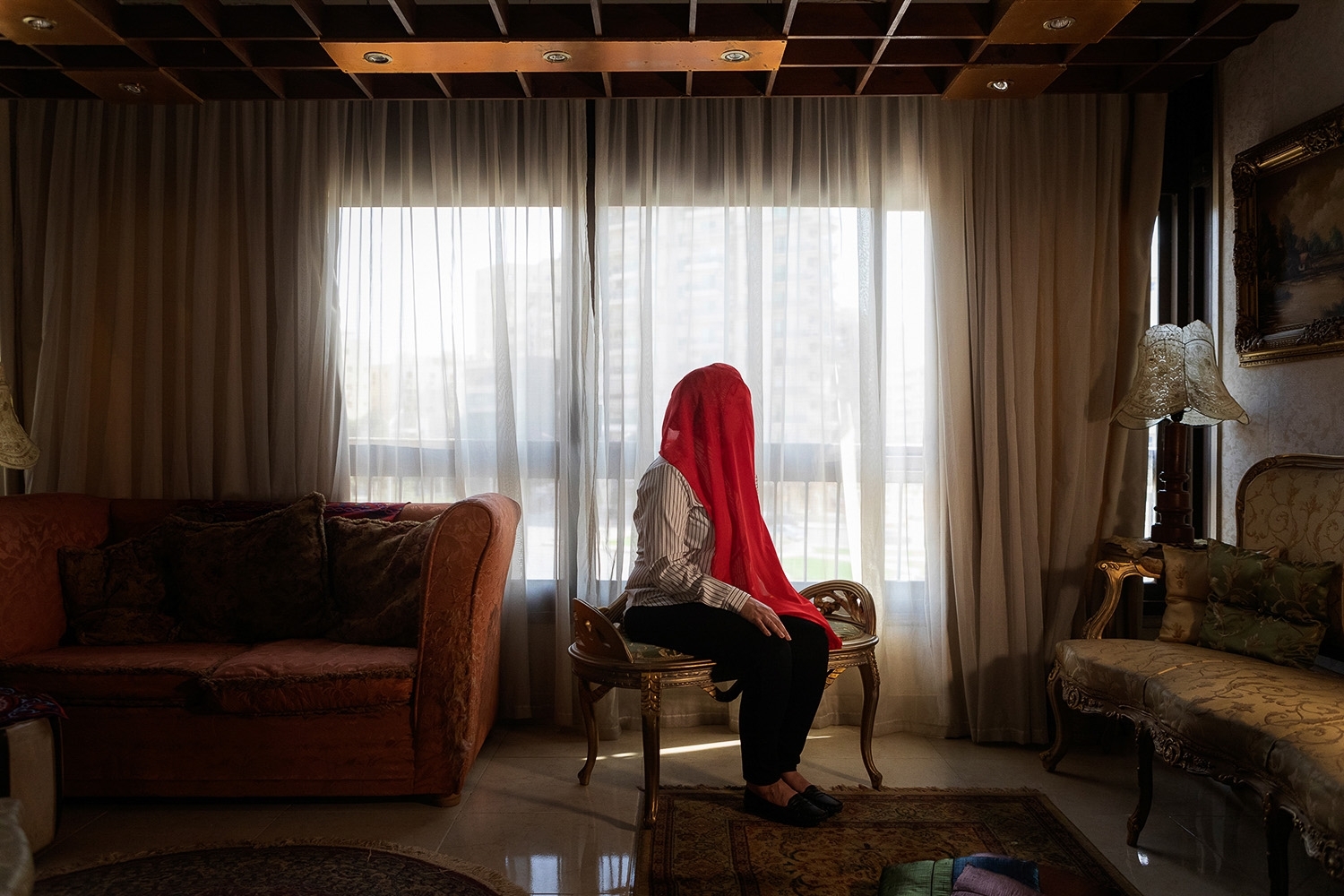
January Syndrome explores the legacy of the 2011 Egyptian Revolution, documenting a generation suspended between revolutionary memory and disillusionment going through deep depression state that many still suffering. Started in 2025, the project features participants photographed from behind in domestic spaces —a choice that protects their safety while evoking the isolation and trauma Accompanying these portraits are stills of symbolic objects and eroded public spaces that represent a "systemic politics of silence" The title reflects the irony how the lattest generation labels the previous one
Bio
Carlo Gianferro (b. 1970) is a Rome-based documentary photographer exploring the link between identity and environment. He gained international acclaim for his research on wealthy Roma communities in Romania and Moldova, winning 1st Prize at the 2009 World Press Photo (Portraits) and publishing Gypsy Architecture and Gypsy Interiors.
His work spans Eastern Europe, Africa, and the Middle East, including his 2026 project on Egypt, January Syndrome. In 2015, he founded the collective ROAM, and in 2019, he collaborated with WWF on the environmental exhibition Citizens of the Sea.
Awards
Established Artist grant by The Documentary Project Fund 2015
Festival Internationale Fotografia Belo Horizonte 2013 selection - Belo Horizonte, Brazil
Home, my Place in the World" Photography Award 2013 - 2nd place, Accademia Apulia, UK
Athens Photo Festival 2012 "Art/Doc Intersection" selection - Athens - Greece
Fotonoviembre 2011 "Autores en Seleccion" - Tenerife - Spain
Kuala Lumpur Photo Awards 2011, 2nd prize - Malasya
Winephoto 2010 - Special Award given by journalist's, Mogliano Veneto, Italy
Kuala Lumpur Photo Awards 2009, 2nd prize - Malasya
World Press Photo 2009 - 1st prize portraits stories
Grand Prix Fotofestiwal Selection 2009, Lodz, Poland
Raymond Weil Talent 2009, Geneva, Switzerland
Prix Exhange Boutographie 2008, Montpellier - France
Marco Pesaresi 2008, Savignano sul Rubicone - Italy