What Us Aid Cuts Mean For The Women of Afghanistan
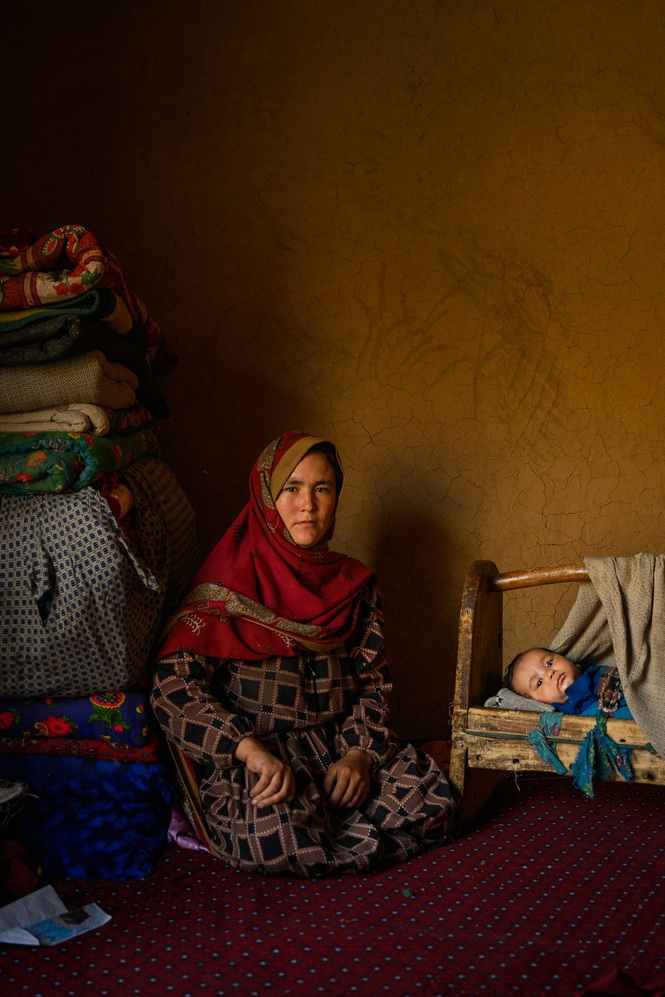
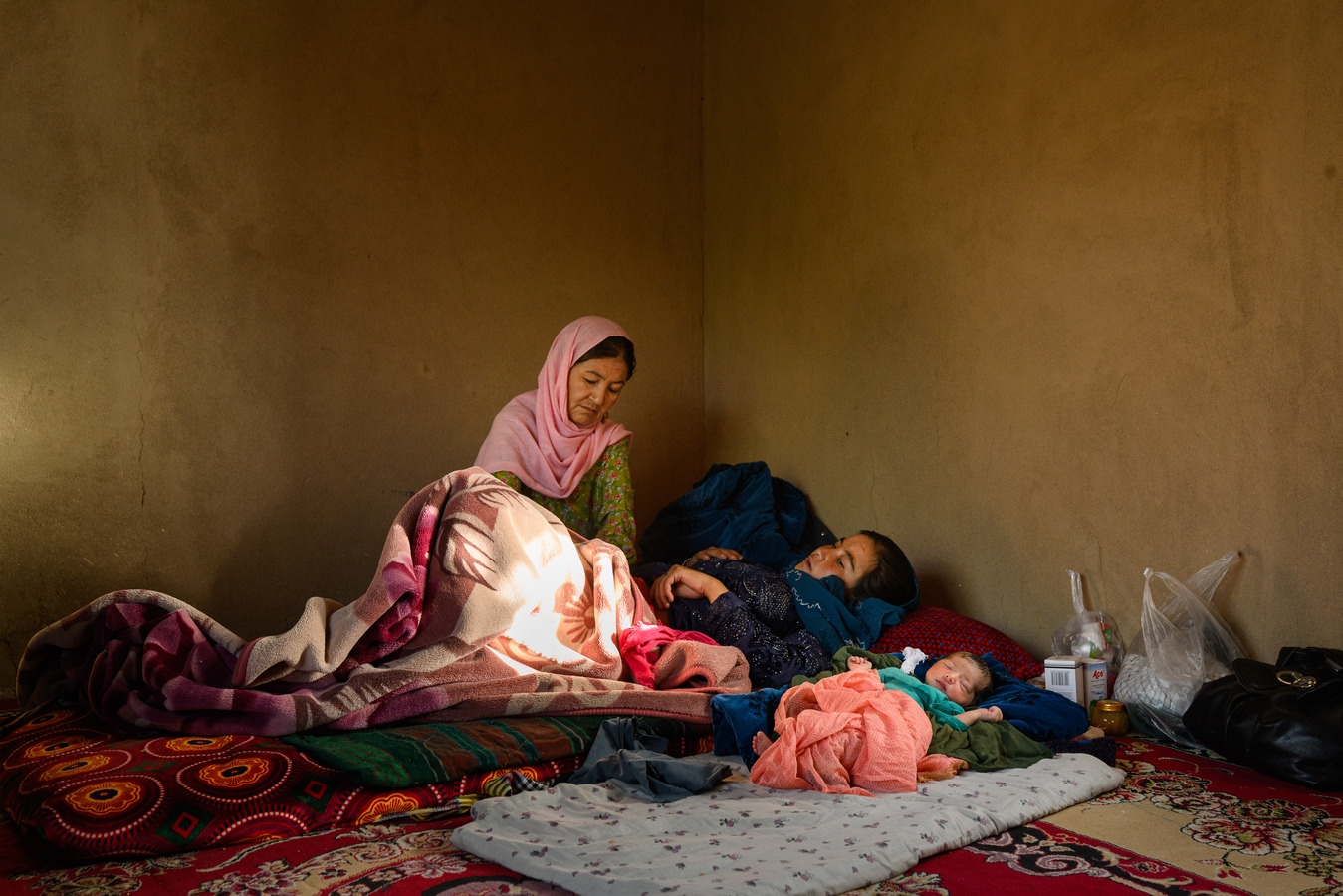
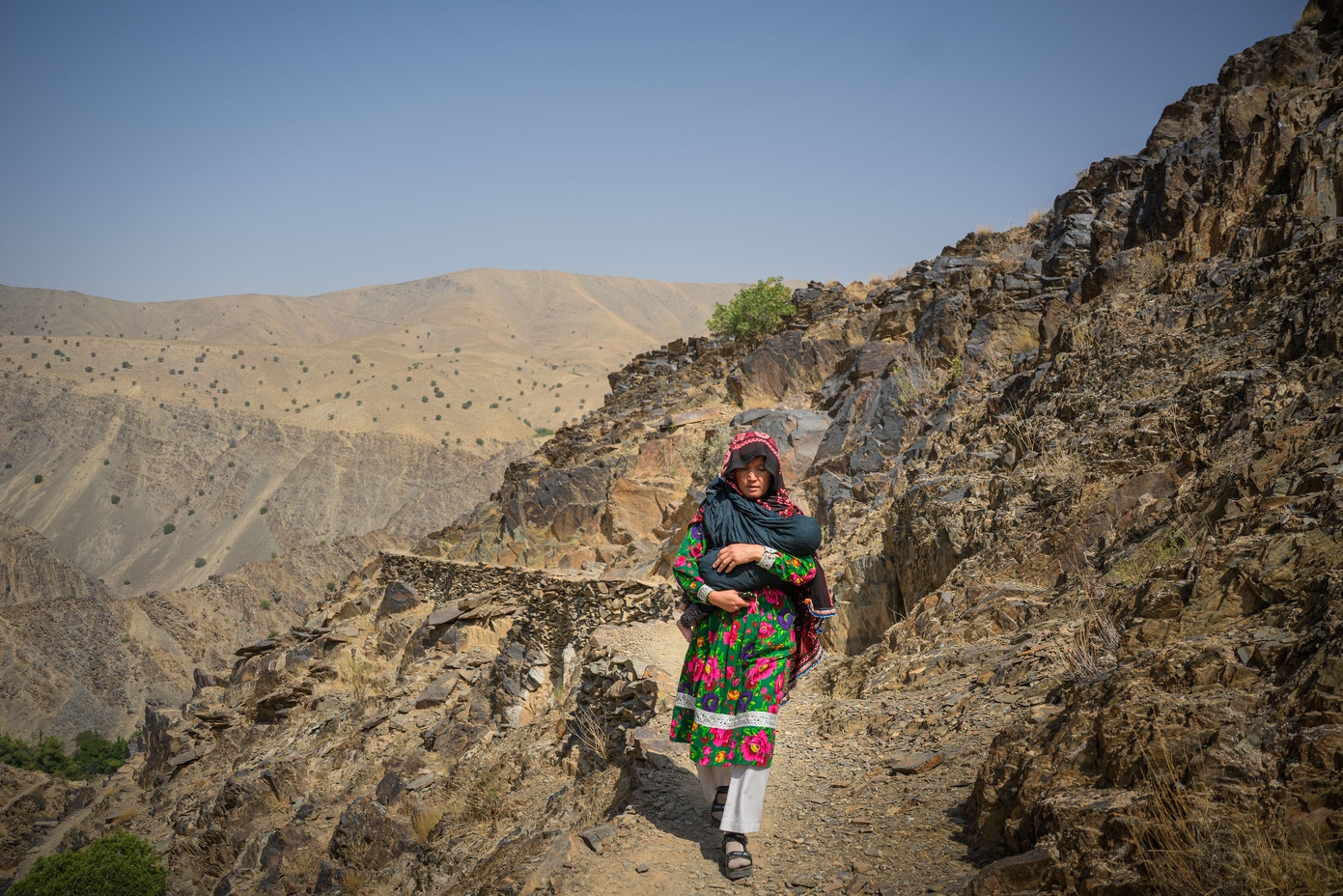
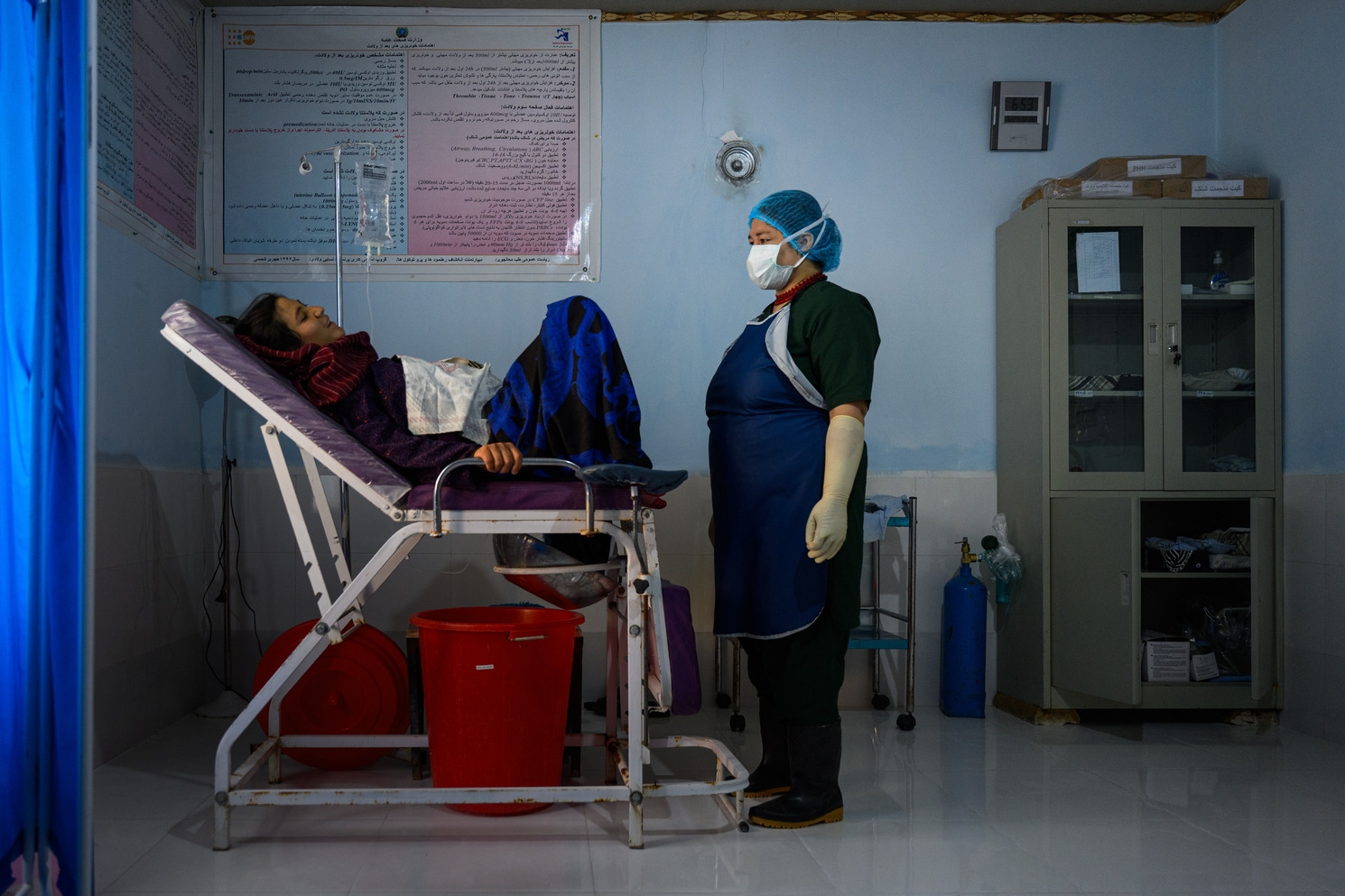
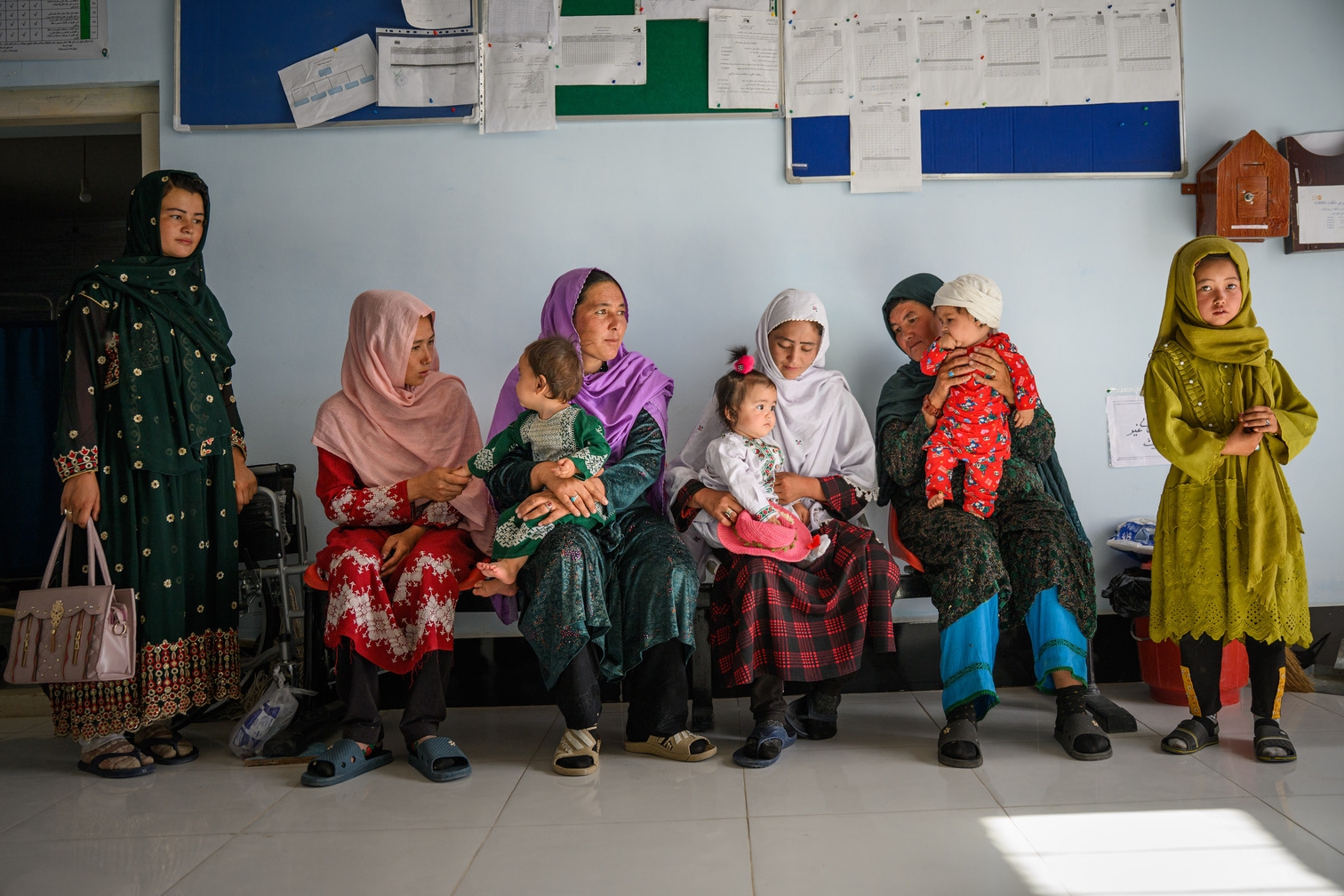
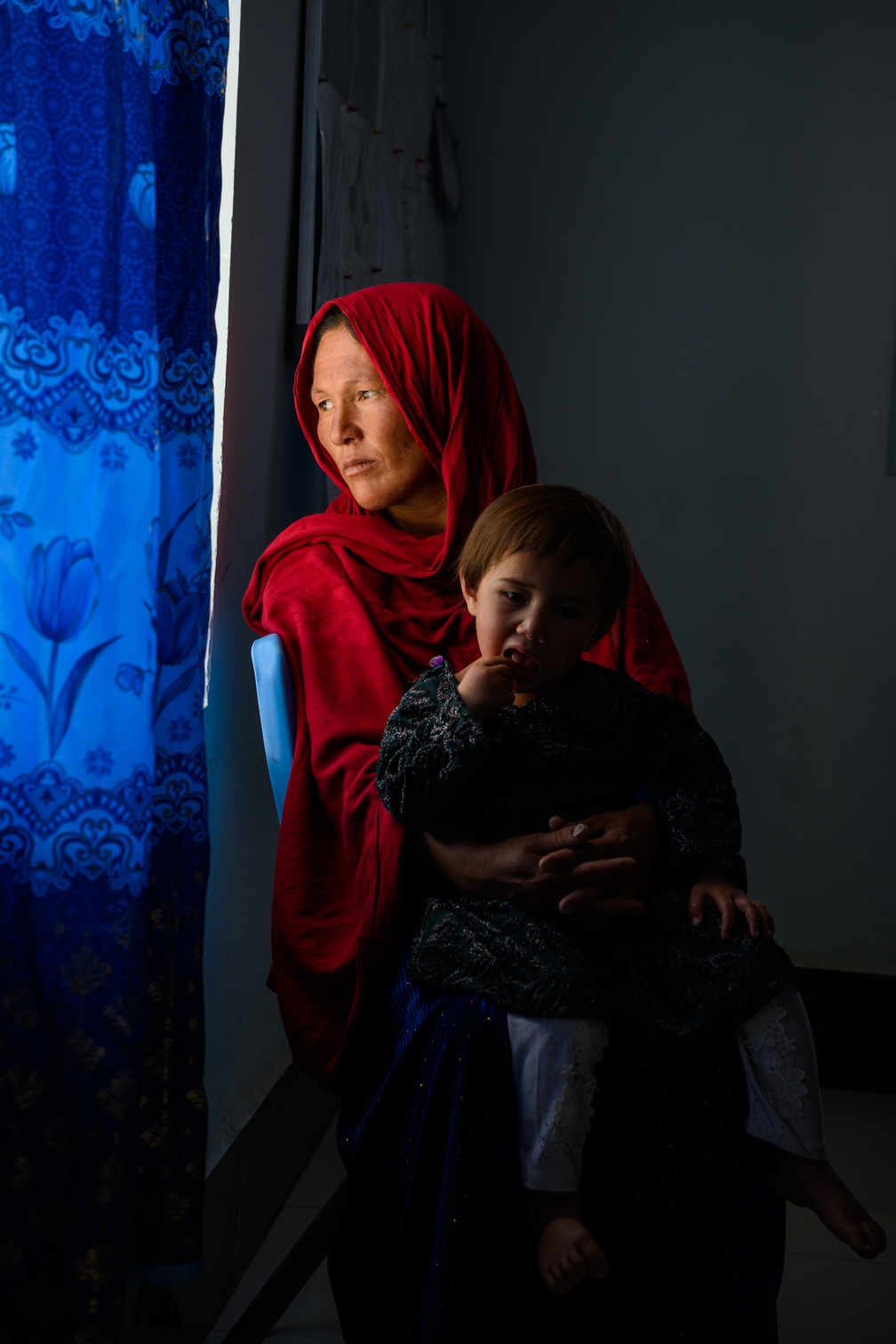
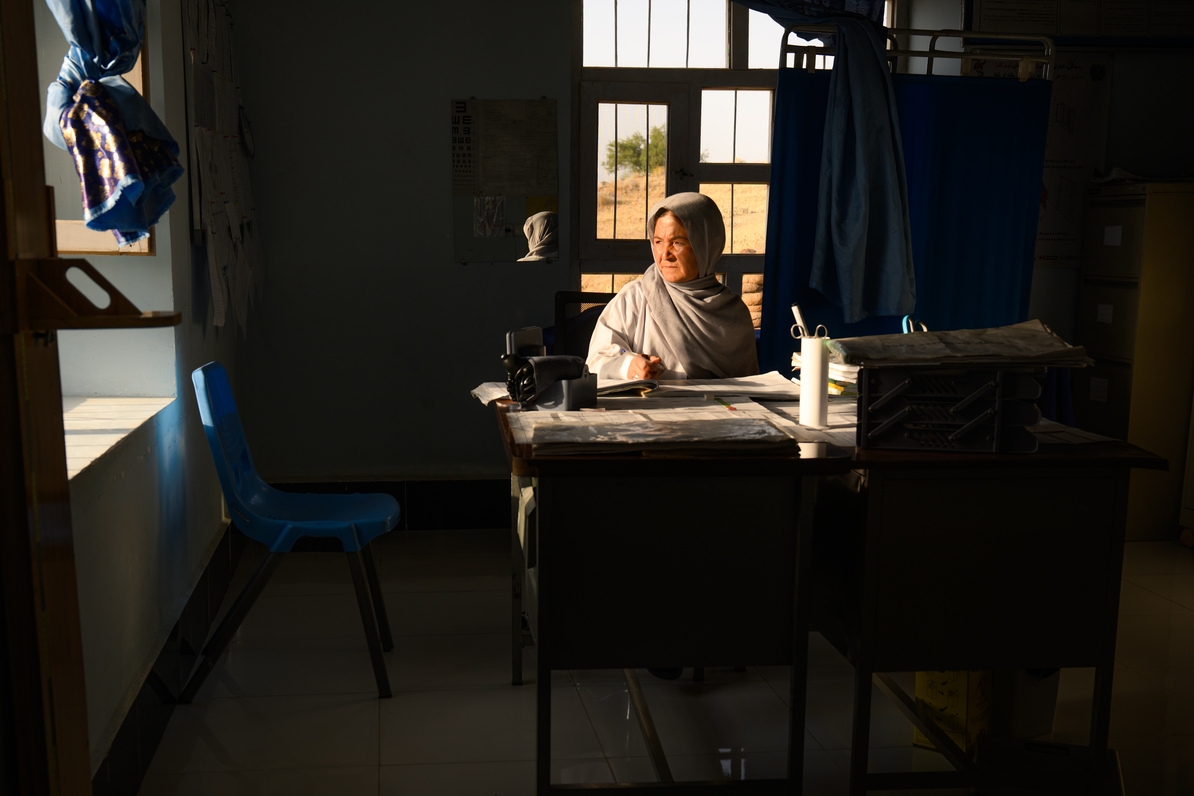
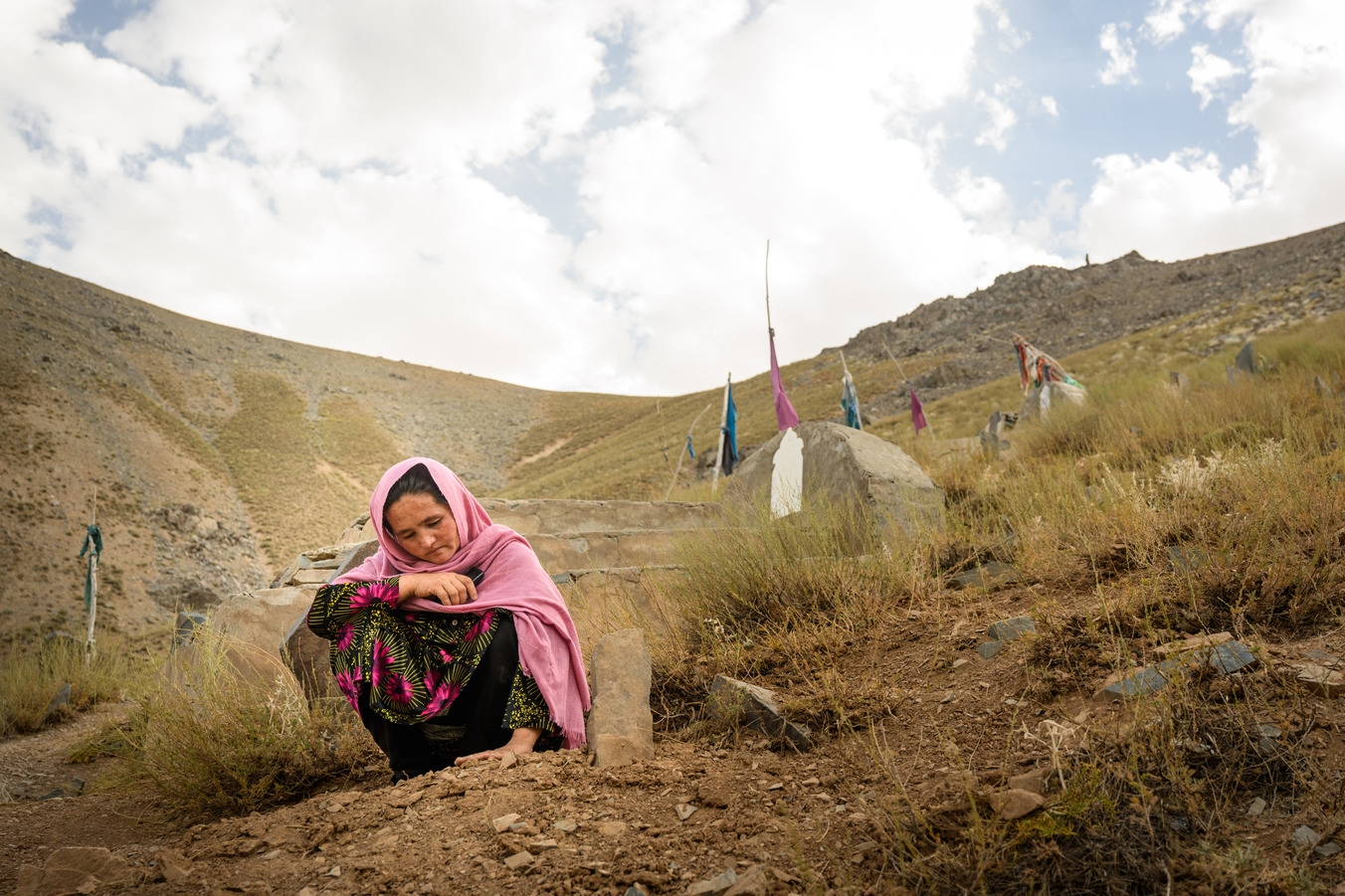
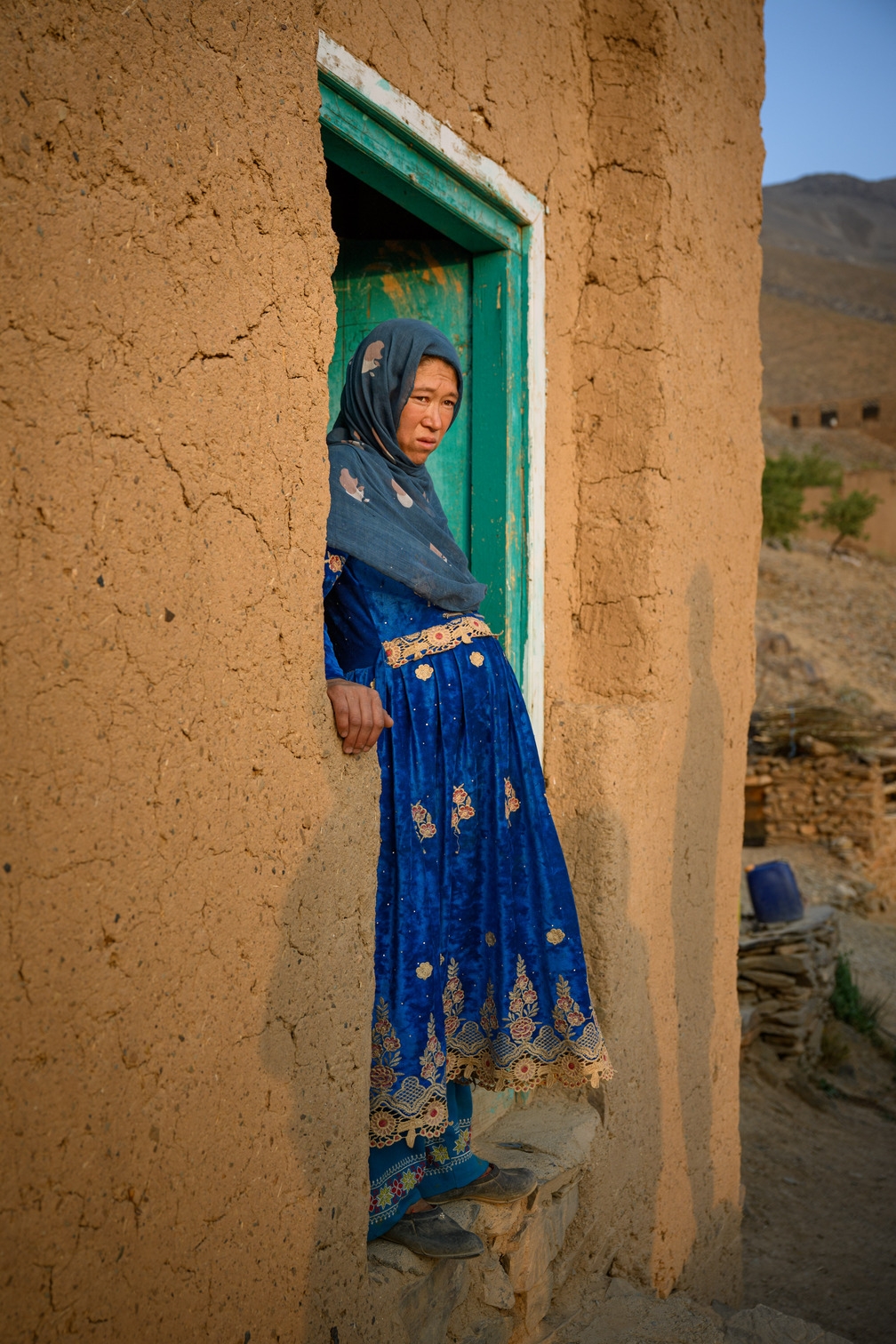
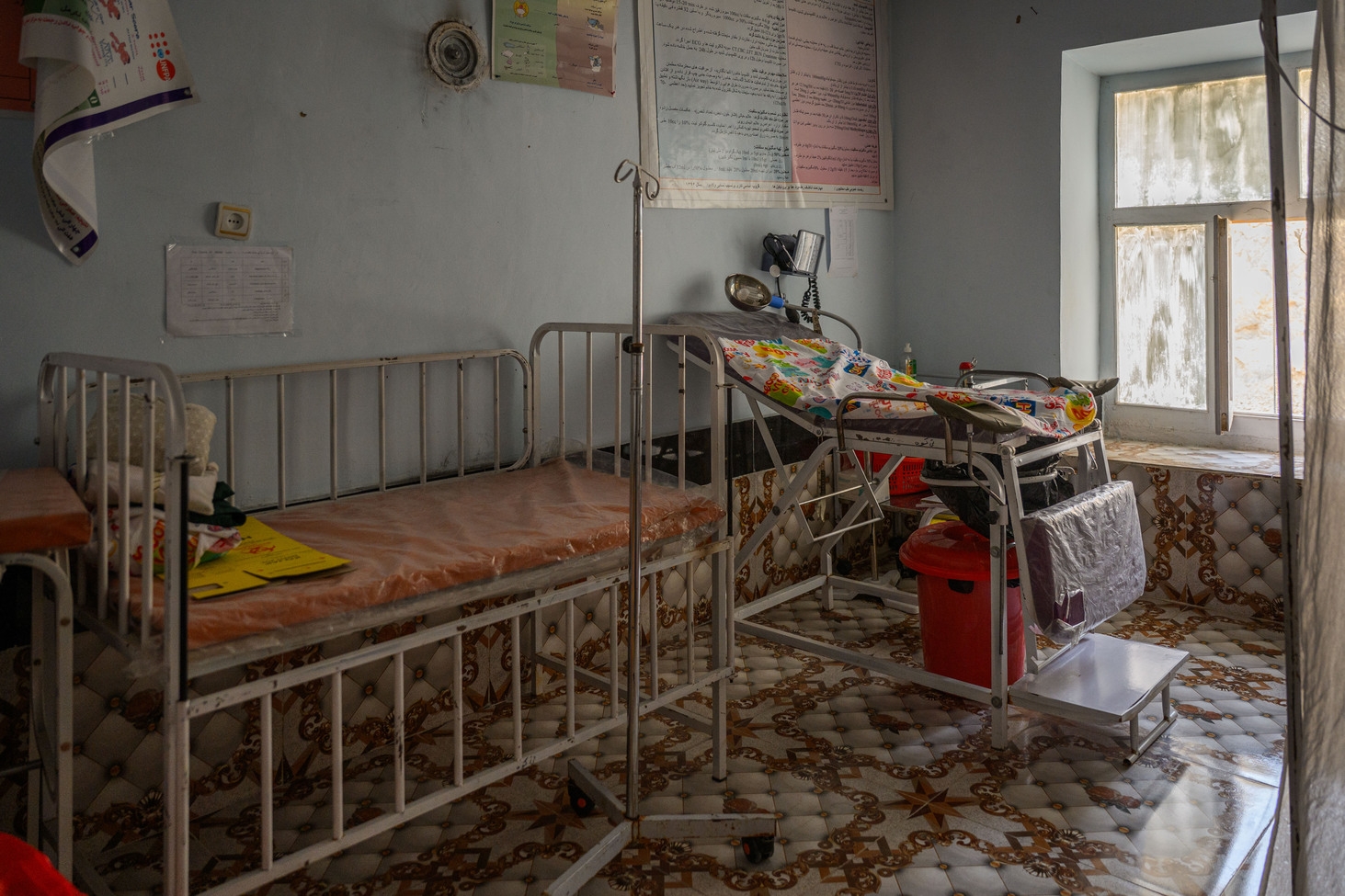
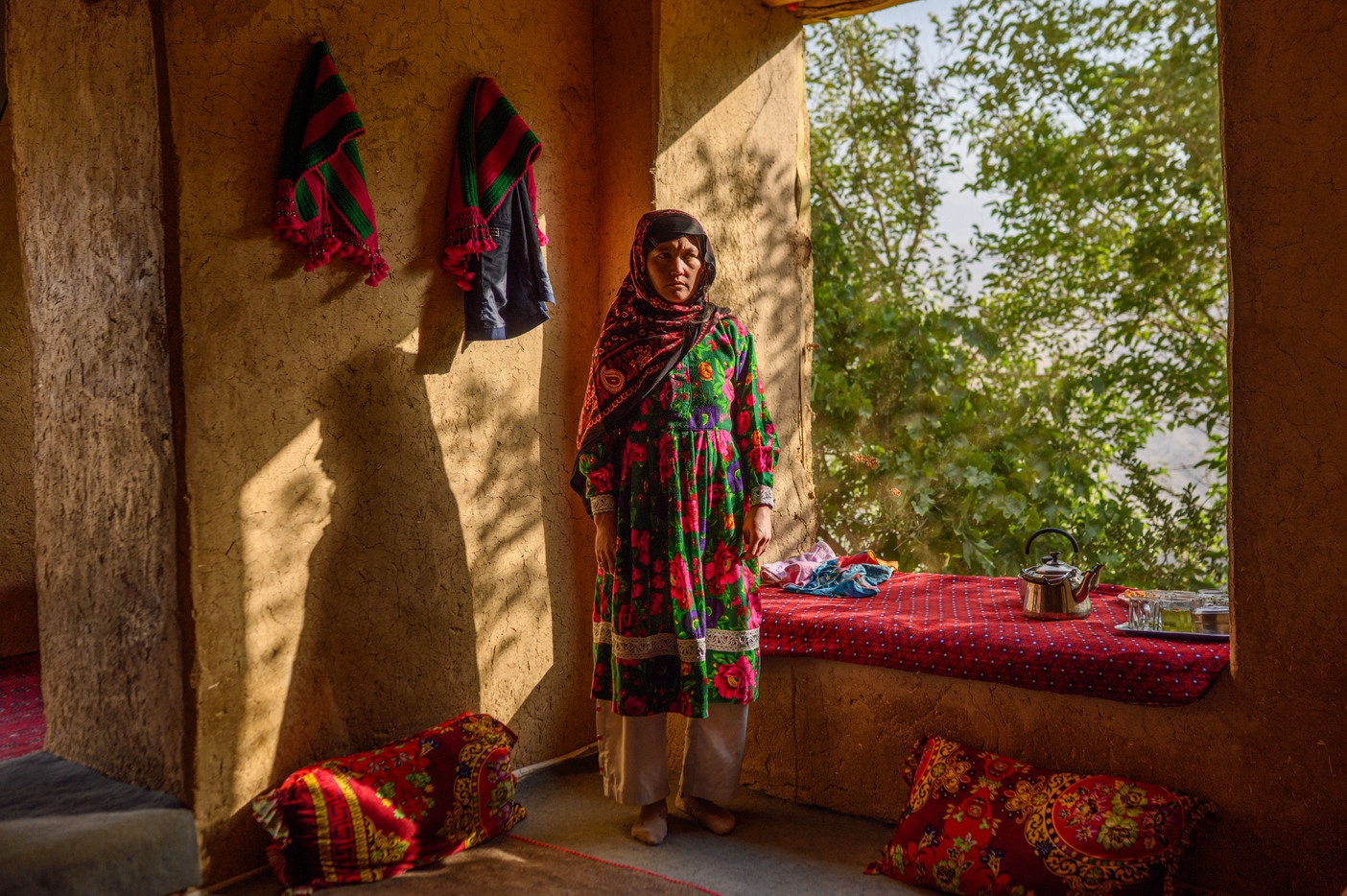
Last year, the United States’ slashing of humanitarian funding for Afghanistan led to the suspension or closure of 422 health facilities. The series I shot and wrote for TIME in July documents the impact on women’s access to healthcare in Daikundi province. In villages, pregnant women could no longer access midwives to give birth safely. In some areas, midwives continued to work without salaries. Several women had already lost unborn children. Others lived in fear of having to give birth at home. One man had lost both his wife and newborn after it took them over 12 hours to reach a hospital.
Bio
Elise Blanchard if a French freelance photojournalist and writer who was based in Afghanistan for seven years, focusing mainly on the impact of conflict on women and girls, as well as the Taliban.
She worked for AFP's Kabul bureau for two years, covering the Fall of the country in 2021.
She is a regular contributor to Getty Images and has in areas ranging from Ukraine to rebel-held Myanmar.
Her work has been published in outlets such as TIME Magazine, The Washington Post, The New York Times, The Wall Street Journal, Le Monde, Die Zeit, Guardian, Figaro, and others.
Awards
World Press Award (Story) - 2026
UNICEF Photo of the Year - 2025