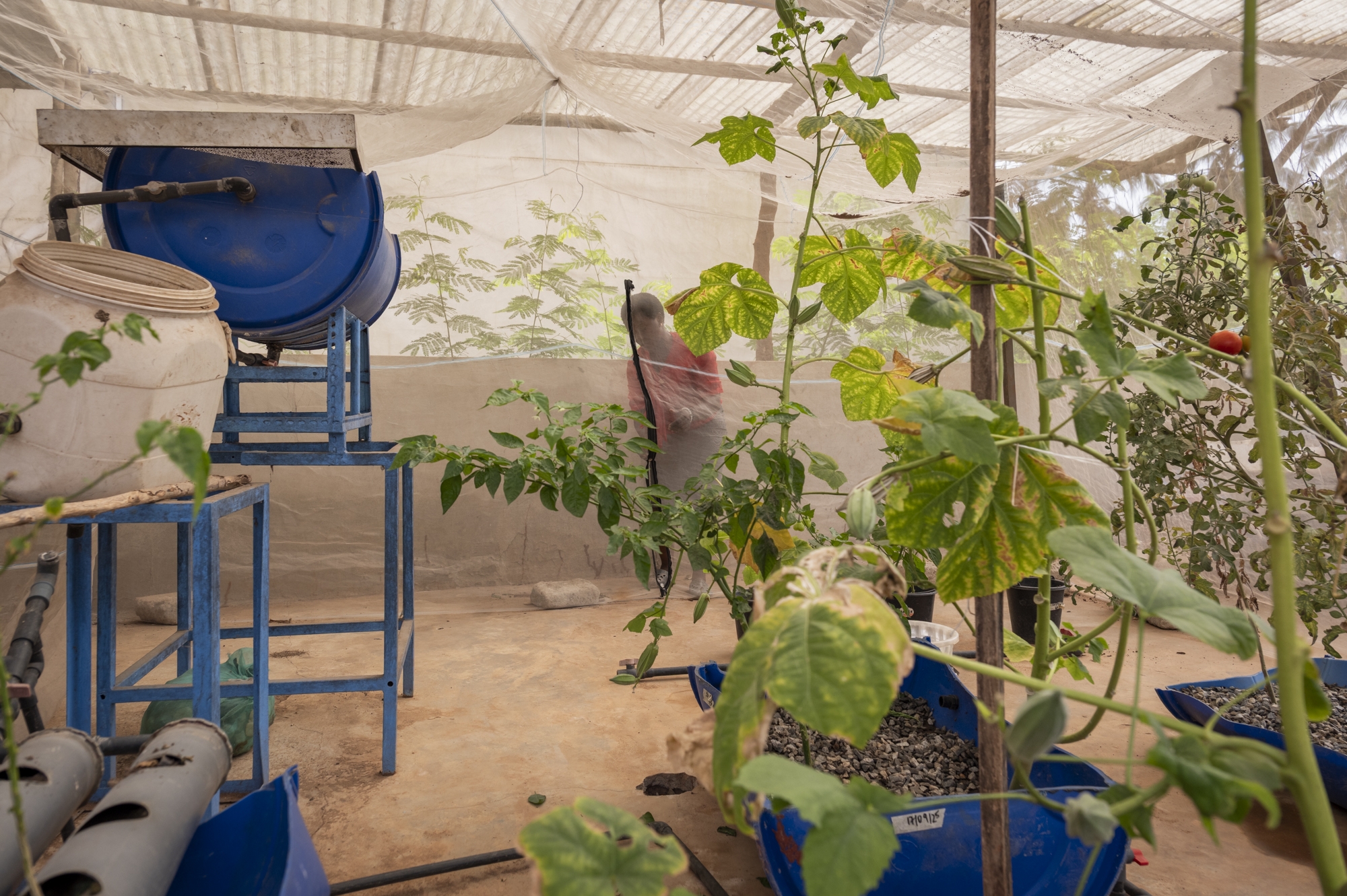
Insects to Feed The World
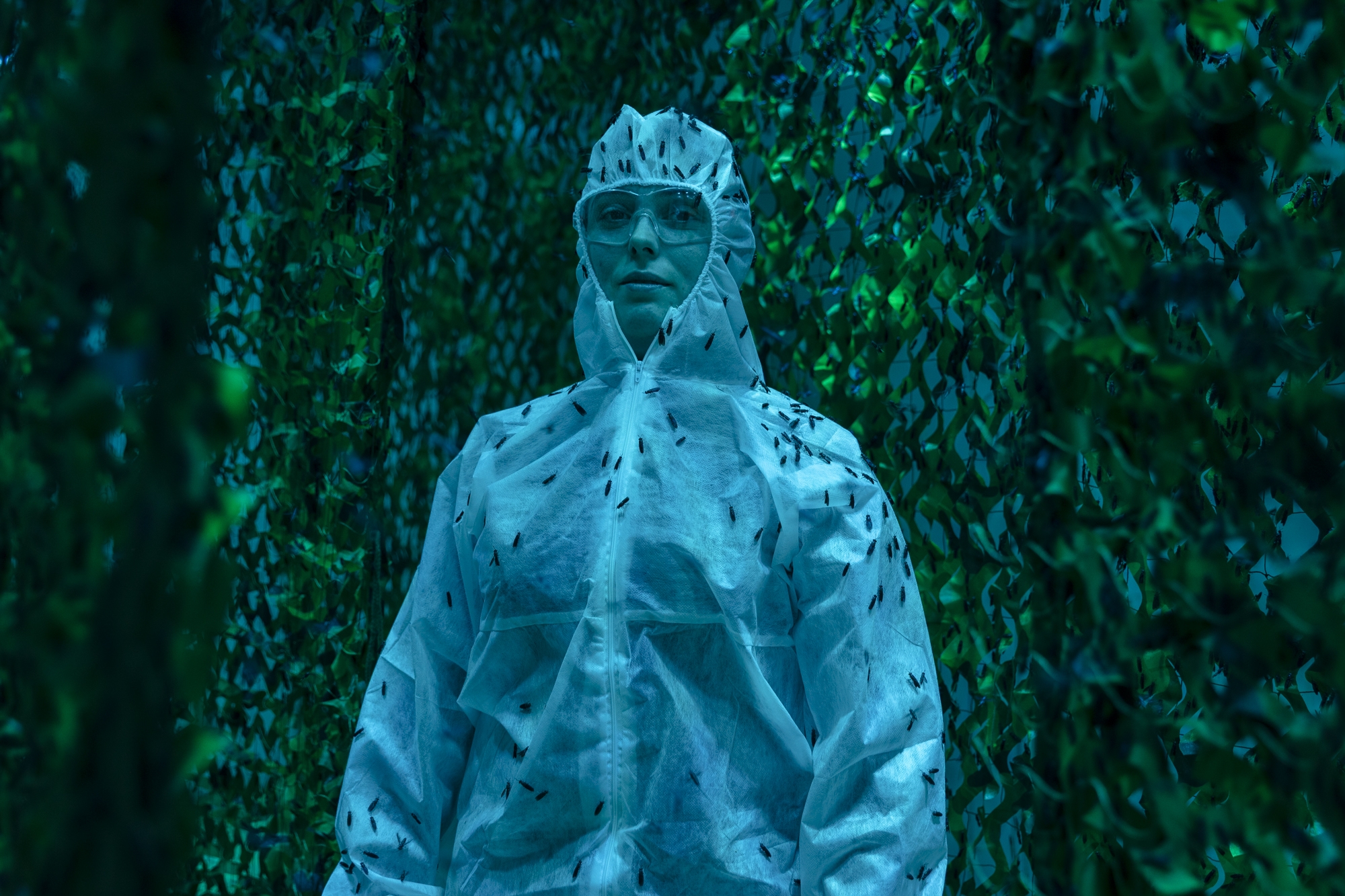
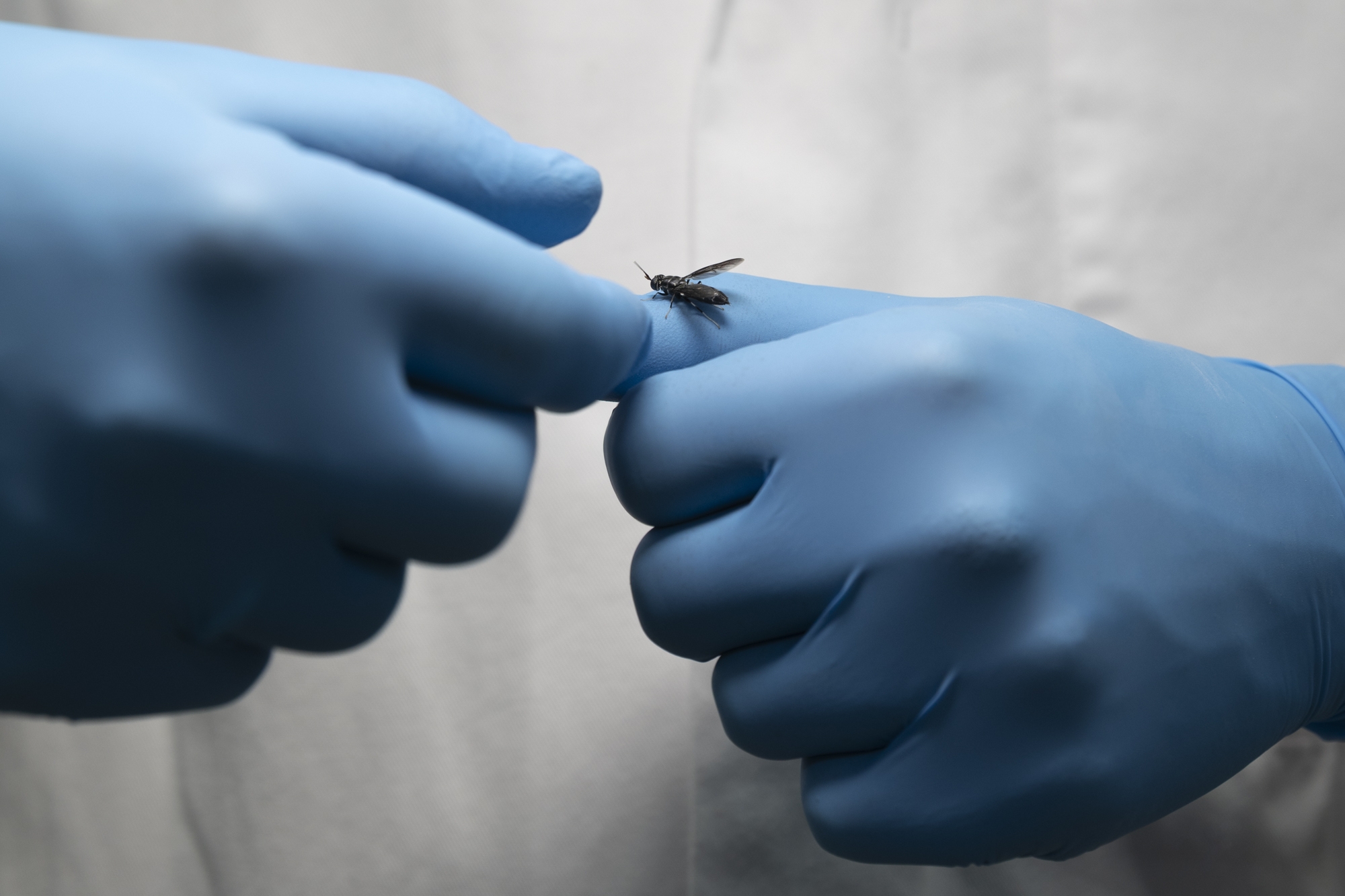
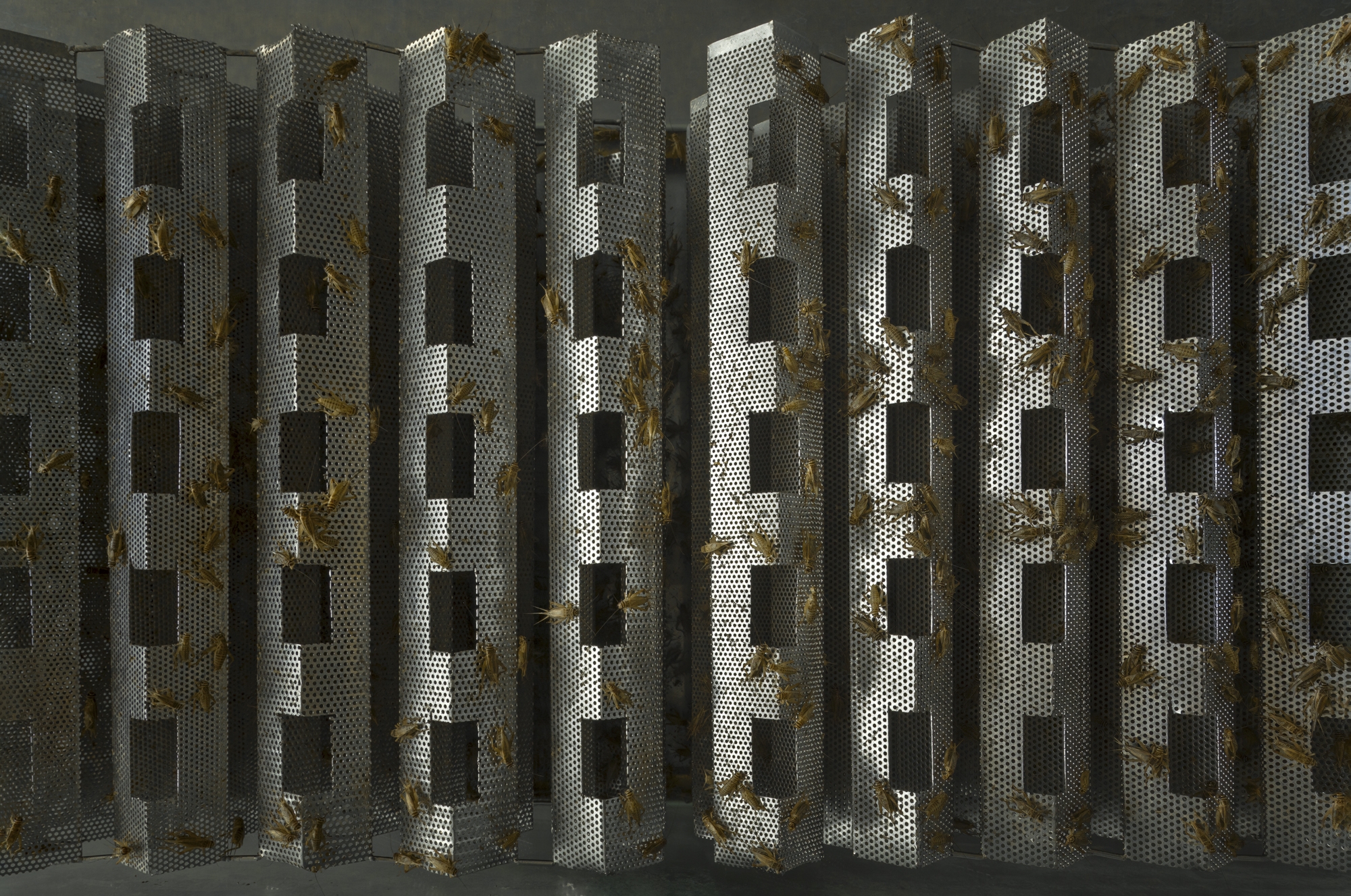
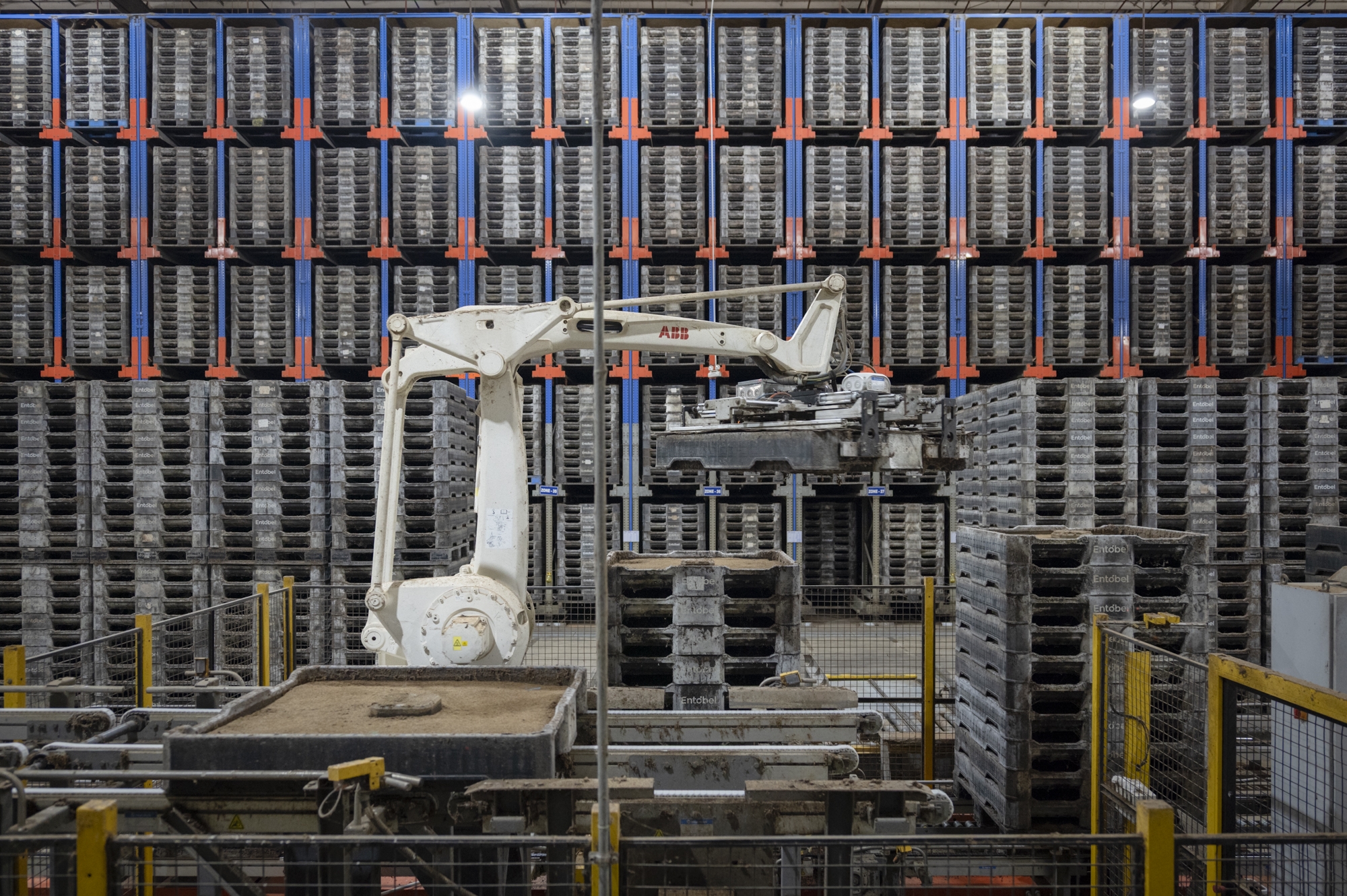
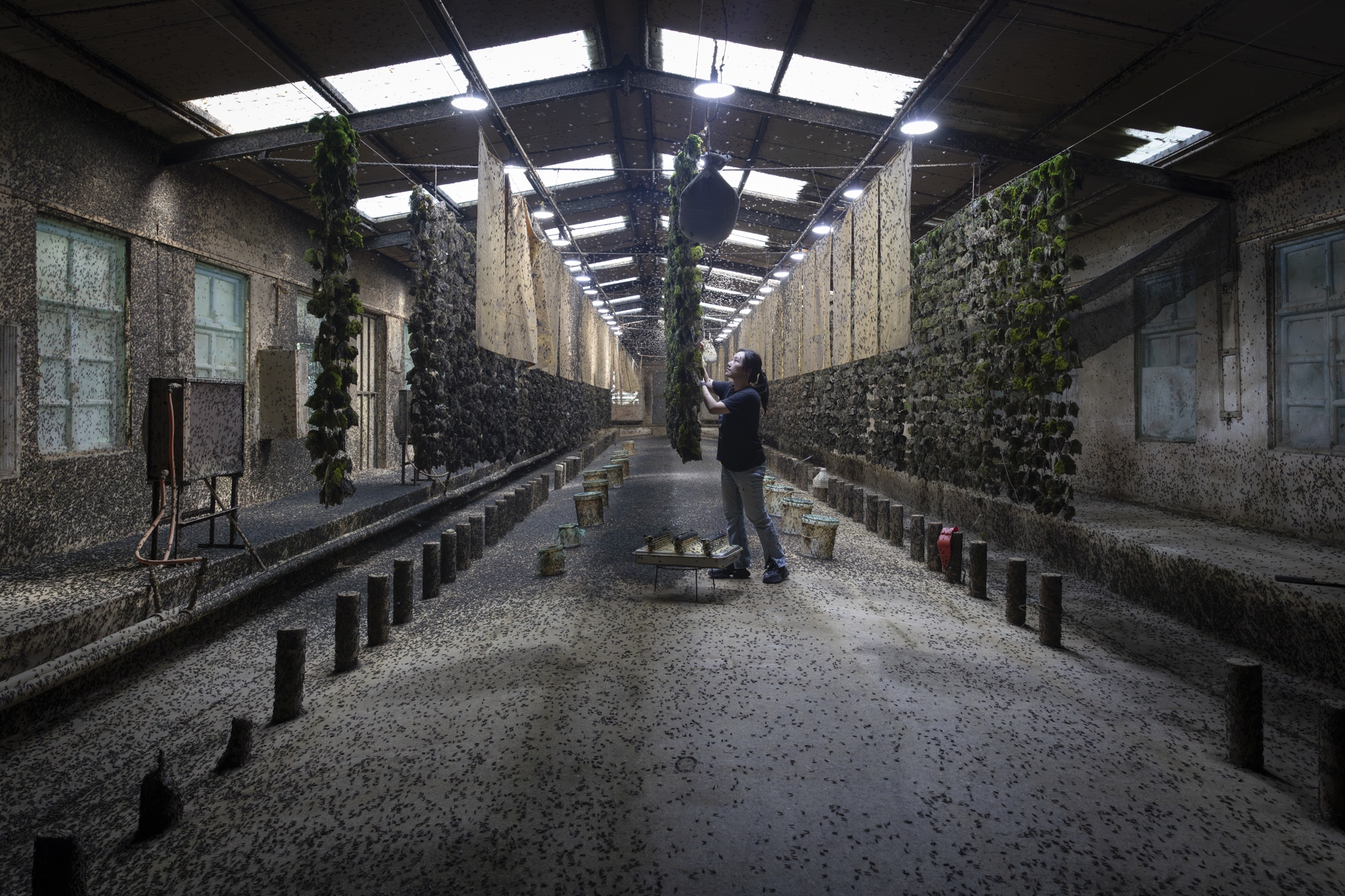
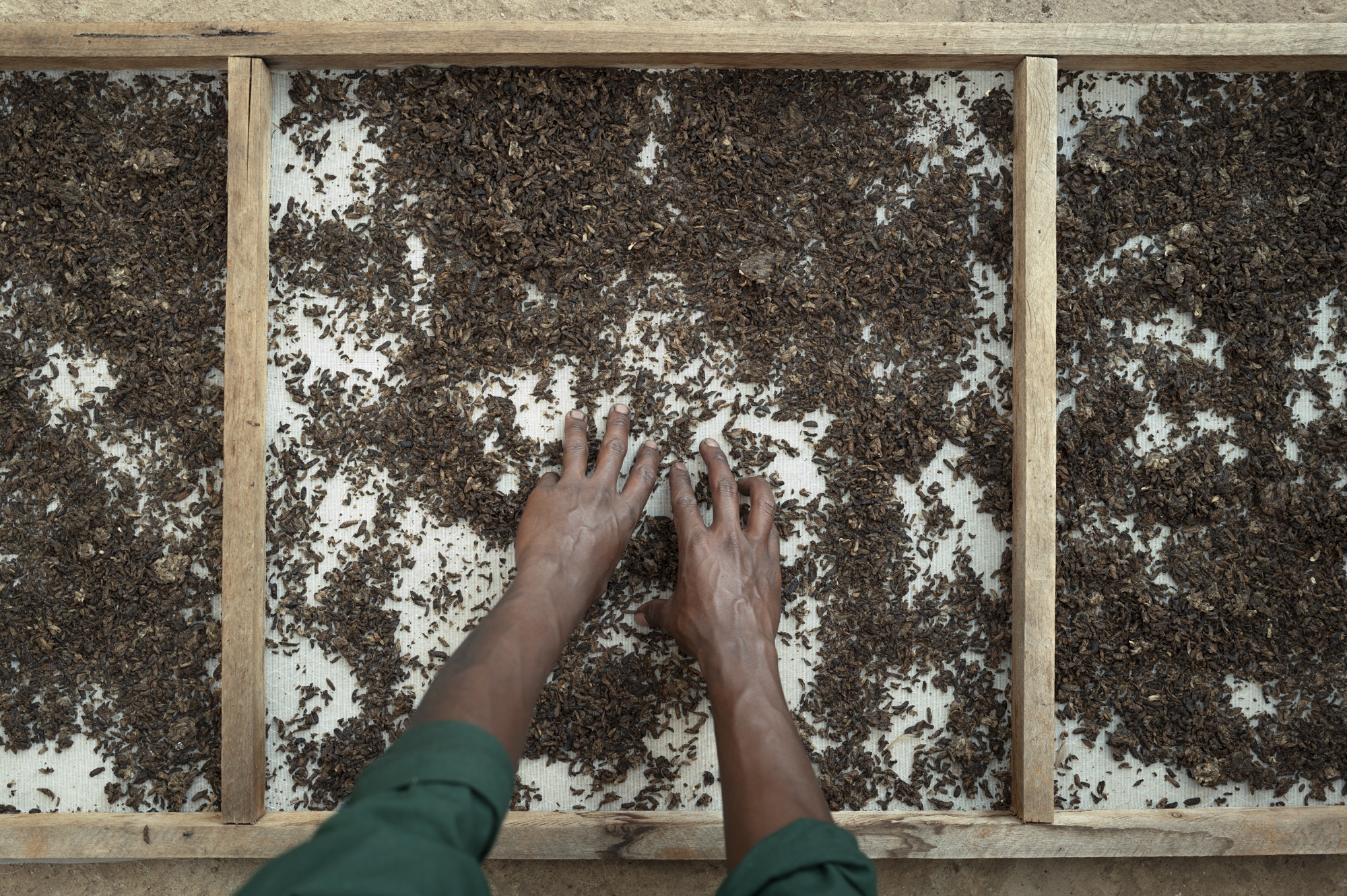
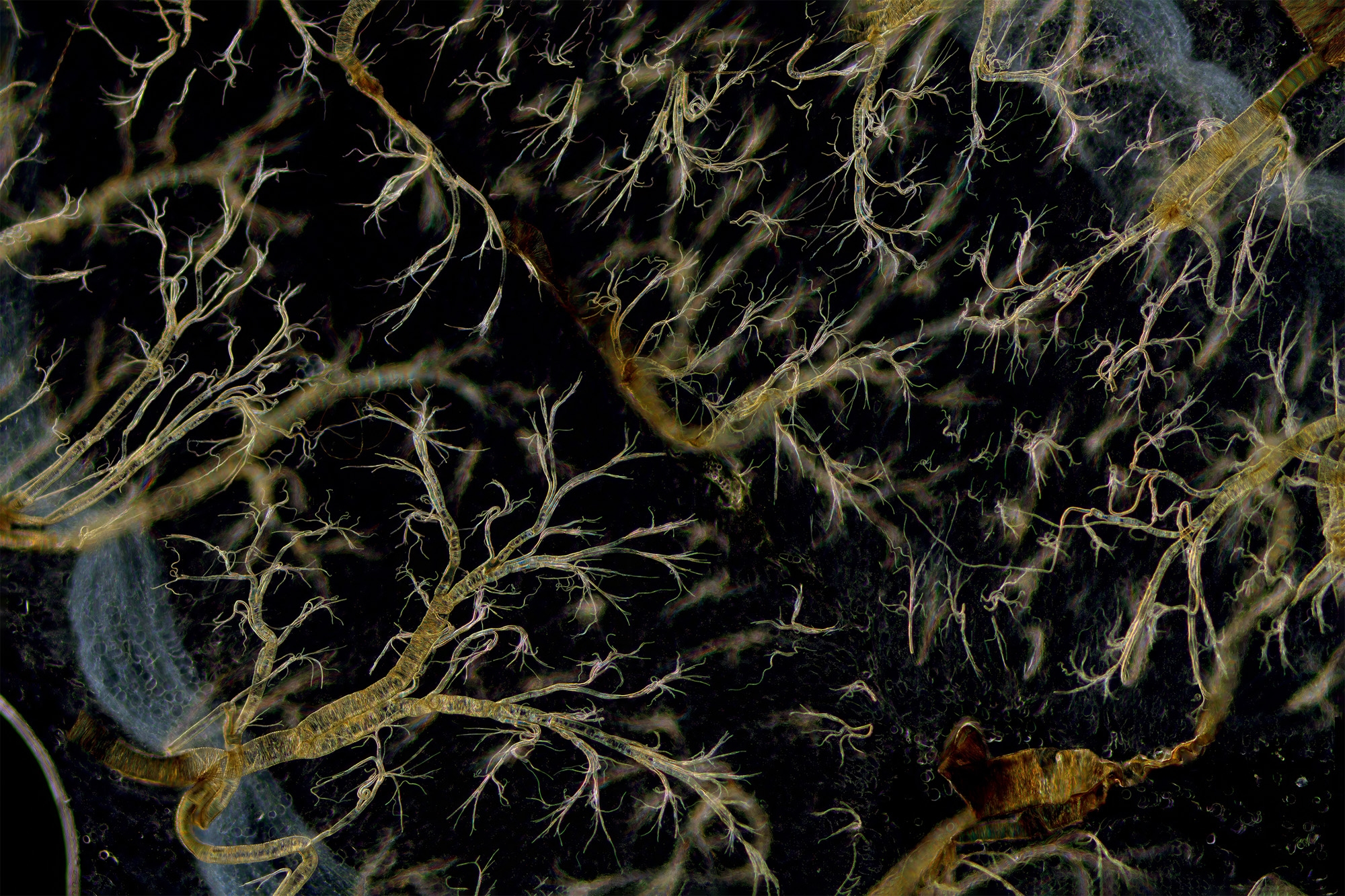
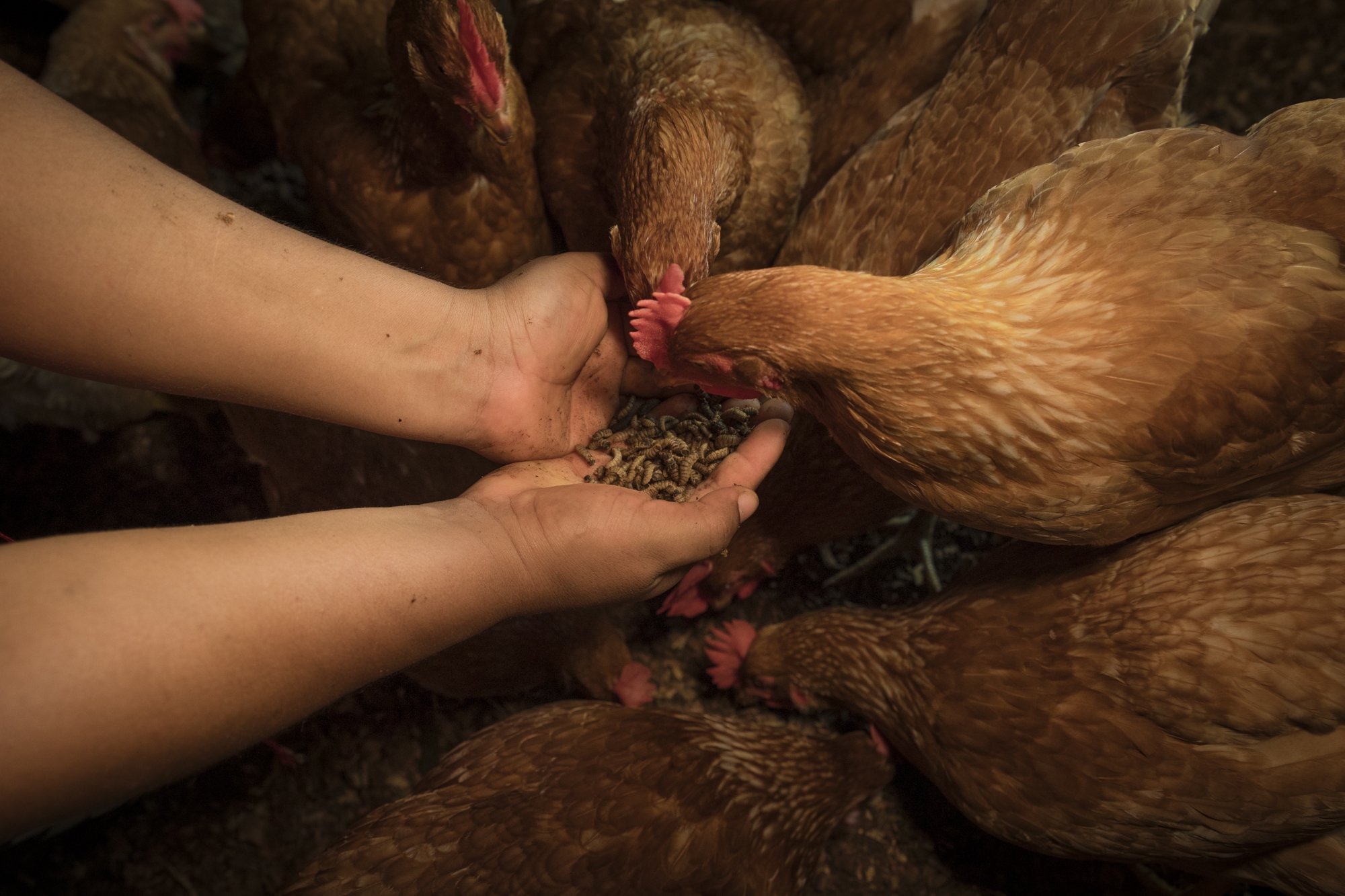
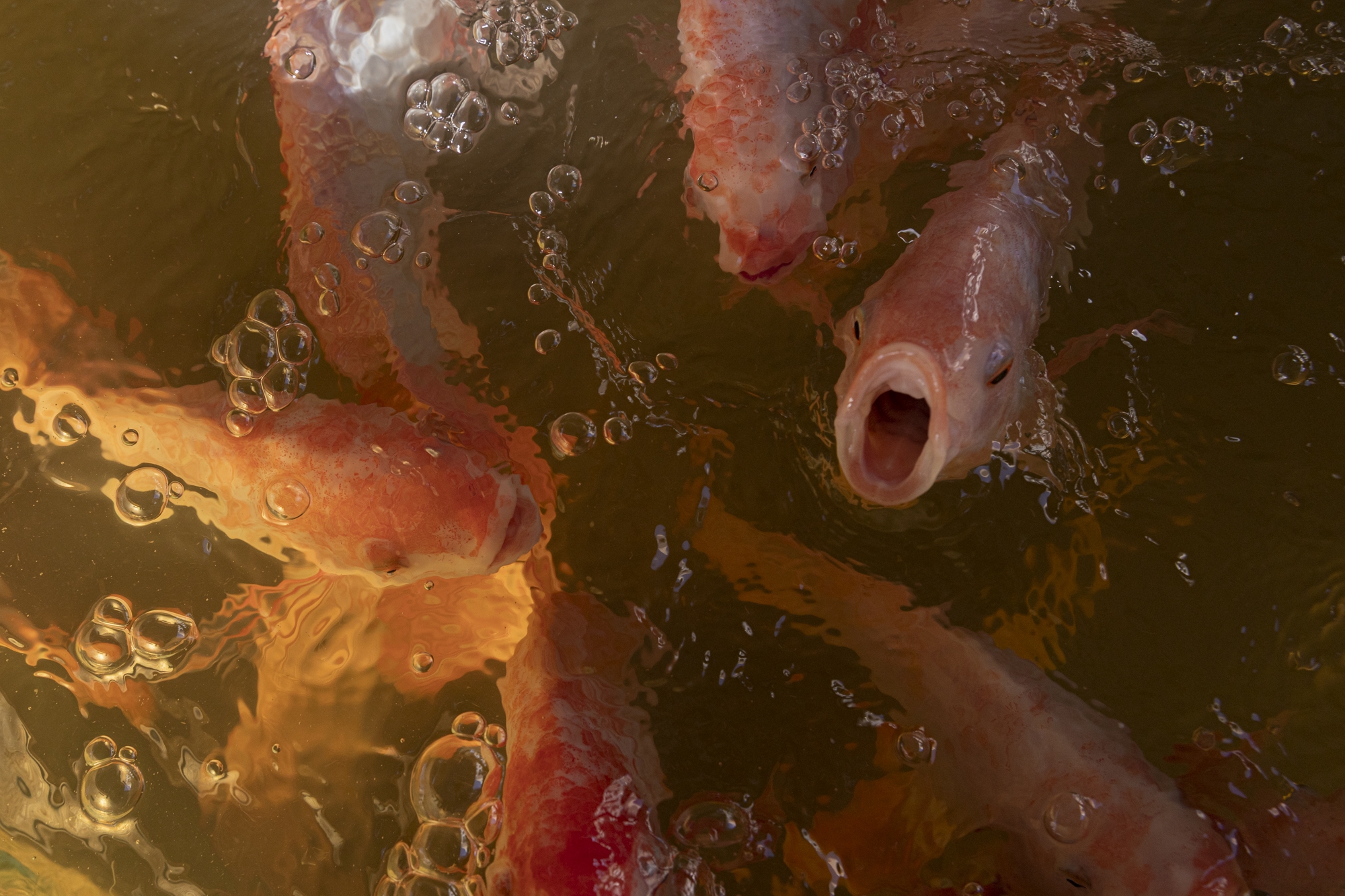
I N S C T S is a global documentary project investigating how insect farming redefines value within systems shaped by inequality and environmental pressure. By converting organic residues into animal feed and natural fertilizers, insect farming can reduce pressure on land and water resources while supporting soil health and crop growth. In tropical rural regions, it can also reduce small farmers’ reliance on costly inputs, reshaping local access to food production. I N S C T S examines both the scientific basis and the social and environmental impacts of this regenerative practice.
Bio
Umberto Diecinove (b. 1978, Italy) is a photographer and author with a background in Literature and Philosophy, specializing in poetry. His work combines research-driven inquiry with a structured visual approach.
His work has been exhibited internationally, including at the Robert Capa Contemporary Photography Center (Budapest), the Noorderlicht Biennial (The Netherlands), the Muséum pour la Biodiversité et l’Environnement (Orléans), Yeast Photo Festival (Italy), Horizonte Zingst Festival (Germany), Centro de Arte Naves de Gamazo (Santander), and Glass Box Gallery (Santa Barbara).
Awards
I N S C T S is my first long-term documentary project; all acknowledgments relate to it.
In 2025, I was selected for the Hamburg Portfolio Review and nominated for the Leica Oskar Barnack Award. I was also twice recommended for World Press Photo, and in 2025 shortlisted for the Advanced Review.
In 2024, I received the LE STUDIUM Visiting Artist Award for a residency in France.