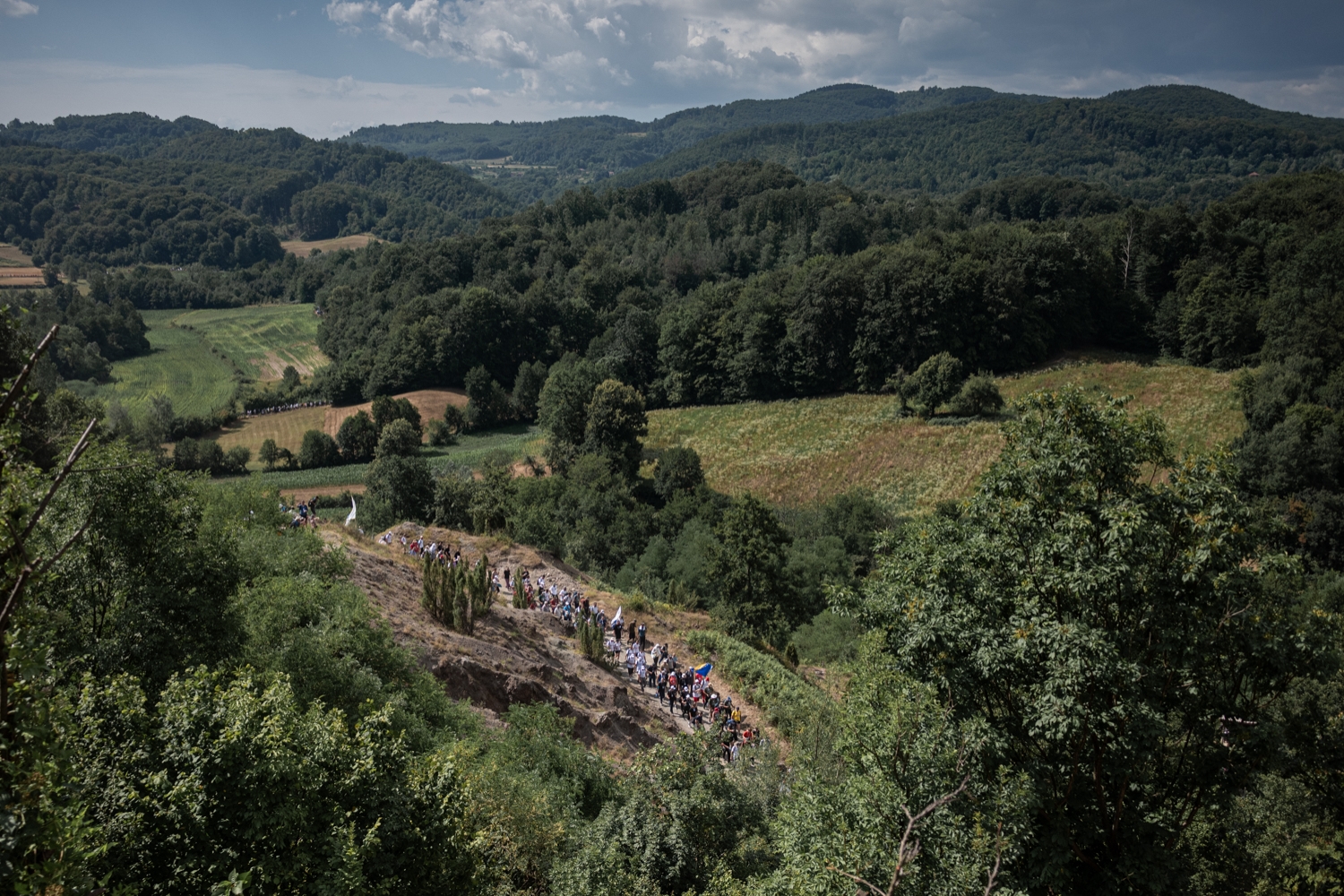
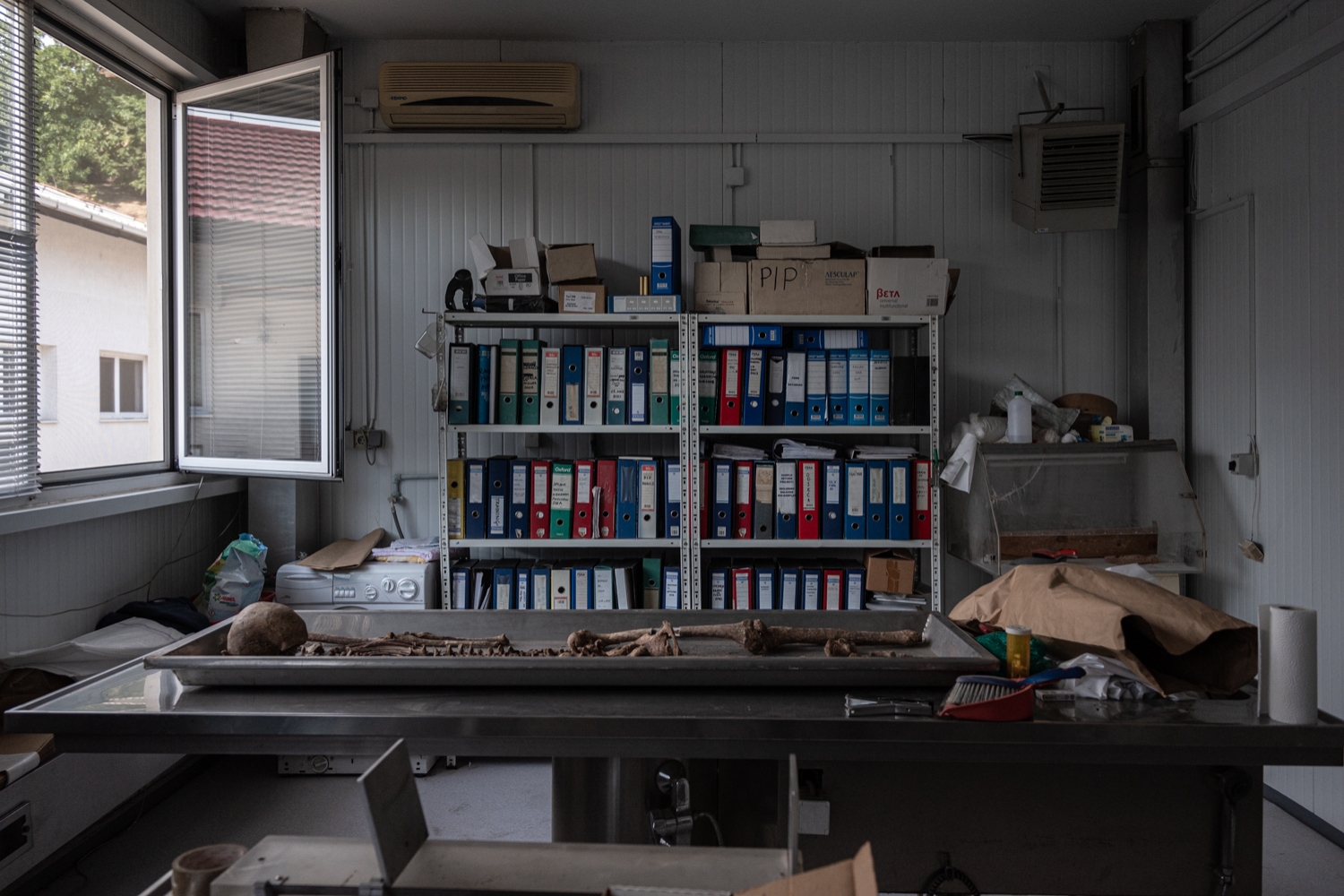
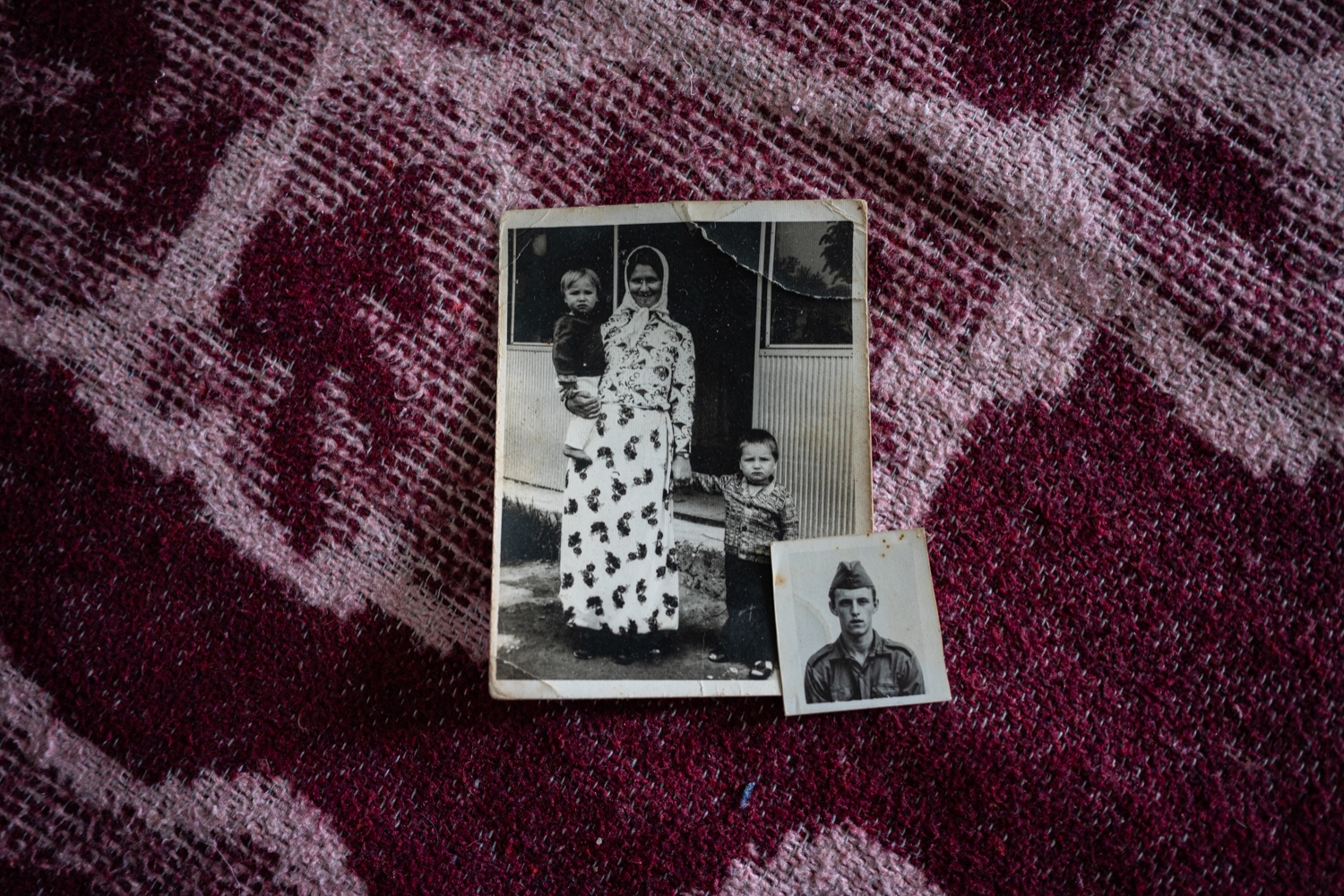
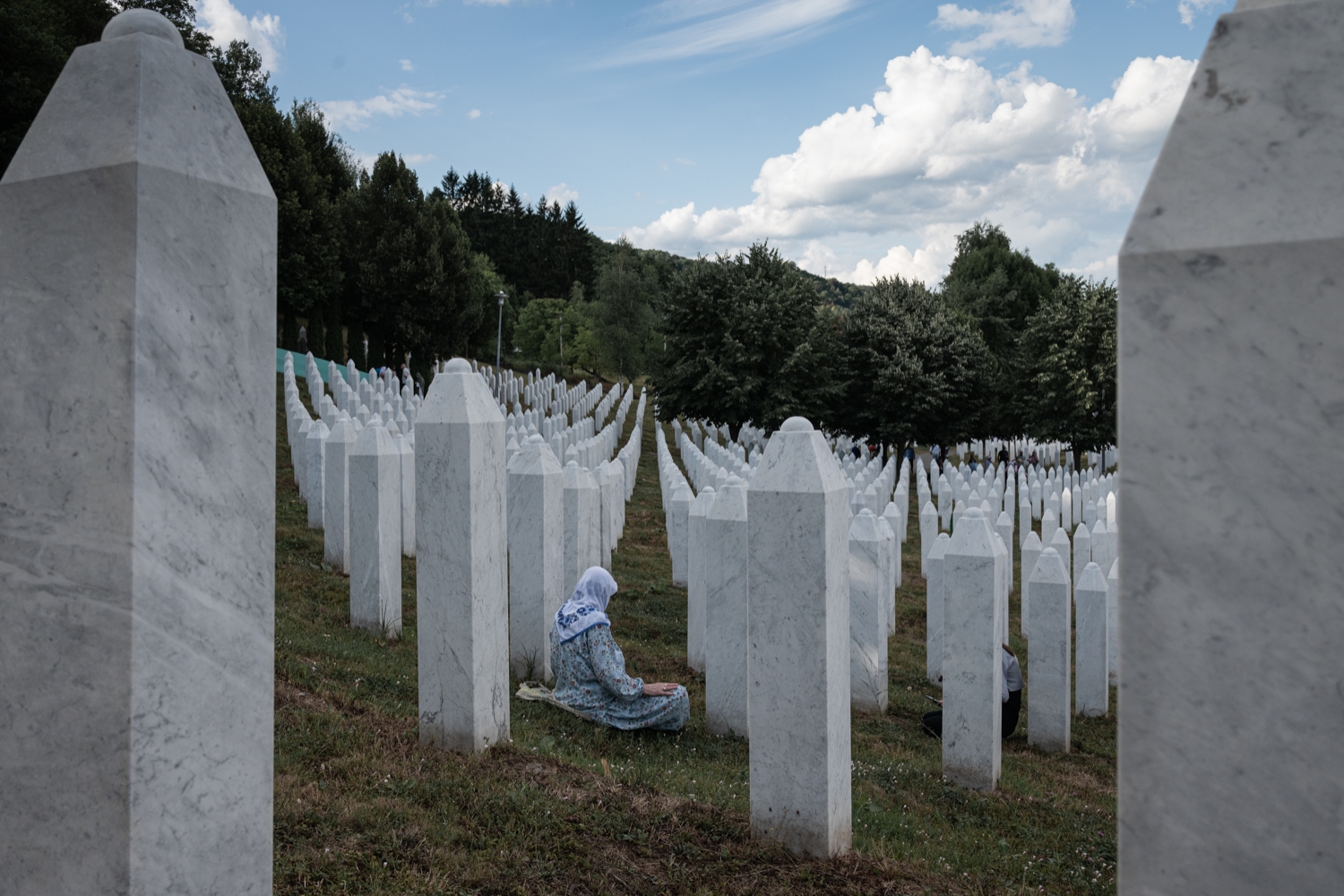
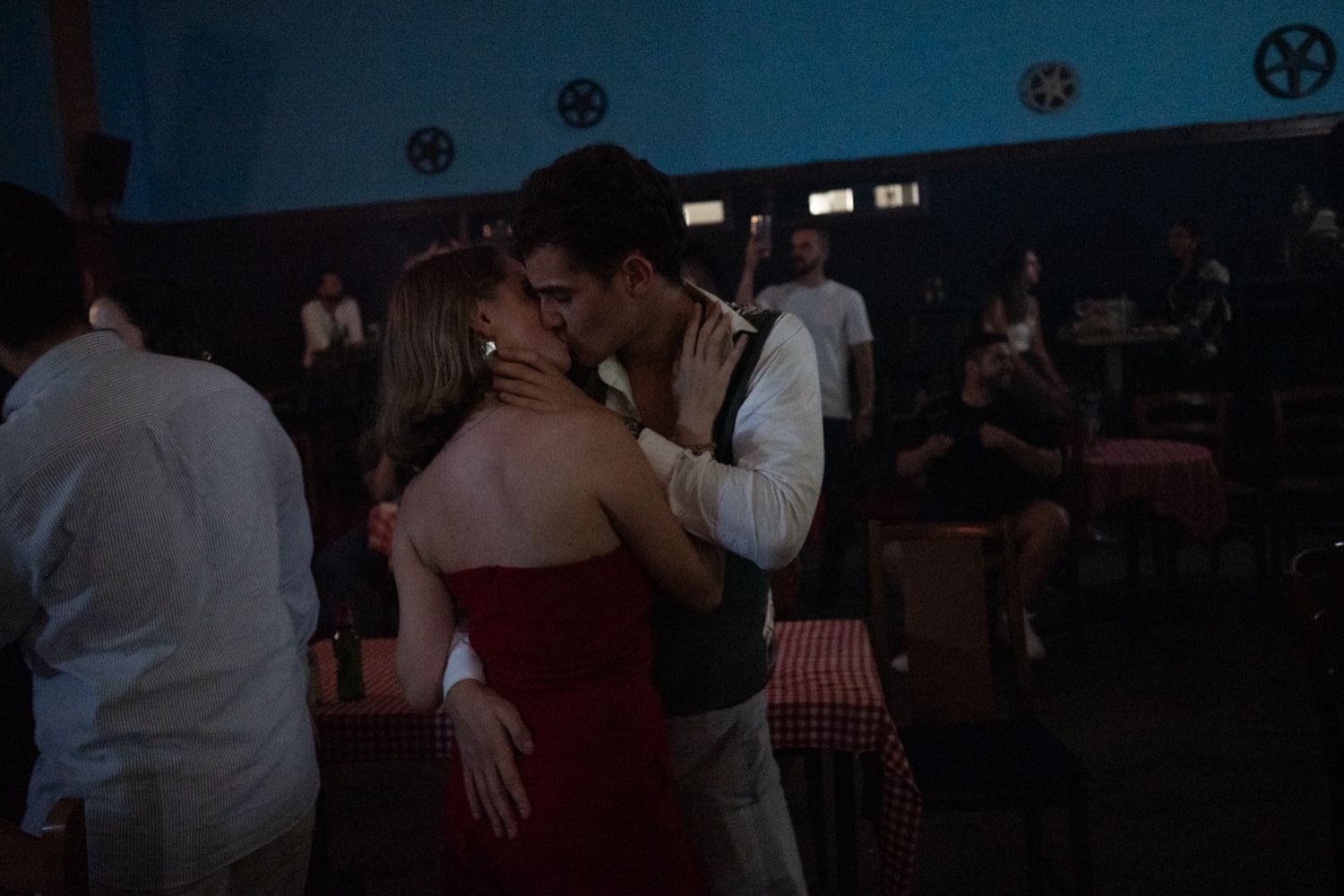
Bosnia, No Man's Land
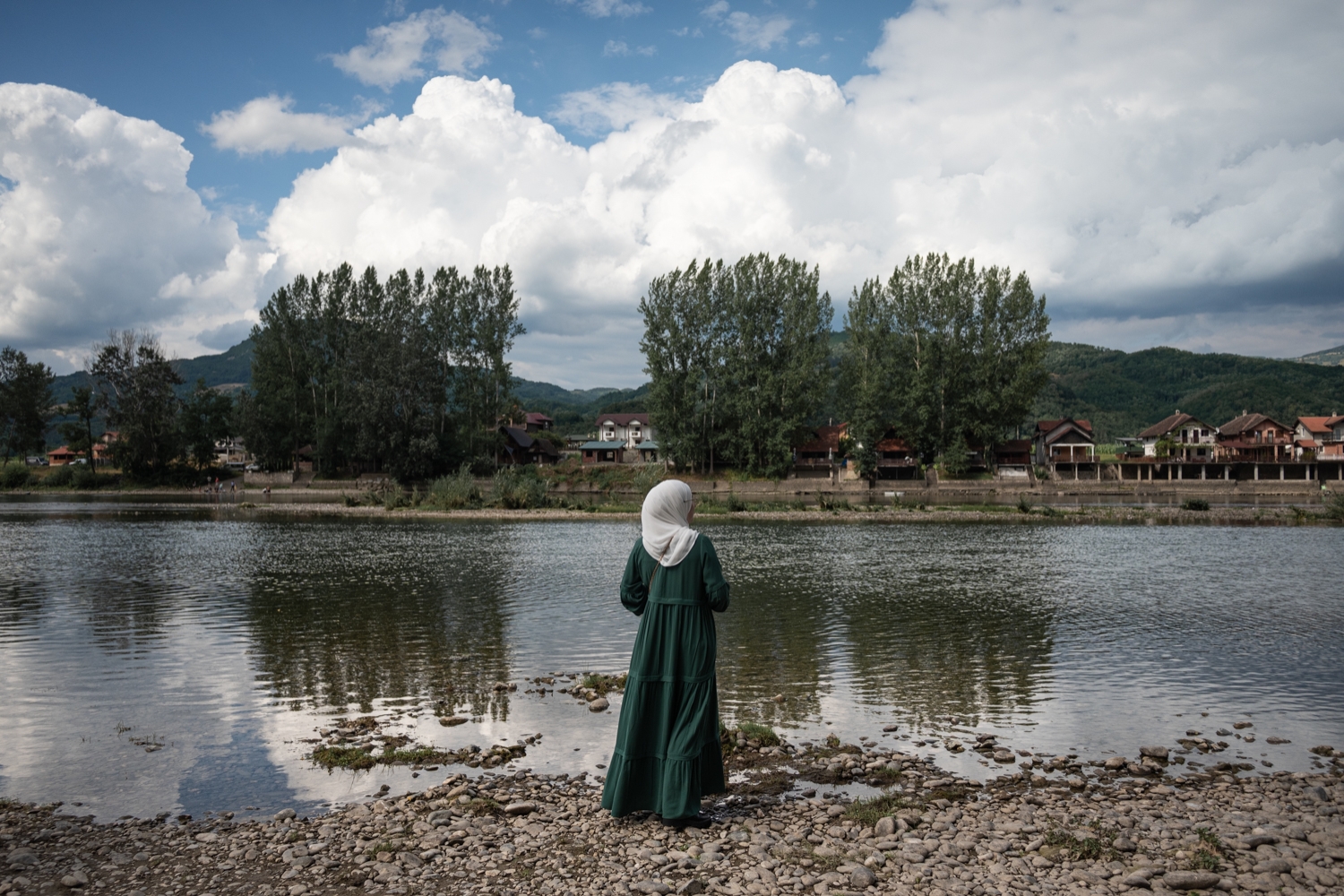
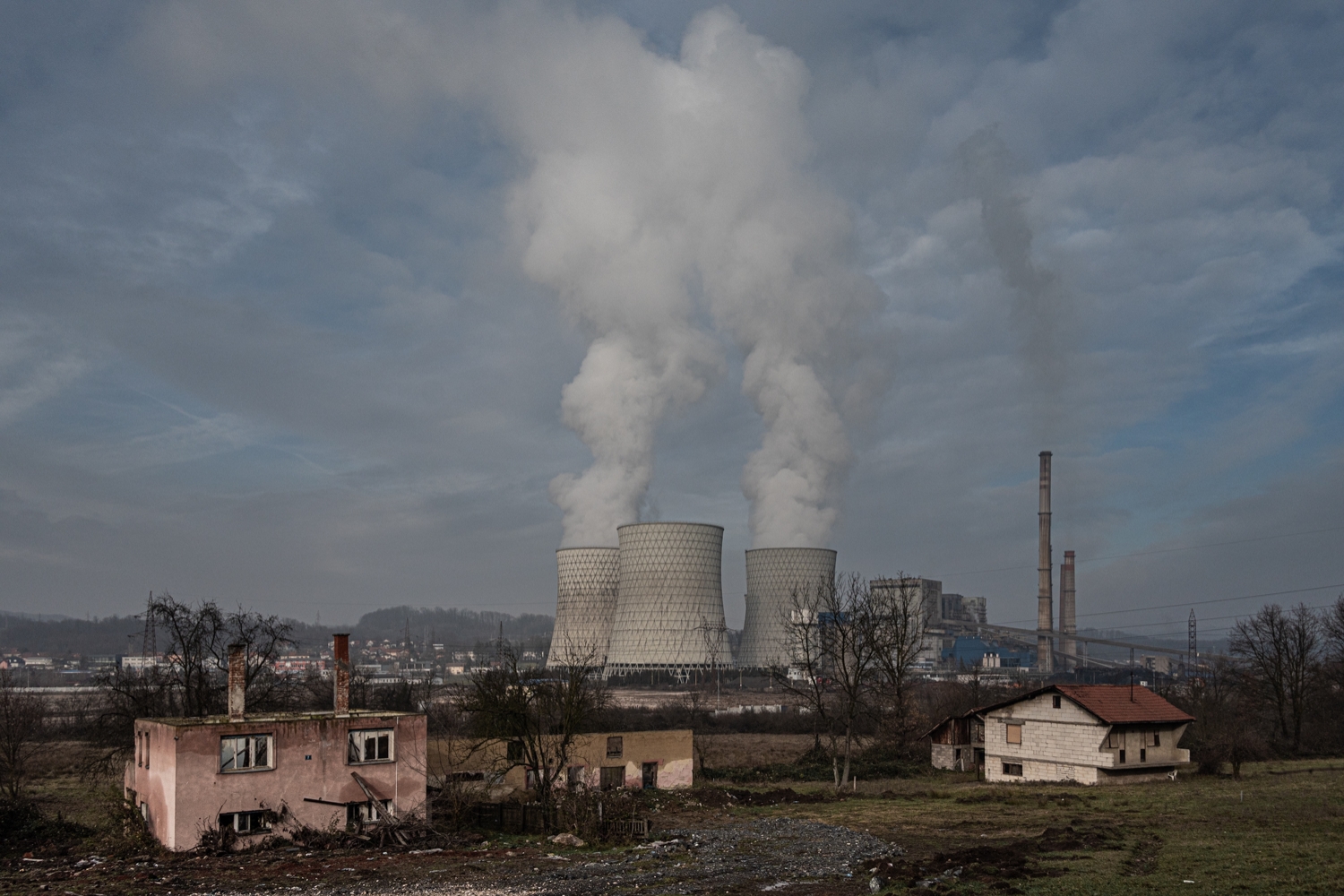
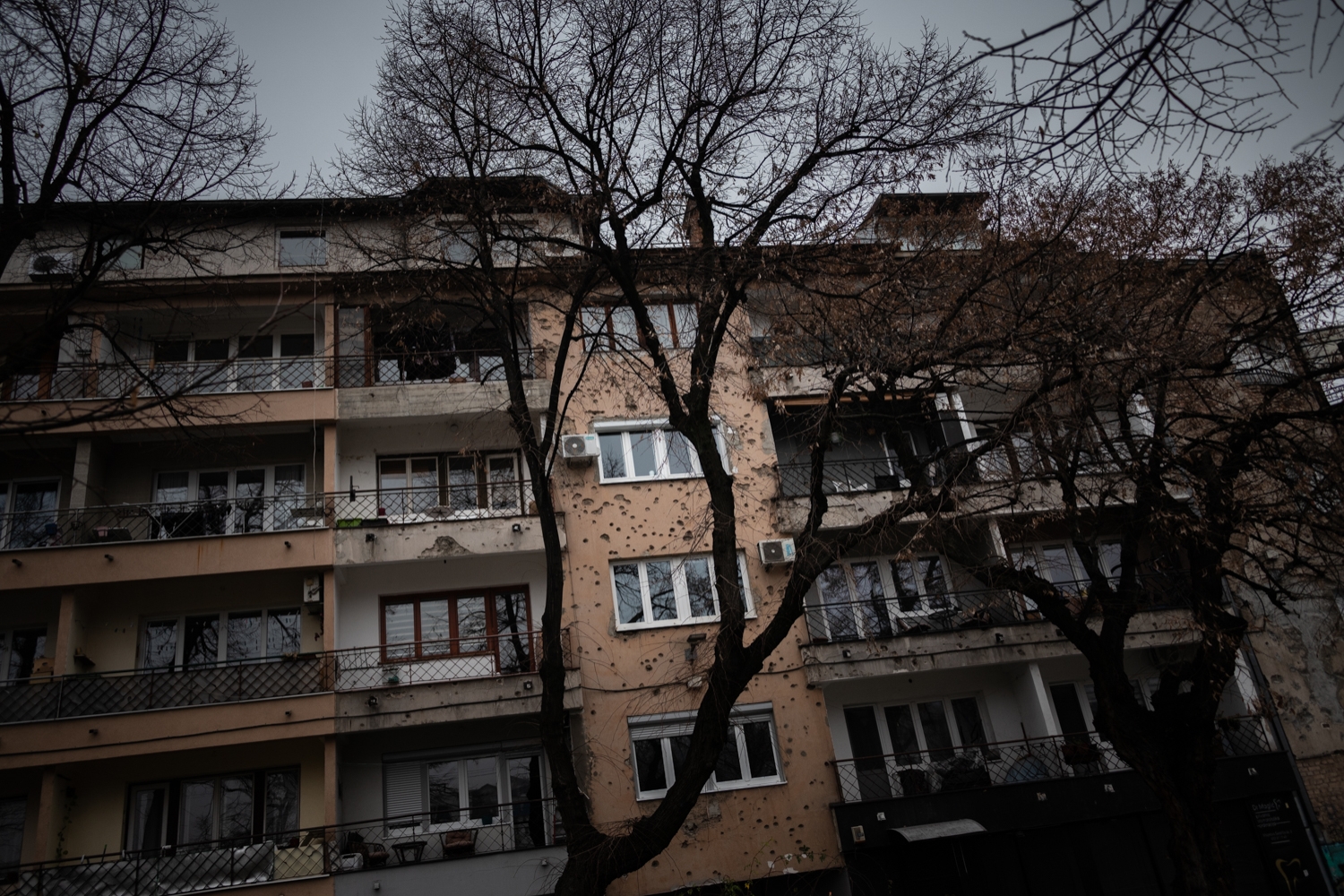
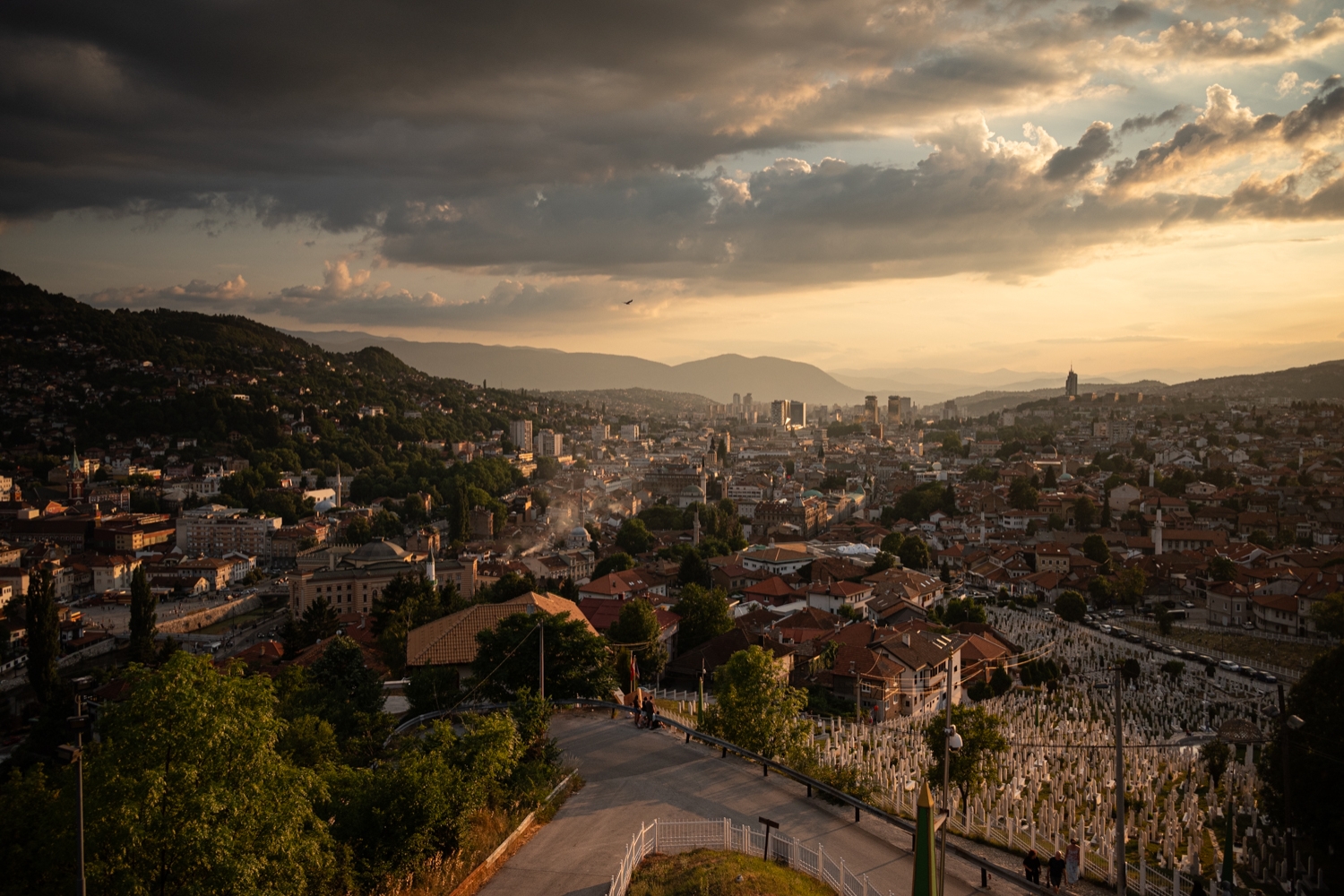
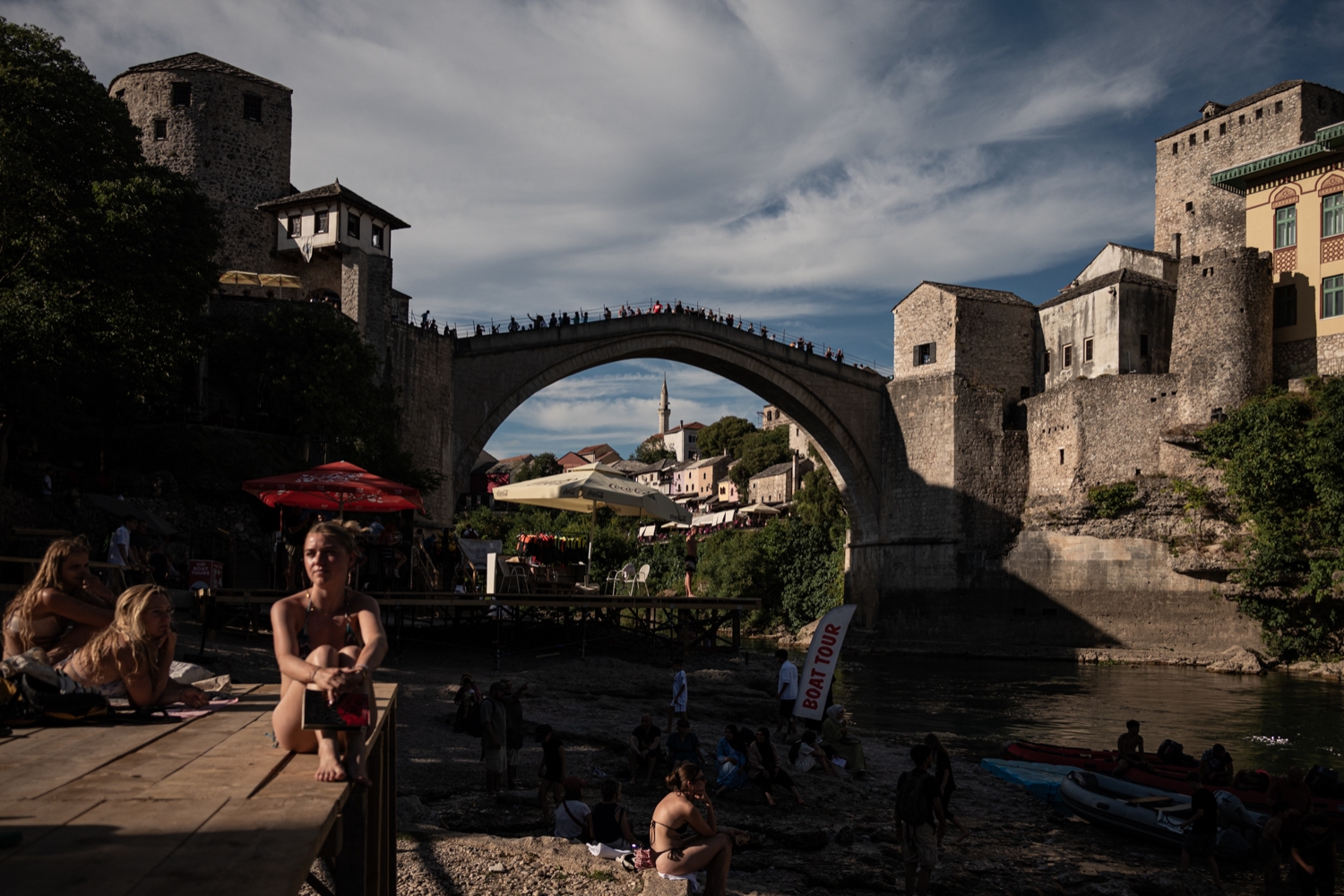
Following the collapse of Yugoslavia after Tito’s death, Bosnia and Herzegovina was drawn into a war (1992–1995) that became one of the deadliest in Europe since World War II. The 1995 Dayton Peace Accords, brokered by the United States, ended the conflict and established a complex, fragile institutional framework designed to balance Serbs, Croats and Bosniaks. Today, the country remains divided into two entities and constrained by political deadlock, economic hardship and high emigration, while deep social divisions and the enduring legacy of the war continue to shape public life.
Bio
I'm an Italian documentary photographer who develops long-term projects using photography as a media dedicated to an anthropological narrative. My work explores the human condition from a broad perspective, with a particular focus on social and cultural contexts.
I studied photography in Milan and then continued my studies in photojournalism in Rome, where I obtained a master's degree in 2017.
I have been working as an independent photographer since 2017.