Overfishing In Southeast Asia: A Human and Ecological Drama
Photographer
Nicole Tung, Turkey
Company
Carmignac Foundation
Socials
Website
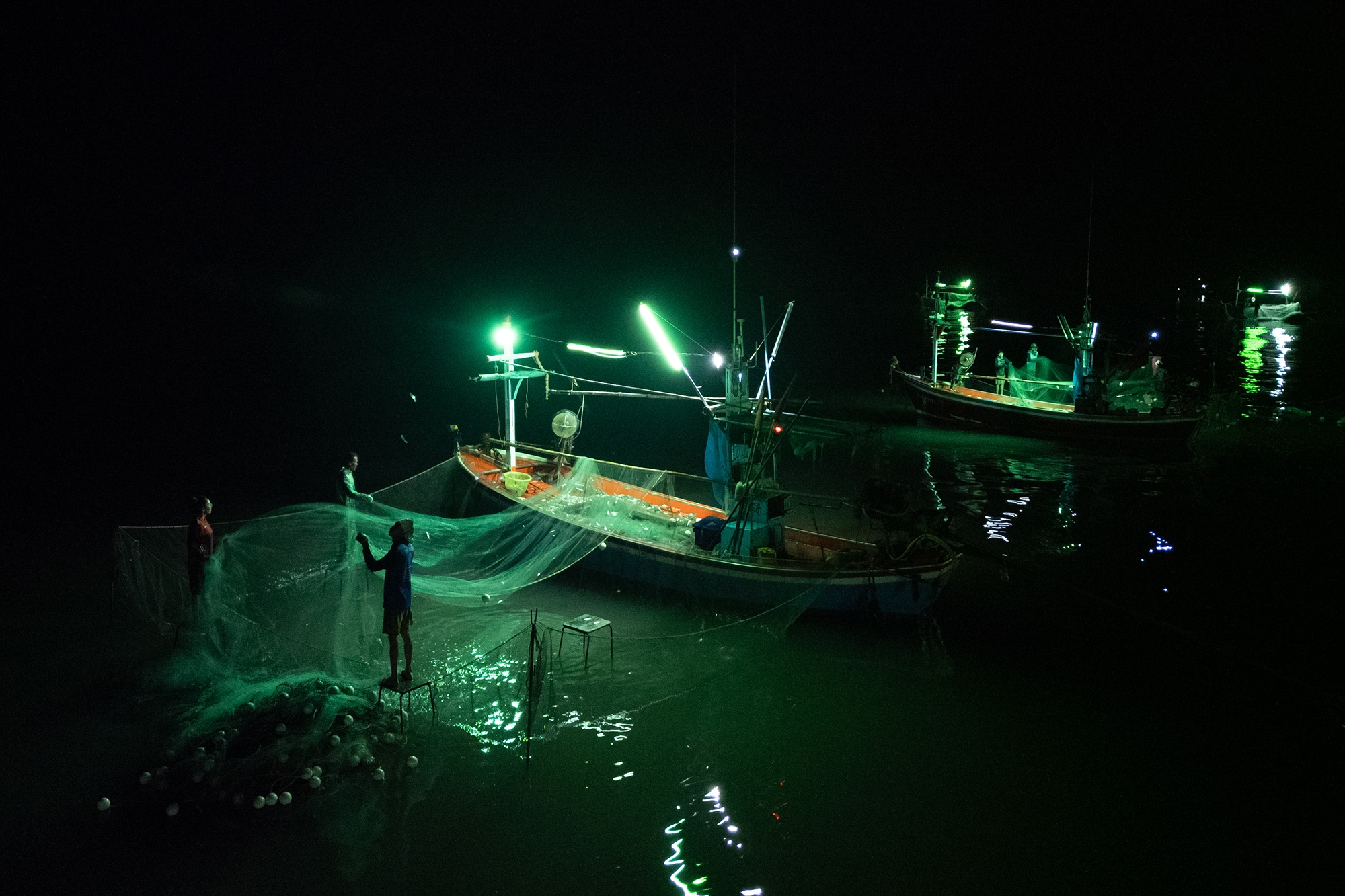
The seas of SE Asia, some of the richest in biodiversity in the world, have long been in decline. Fish stocks have declined between 70-95 percent since the 1950s. Approximately half of the world’s global marine fish catch comes from the seas of Southeast Asia. The region and its fishing industry stands at the cross roads of intertwining issues: forced and coerced labor, geopolitical factors, and immense environmental degradation. At the heart of the issue is unchecked demand for seafood, and the lawlessness on the high seas that enables rampant illegal, unreported, and unregulated fishing.
Bio
Nicole Tung is a freelance photojournalist, born in Hong Kong. She graduated from New York University in 2009, and freelances for international publications and NGOs, primarily covering the Middle East region.
Her work often explores those most affected by conflict and the consequences of war. Nicole is the 2025 recipient of the Philip Jones Griffiths Award and a finalist for the 2025 Pulitzer Prize in Breaking News Photography as part of a team for her work in Ukraine for The New York Times. She is also the 2025 laureate for Fondation Carmignac’s project on overfishing in SE Asia.
Awards
World Press Photo 2026
Carmignac Photojournalism Award 2025
Philip Jones Griffiths Award 2025
Finalist Pulitzer Prize for Breaking News 2025
Anja Niedringhaus Courage in Photojournalism Honorable Mention 2025