Surviving The System
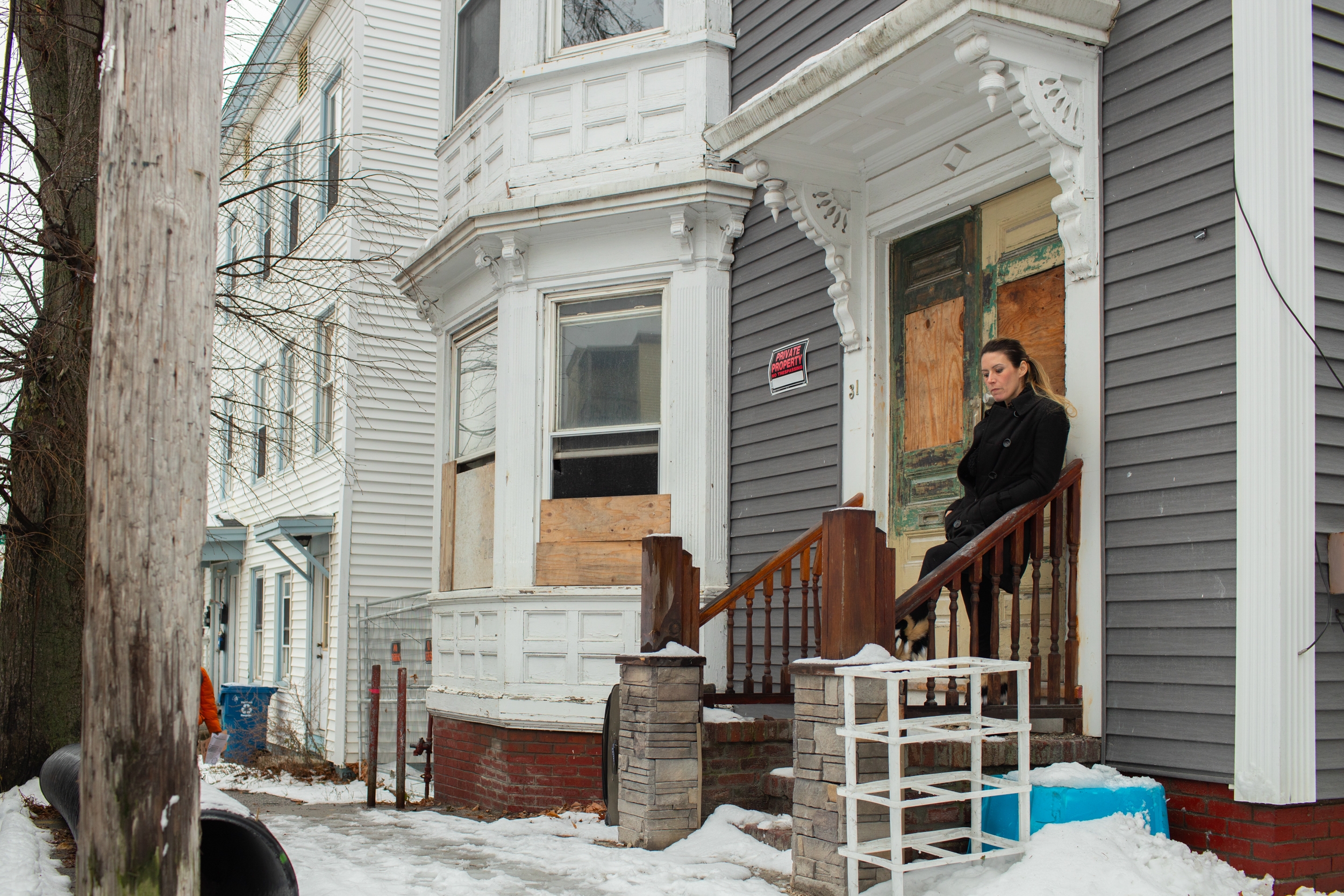
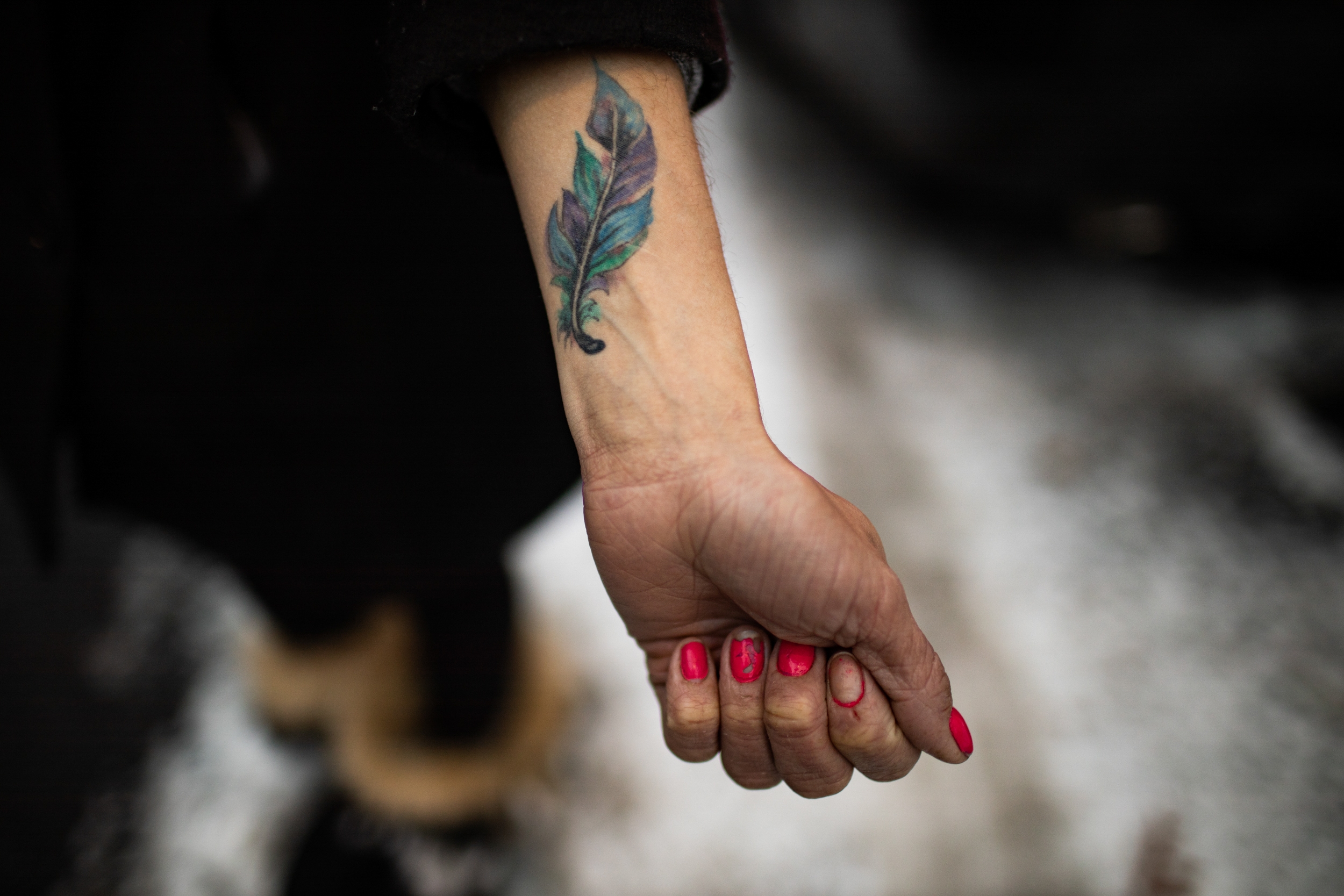
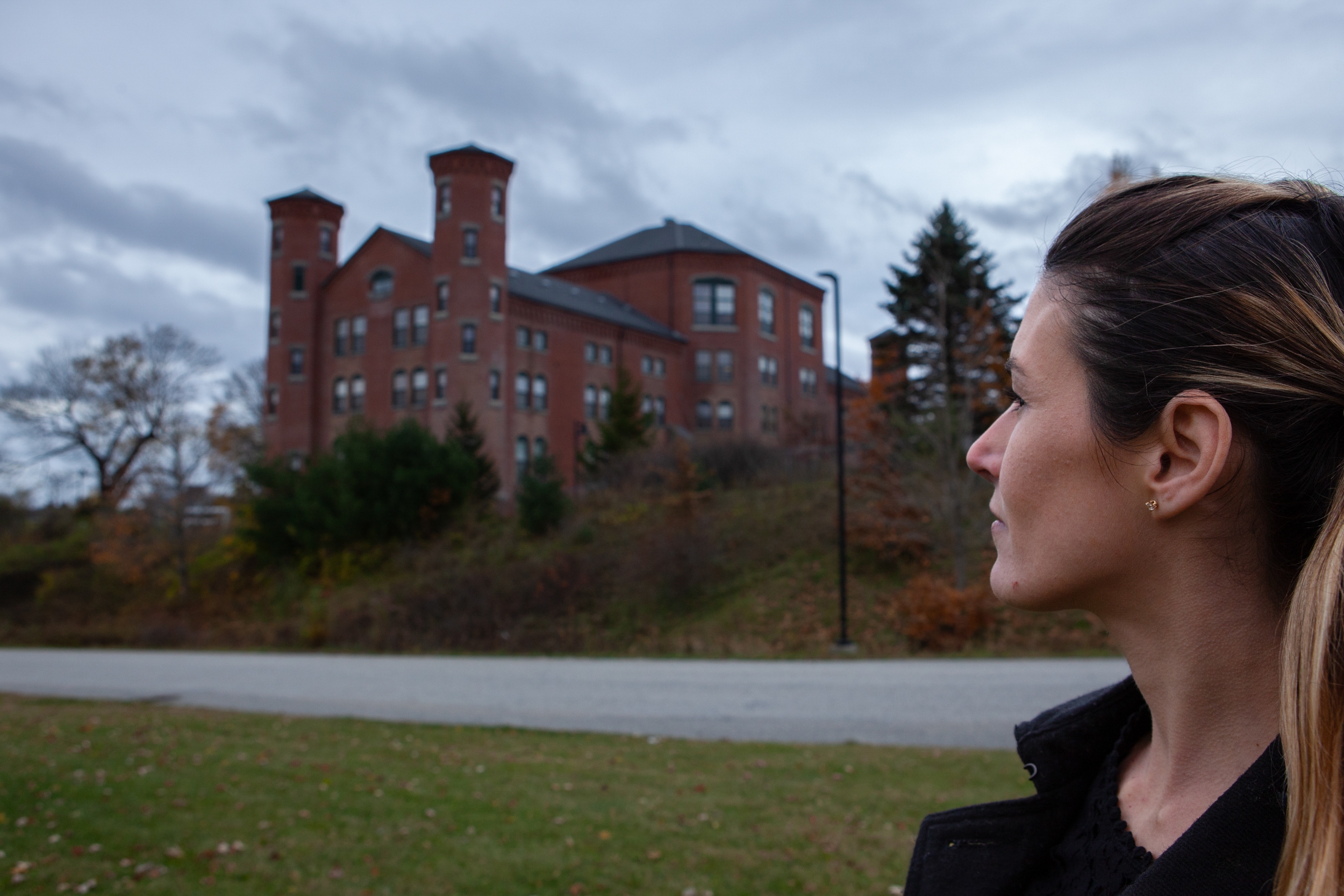
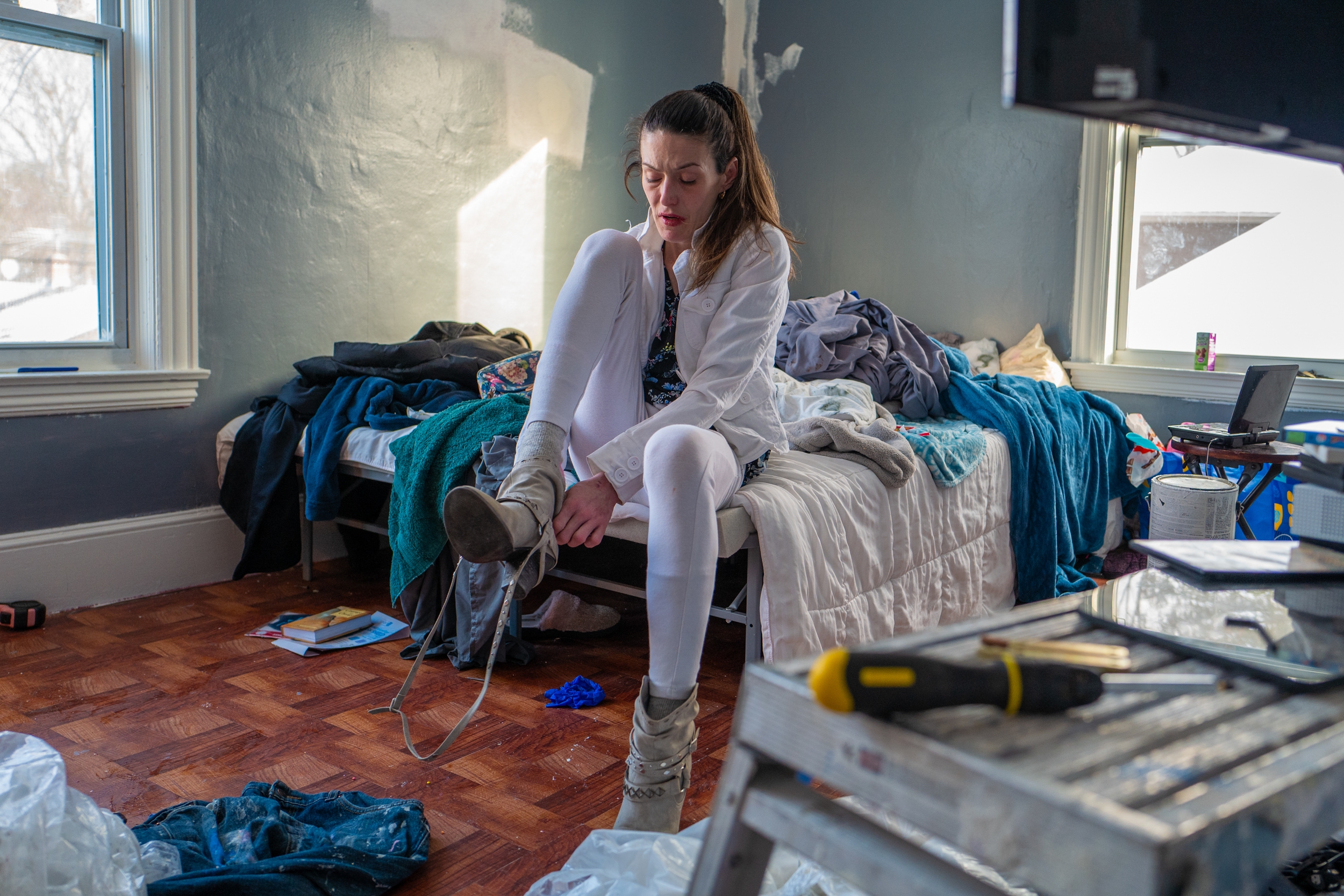
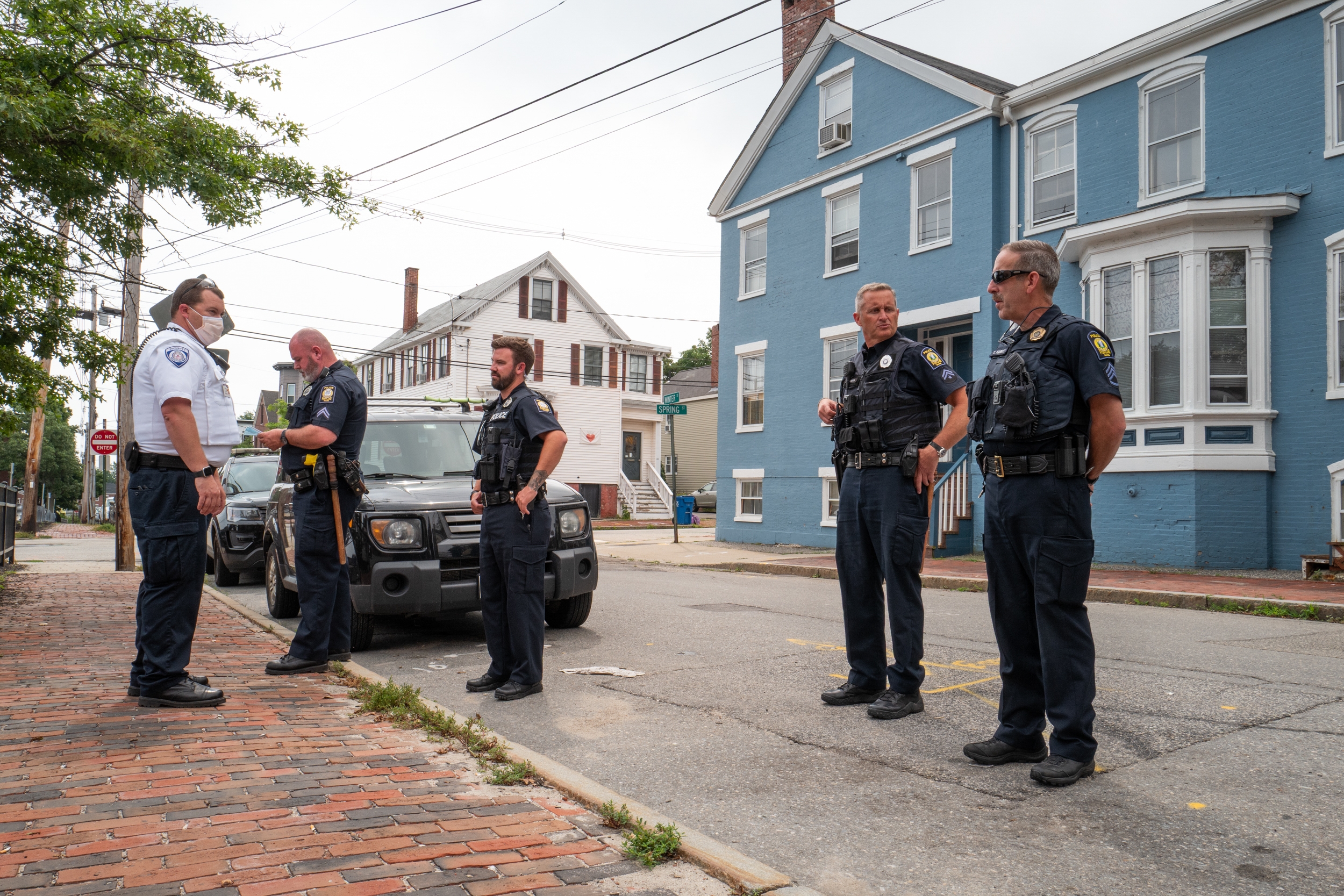
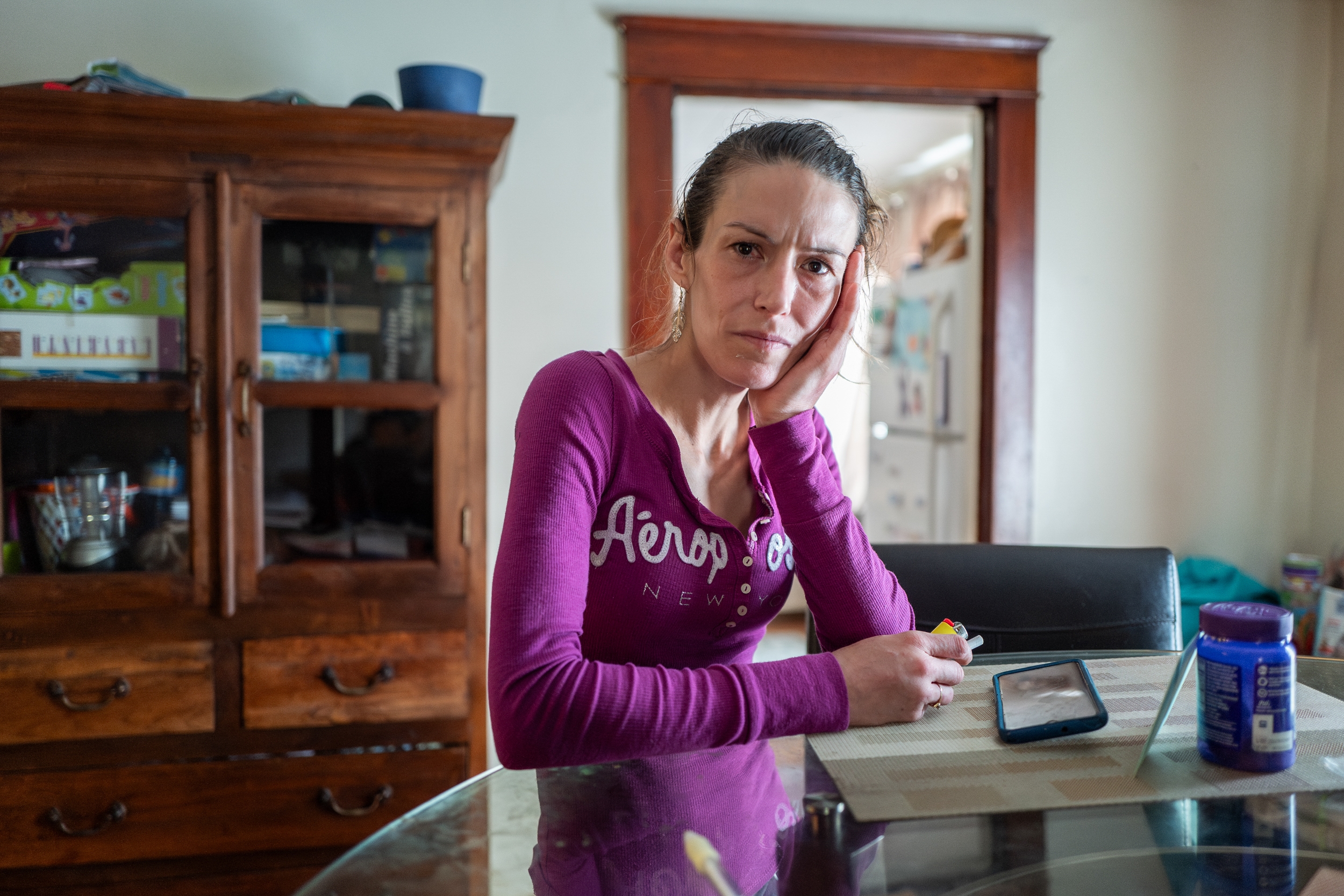
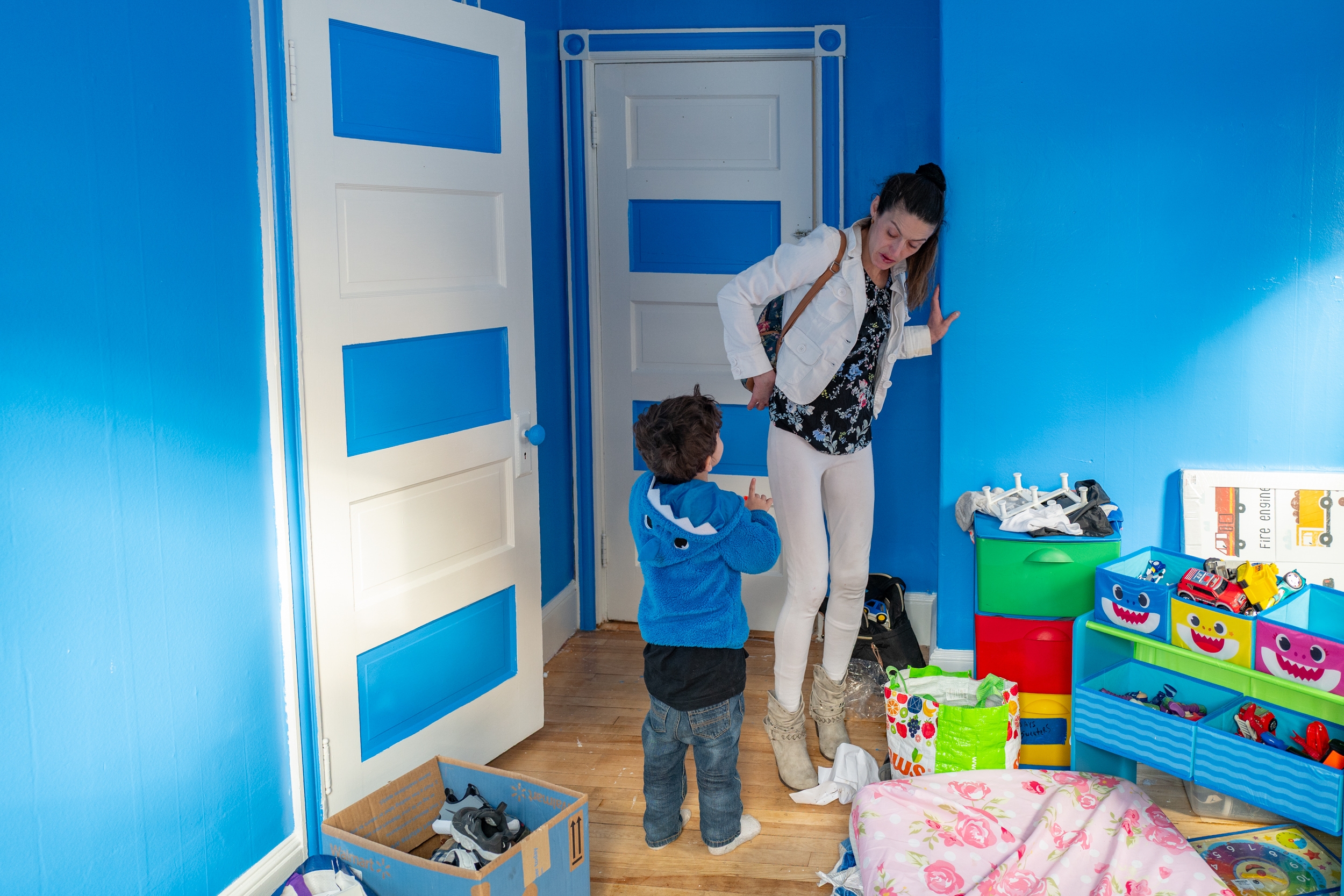
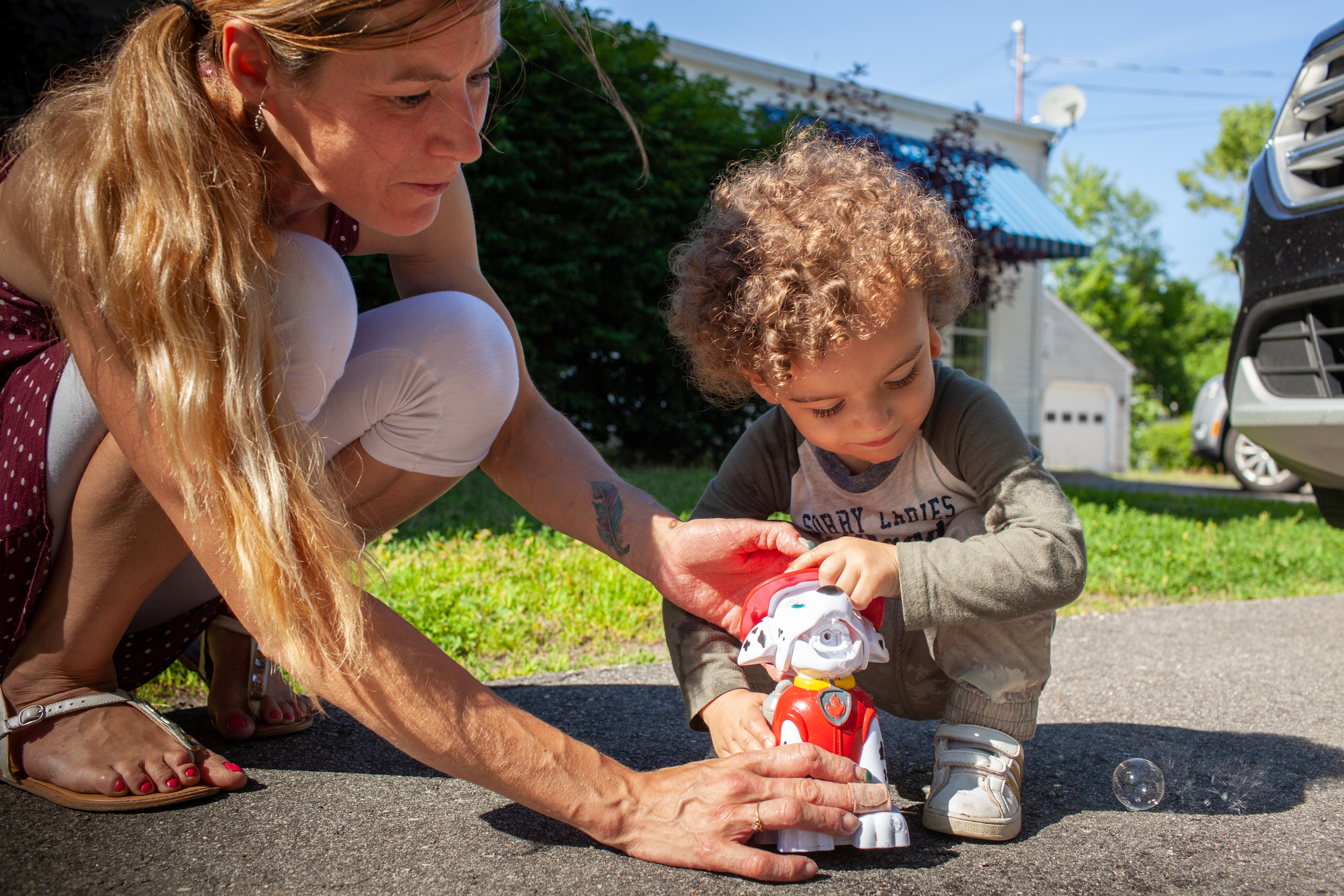
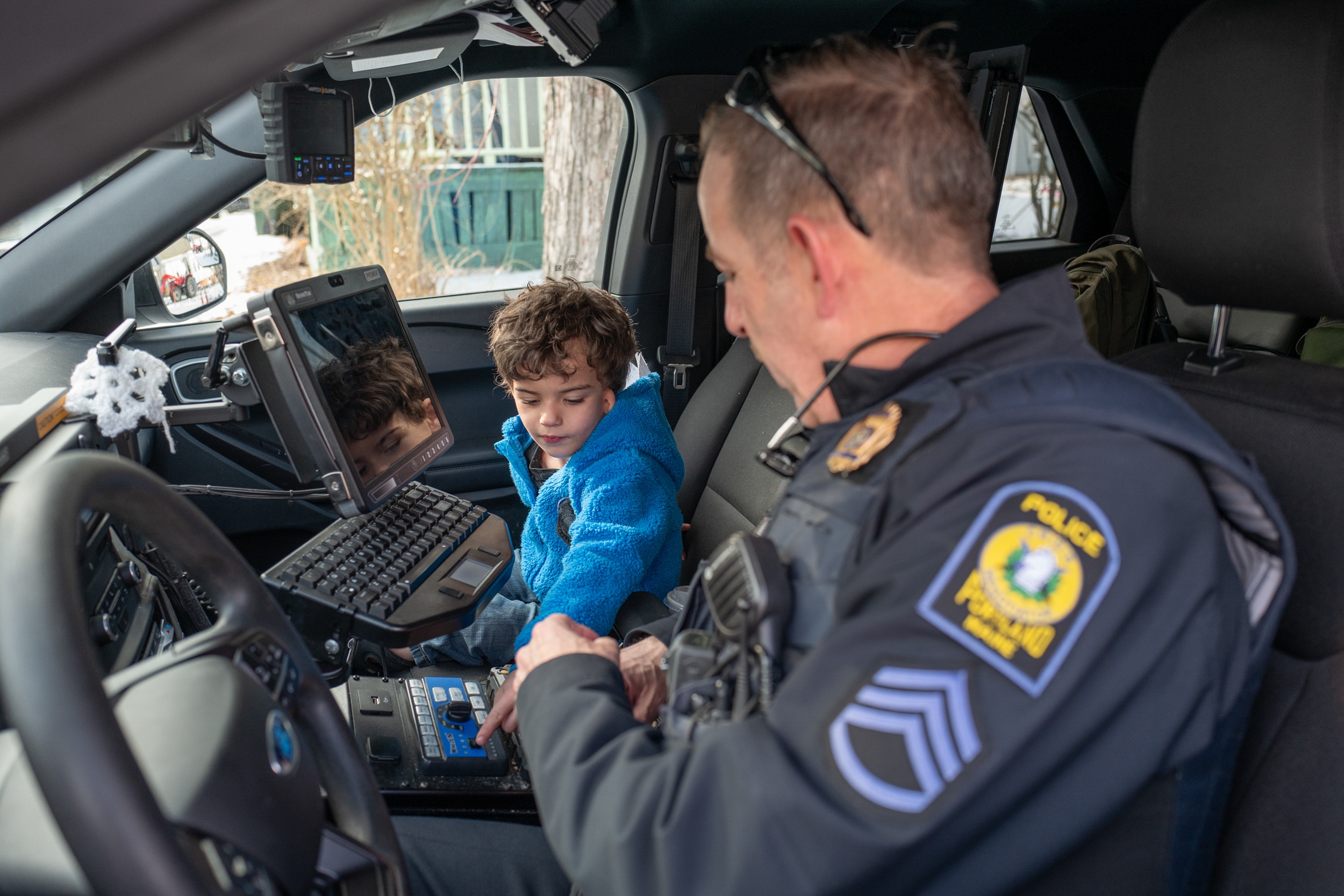
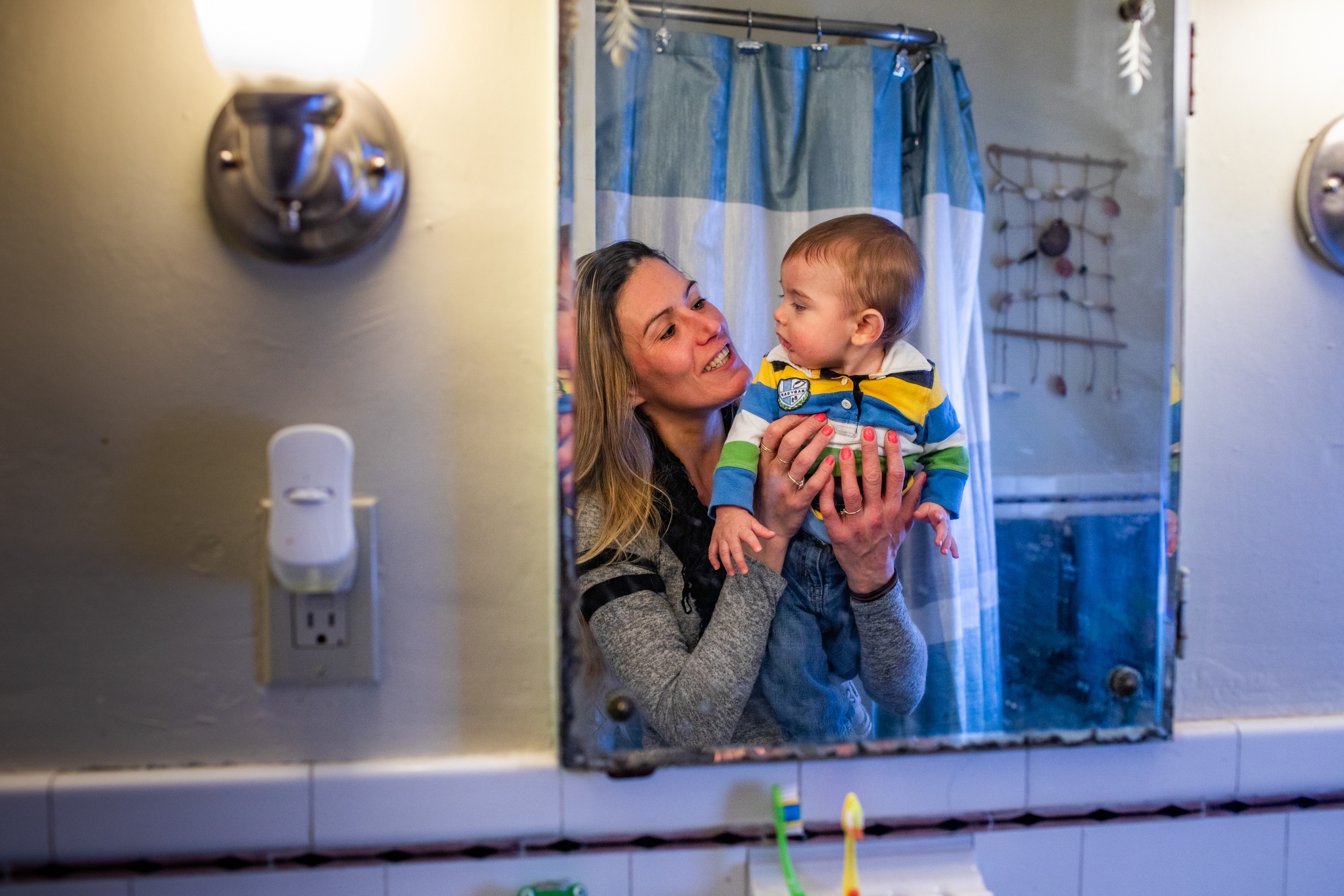
This six-year photo story, made in Maine, follows one woman’s long journey out of sex trafficking and toward survival. It reveals how broken systems allow exploitation to persist—poverty, isolation, childhood trauma, addiction, and gaps in social services that leave individuals vulnerable to coercion and control. Cary’s experience reflects broader struggles tied to domestic violence, foster care, and housing insecurity. Set against Maine’s opioid crisis and geographic isolation, it exposes a hidden trafficking corridor and challenges the assumption that trafficking happens only elsewhere.
Bio
Matilde Simas is an Azorean photojournalist whose work confronts human rights violations through an artistic lens rooted in empathy, ethics, and collaboration.
Her practice focuses on gender-based violence, human trafficking, and the lived experiences of marginalized communities. Through powerful imagery and trauma-informed storytelling, she amplifies survivor voices and brings attention to global issues often rendered invisible. Her photography has supported awareness campaigns, policy discussions, and grassroots efforts in Africa, Asia, and the U.S.
Awards
Matilde Simas's work has been featured by the United Nations, honored by the PX3 Prix de la Photographie Paris and the International Photography Awards, and exhibited internationally—from the Museo Nazionale Etrusco di Villa Giulia in Rome to the Kenyan National Archives and during Paris Photo Week. She has spoken at photography festivals such as the Photo Israel Festival and delivered keynotes at forums including a UNICEF event on child protection.