

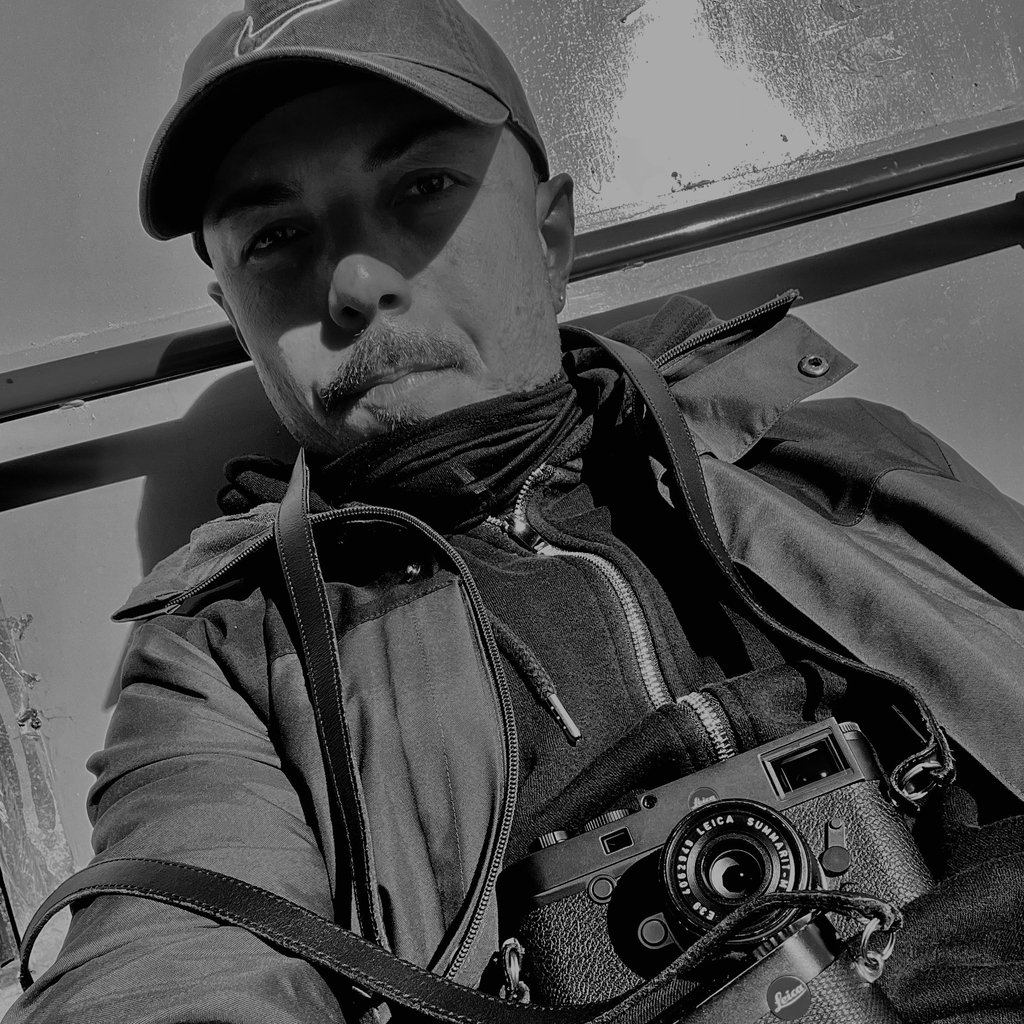
Q: How have your personal experiences, background, or perspective shaped the way you see and photograph the world around you?
The way I see and photograph the world is deeply rooted in my personal experience and in the place where I grew up: Naples and its outskirts. As a teenager, looking out of the window of my father’s old Fiat Panda, I used to observe the large buildings in the eastern outskirts of the city and wonder what life was like for the people who lived there, and whether they faced the same difficulties as my family. Over time, that curiosity became a photographic way of seeing.
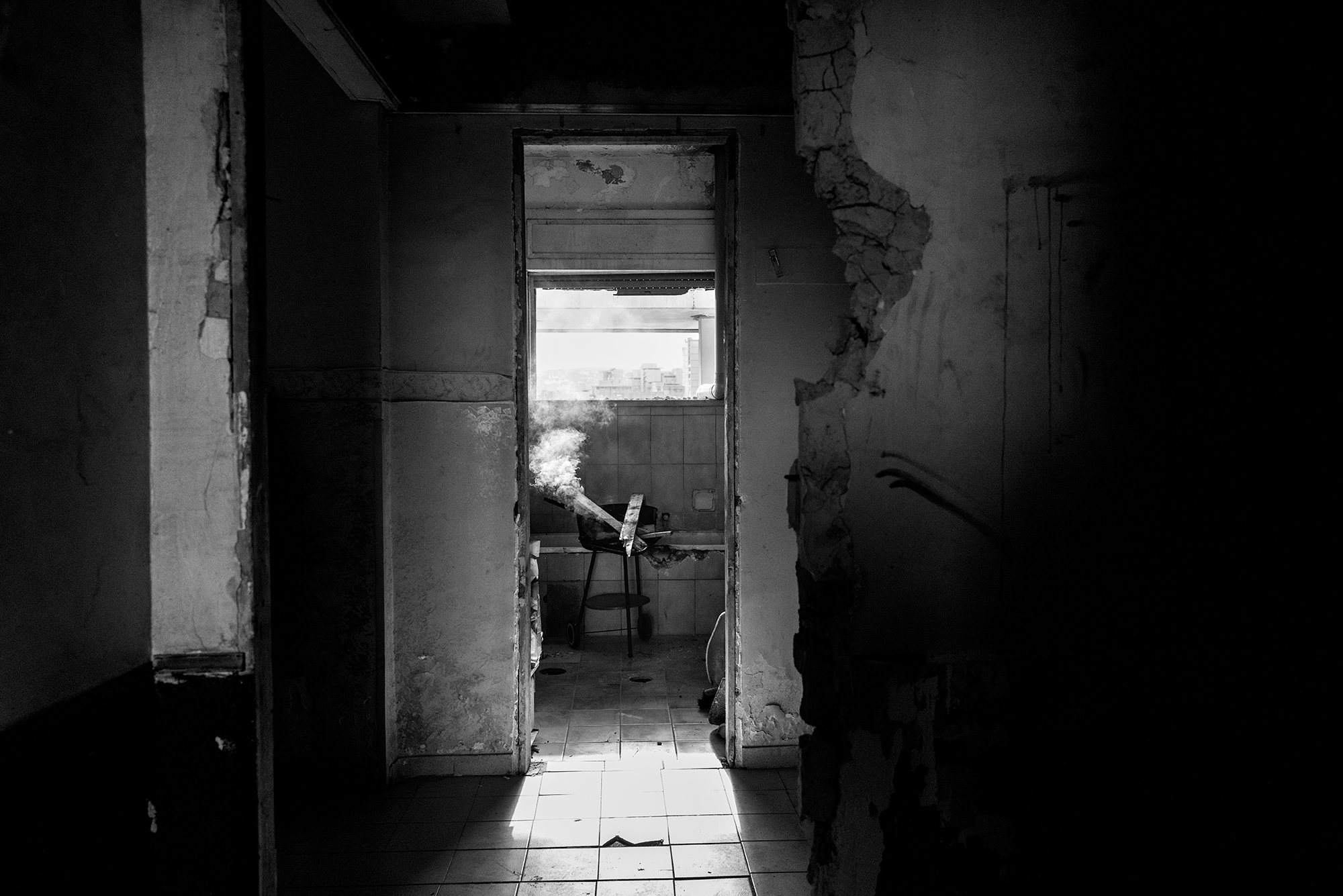
Since 2012, I have been documenting the transformation of Naples’ peripheral areas, including the traces left by the migration of people displaced by the 1980 Irpinia earthquake. Growing up in these places taught me not to observe them from the outside, but to try to understand them through the people who live there and their stories. My photography therefore stems from memory, experience, and the desire to tell stories that often remain unseen, searching for complexity and humanity even in the most challenging environments.
Q: What drew you to enter the PhotoJournalism Prize, and what did it mean to you to have your work recognized by PJP?
What motivated me to enter the PhotoJournalism Prize was, above all, the desire to share a project rooted in a personal story and in my deep connection to Naples and its peripheral areas. I have been working on this project since 2012, and over time it has become a way for me to understand and document the transformations taking place in these territories and the lives of the people who inhabit them.
Having my work recognized by PJP was deeply meaningful to me because it gave value to a long and often quiet journey, built through years of research, presence, and relationships with the communities I photograph. It was particularly significant to see that a story so closely tied to a specific place could reach a wider audience and resonate with people beyond that context.
More than an end in itself, I see this recognition as an encouragement to continue my work with the same curiosity, seeking to document realities that often remain unseen and, through photography, to preserve a memory of the places and people I encounter.
Q: Could you take us behind the scenes of your winning series? What story or message did you hope to communicate?
Behind this series is a project that began many years ago, driven by a personal need to better understand the places where I grew up and the people who live there. I did not want to portray the outskirts of Naples simply through their difficulties or most problematic aspects, but rather to convey their complexity and humanity.
The project also stems from my own memories and from the questions I used to ask myself as a child, looking out of my father’s car window at the large buildings on the outskirts of the city. I wondered who lived there, what their stories were, and whether their experiences were in some way similar to my own.
Through photography, I have tried to turn those questions into a visual narrative. My aim was to show the consequences of social and territorial transformations, while also giving space to everyday life, human relationships, and people’s dignity. I wanted these images to be more than a record of reality: I wanted them to encourage viewers to look at these places without prejudice and to recognize what often remains unseen.
Q: What do you believe photography can contribute to conversations around global social and environmental challenges? Can a single image genuinely change the way people see an issue?
I believe photography has the power to make visible realities that often remain distant or difficult to understand. When it comes to complex social and environmental issues, an image can create an immediate connection with the viewer, transforming an abstract problem into something tangible and human.
I don’t believe that a single photograph can change the world on its own, but it can certainly change the way someone sees a particular reality. It can raise a question, create empathy, challenge a prejudice, or encourage someone to look deeper into an issue.
For me, the value of documentary photography lies precisely in its ability to open a door. It does not necessarily have to provide answers, but it can invite us to look longer and more carefully. In an age when we are constantly overwhelmed by images and information, I believe it is more important than ever to create photographs capable of stopping the viewer’s gaze and leaving a lasting impression in their memory.
Q: What continues to drive you as a photographer, and what would you like to challenge yourself with or explore next in your creative journey?
What continues to motivate me as a photographer is, above all, curiosity: the curiosity to discover people, places, and realities I do not yet know, and the desire to understand what lies beneath the surface. For me, photography is still, first and foremost, a tool for research and discovery.
I would like to continue working on long-term projects, dedicating time to the places and people I photograph. I am interested in exploring new realities, including those beyond Naples, while maintaining the same approach: building relationships with communities, listening to their stories, and trying to tell them with a personal yet respectful perspective.
One of the challenges I would like to embrace is finding new languages and approaches within documentary photography, experimenting with narrative forms that go beyond the single image. I want to continue questioning how we can tell the story of the social and environmental transformations of our time, looking for stories that can move beyond the news cycle and remain in the viewer’s memory.