

Q: How have your personal experiences, background, or perspective shaped the way you see and photograph the world around you?
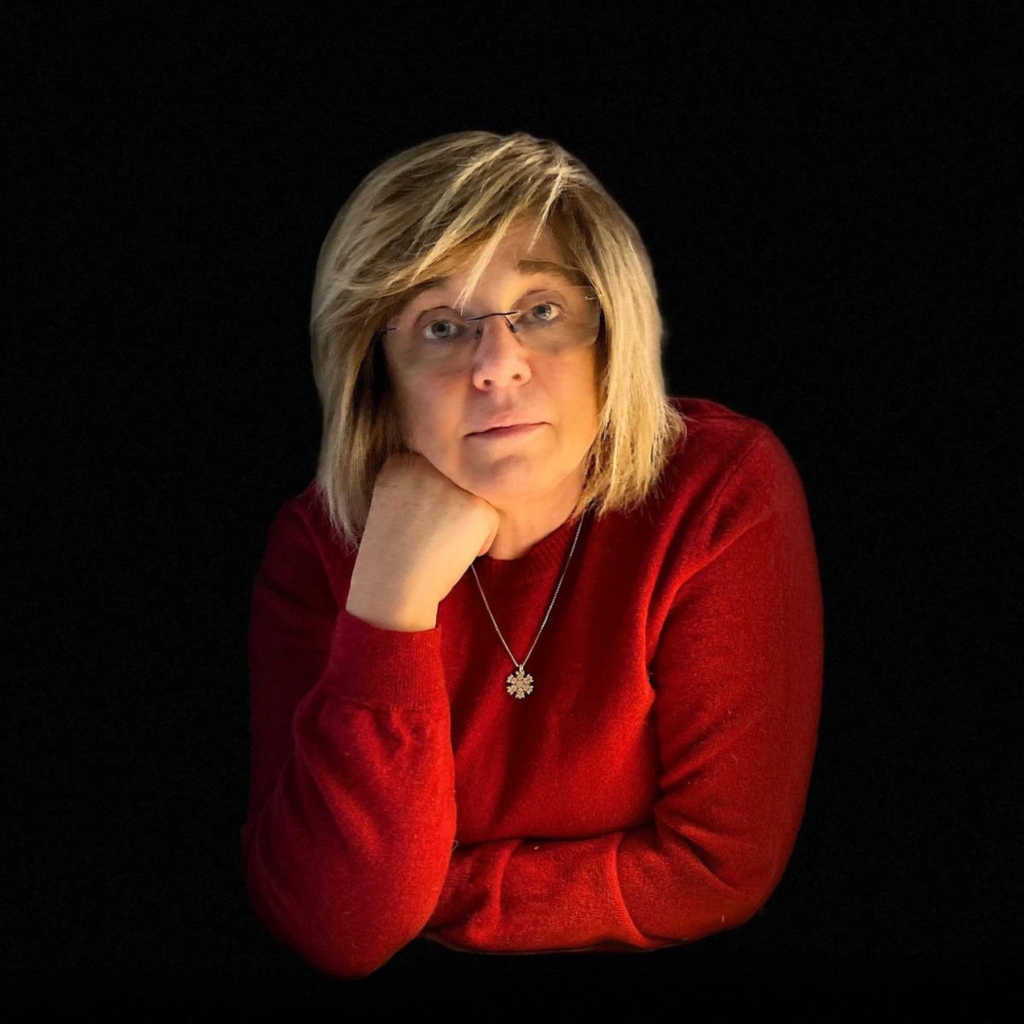
My photography stems from a need to connect with people and listen to their stories, before broadening my gaze to the landscape and the environment, ultimately reaching the exploration of the cosmos and human presence in space. I like to immerse myself in the realities I photograph, building a bond of trust and empathy with who and what is in front of my lens. My background and experiences have taught me to look at the world with curiosity, seeking beauty and authenticity especially within vulnerability, the details of everyday life, and the delicate relationship between humanity and the environment—both on Earth and across new space frontiers.
Q: What drew you to enter the PhotoJournalism Prize, and what did it mean to you to have your work recognized by PJP?
Having my work recognized by PJP means a lot to me. It is a powerful validation of the time, dedication, and empathy I invest in my long-term projects. This recognition not only shines a vital spotlight on the stories and environmental or human issues I document, but it also gives me the strength and motivation to keep pushing boundaries, exploring new frontiers, and amplifying voices that need to be heard.
Q: Could you take us behind the scenes of your winning series? What story or message did you hope to communicate?
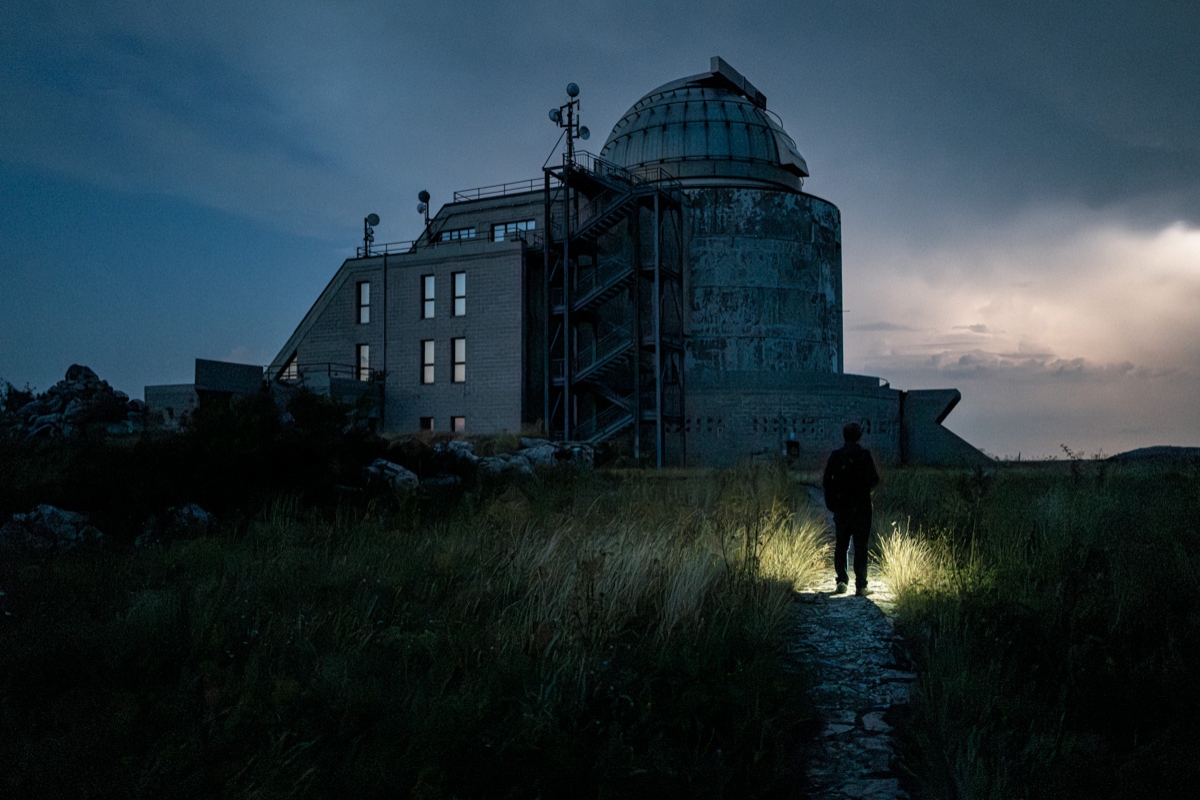
With this series, I am keen to communicate a crucial message: near-Earth orbit is no longer an untouchable void, but a fragile extension of our environment that we are actively cluttering. Just like we are facing ecological crises on Earth, we are creating an invisible environmental crisis in space that threatens future explorations and essential modern infrastructures. My goal is to shift the narrative away from space as a mere territory to conquer, and instead highlight the urgent need to protect it as a shared global resource.
Q: What do you believe photography can contribute to conversations around global social and environmental challenges? Can a single image genuinely change the way people see an issue?
I firmly believe in photojournalism, and a single image is a testimony that cannot be ignored. It has the power to condense an entire, complex reality into a single frame, stripping away the noise to expose the raw truth. A photograph on its own might not change laws, but it becomes a historical document that disrupts indifference and forces the world to look.
Q: What continues to drive you as a photographer, and what would you like to challenge yourself with or explore next in your creative journey?
What drives me to photograph is a curiosity about human beings and their stories. My next challenge is to push reportage beyond Earth, exploring the near future of humanity in space. I want to document the ethical and environmental challenges of this new era, bringing empathy and documentary photography to a world that seems like cold technology.