

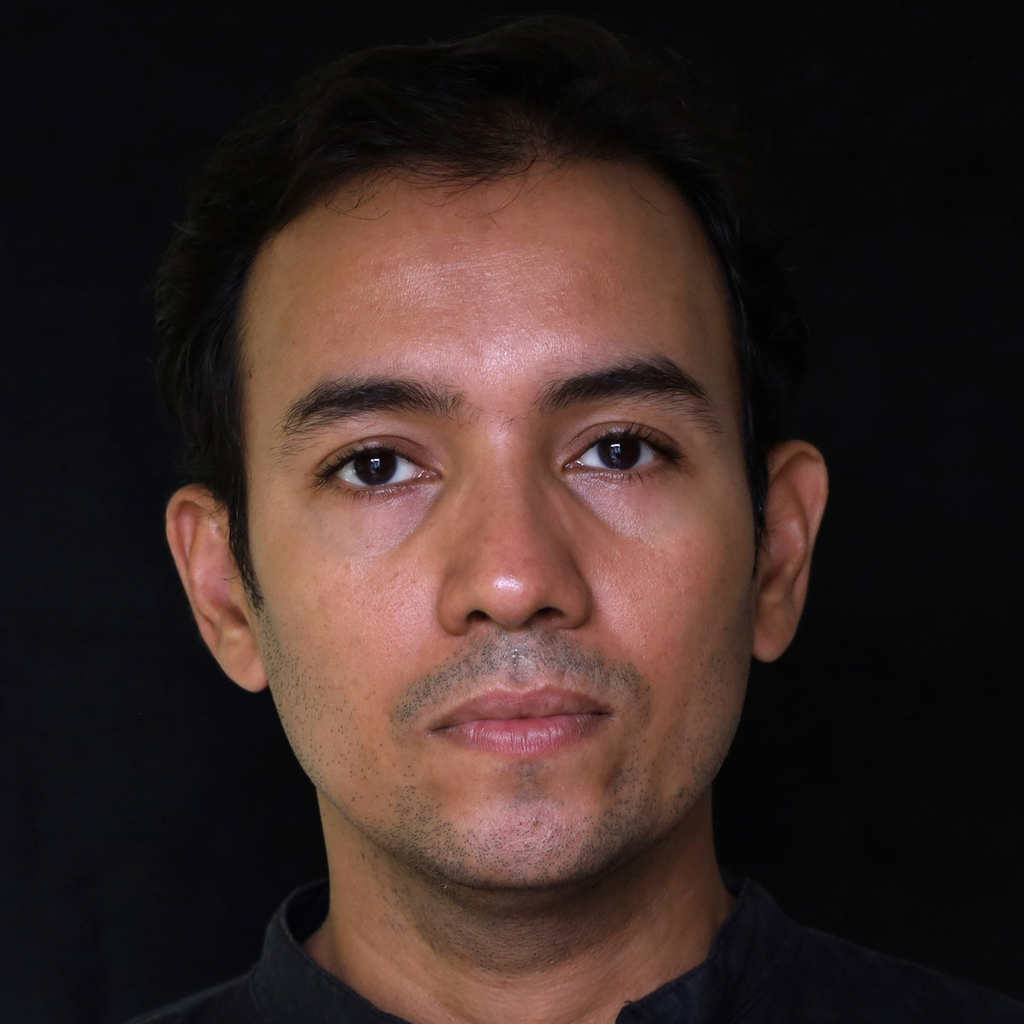
Syed Mahabubul Kader
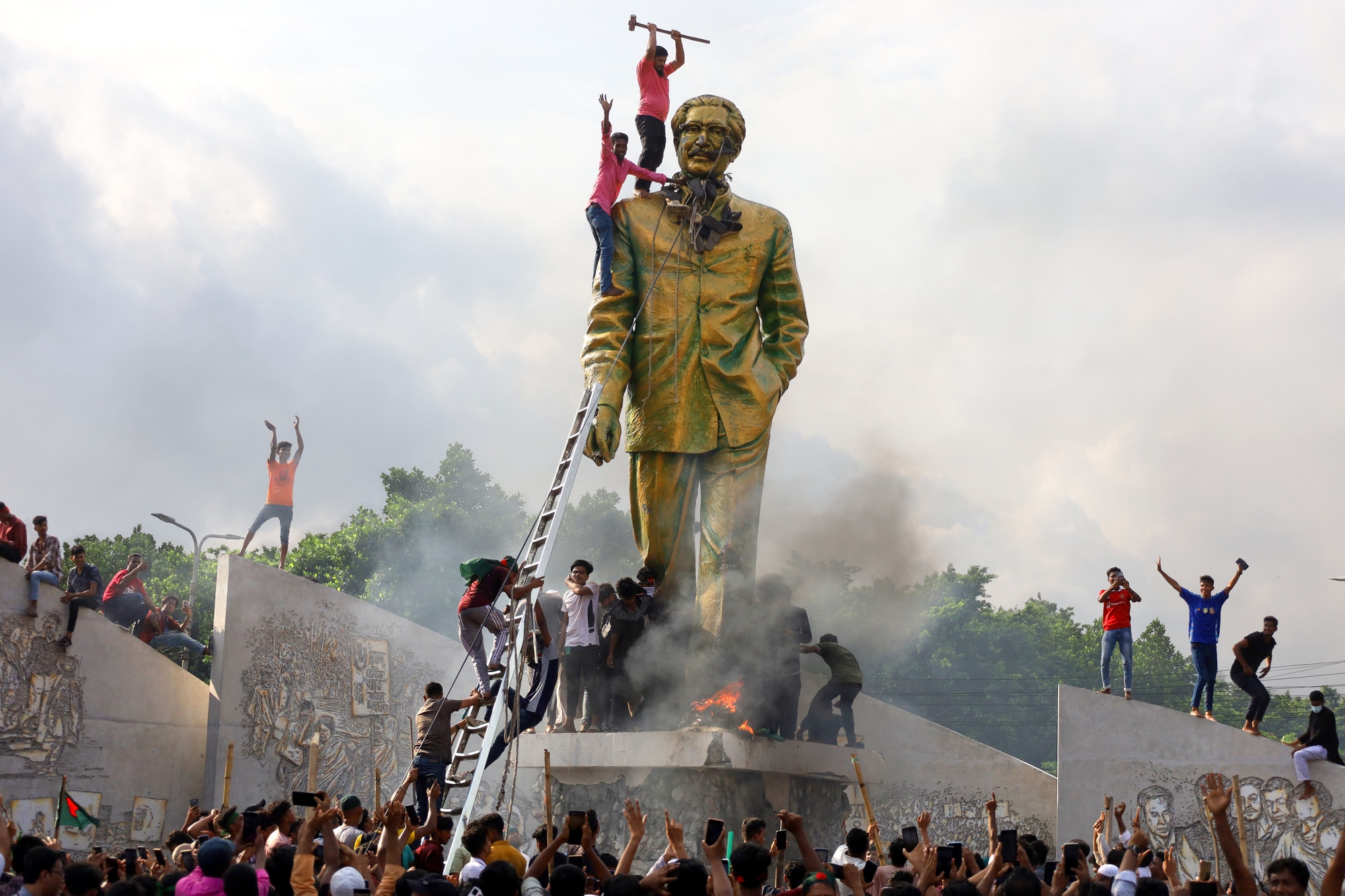
Generation Z Revolution In Bangladesh
PJP 2026 JURY AWARD WINNER & News Category Winner
Q: Could you tell us a bit about yourself, your background, and your journey as a photographer?
My name is Syed Mahabubul Kader. I was born and raised in Dhaka, the capital of Bangladesh. In the beginning, most of my work was focused on Dhaka, but over time, the whole of Bangladesh has become my field of work.
I love travelling, and taking photographs is also something I enjoy. At one point in my life, I wanted to do something that would allow me to live with joy, breathe freely, and feel alive in every moment.
That was what led me to choose photography.
Q: What first inspired you to pursue documentary photography, and how has your personal background influenced the stories you choose to tell?
In 1995, there was a World Press Photo exhibition in Dhaka. I was only ten years old at the time. My uncle took me to see the exhibition. Among the photographs on display was a photograph taken by James Nachtwey during the Rwandan genocide, which had been selected as the 1994 World Press Photo of the Year.
The photograph deeply affected me. At that age, I probably did not have enough understanding to fully comprehend the context behind it, but the image left a deep impression on me.
Looking back, I think that exhibition was probably my biggest inspiration in developing my love for photography.
Q: Your winning series, “Generation Z Revolution In Bangladesh,” captures a historic moment of social and political change. What initially drew you to document this movement, and what did you want viewers around the world to understand about what was happening?
When I first went to document the movement in early July 2024, it was essentially a peaceful student movement demanding reform of the quota system in government jobs. I first went to photograph the movement on July 4. At that time, students from different public universities across Bangladesh were peacefully protesting on their campuses and in the streets. I went there mainly to photograph the quota movement.
I returned to the protests on July 6 and 7. Each day, I saw more and more people joining the movement, while at the same time, police restrictions were increasing. But on July 14, the situation quickly became more tense following a statement by the then Prime Minister Sheikh Hasina. On July 15, students protesting at Dhaka University were attacked by members of Bangladesh Chhatra League, the student wing of the ruling party, and anger spread across the country. The following day, on July 16, Abu Sayed, a student of Begum Rokeya University in Rangpur, was killed by police gunfire. His death fundamentally changed the course of the movement. From that point, it was no longer limited to the demand for quota reform; it gradually turned into a much broader mass movement.
As violence and repression against students and protesters intensified, I could not step away from it as a photographer. Violence against protesters, shootings, injured people, arrests, followed later by an internet shutdown and curfew, all of this was turning into one of the most important and frightening chapters in Bangladesh’s history. I wanted my photographs to document the reality of that time, the violence inflicted on people, and their resistance, and to bring that story to people around the world.
But working during that period was extremely difficult for me. Journalists were no longer safe in the eyes of any side of the movement. There was distrust everywhere. I saw many photojournalists I knew being shot, and I also saw them being attacked by Bangladesh Chhatra League members, police, and even protesters. There were many places where, because of the situation, I didn’t even have the courage to take my camera out. I was questioned by different groups along the way, and my bag and even my mobile phone were searched. I had to continue working while living with a constant sense of fear.
That fear was not limited to me or to the people on the streets; it quickly reached homes across the country. In my view, the quota movement gradually became a movement for people’s freedom. People came out onto the streets to protect themselves and their country from an authoritarian ruler.
I also saw women and girls living around the protest areas bringing food and water to protesters despite the risks to their own safety. They were also afraid of being harassed by ruling-party activists or the police. Yet they continued to help. These moments were very important to me because they showed that the movement was no longer just a movement of students on the streets; it had gradually become a movement embraced by ordinary people themselves.
Through my photographs, I wanted people around the world to see not only the clashes and violence, but also to feel the fear, courage, solidarity, and desire for change that people experienced during that time.
Q: In your view, what role does photography play in preserving history and giving visibility to moments of social change that might otherwise be forgotten?
To me, photography is a visual record of history. People’s memories, or the interpretation of an event, can change or fade over time, but a photograph preserves a moment that will never return.
Especially during periods of social change or revolution, a photograph does more than record what happened; it also creates a visual record of the lives, emotions, and experiences of the people who lived through that time. Much of history can eventually disappear from people’s memories, but a still photograph can reconnect future generations with the reality of the past.
That is why, to me, a photographer’s role is not only to document the present, but also to leave behind a visual record for the future.
Q: What does winning the Jury Award Winner title at the PhotoJournalism Prize 2026 mean to you, and how do you hope this recognition will support the continued impact of this story?
Winning the Jury Award at the PhotoJournalism Prize 2026 is a great honor for me. “Generation Z Revolution in Bangladesh” was made during an extremely difficult and historic period. While working on this project, I was far more mentally devastated than I was physically exhausted—seeing so much blood, death, brutality, and uncertainty unfold before my eyes. Even two years later, I still carry the trauma of that time.
At that time, it felt less like a responsibility to me and more like an obligation. I knew that much of what I was witnessing might eventually be forgotten, or that the interpretation of these events might change over time. That is why documenting what I was seeing through photography was personally very important to me.
That is why this recognition is deeply meaningful to me. This recognition has not only honoured me as a photographer, but has also created an opportunity for these photographs and this story to reach more people.I hope that through PJP’s recognition, exhibitions, and platform, more people outside Bangladesh will have the opportunity to see these photographs and gain a deeper understanding of the fear, courage, anger, and desire for change experienced by people during that time. For me, that is what the continued impact of this project is ultimately about.